


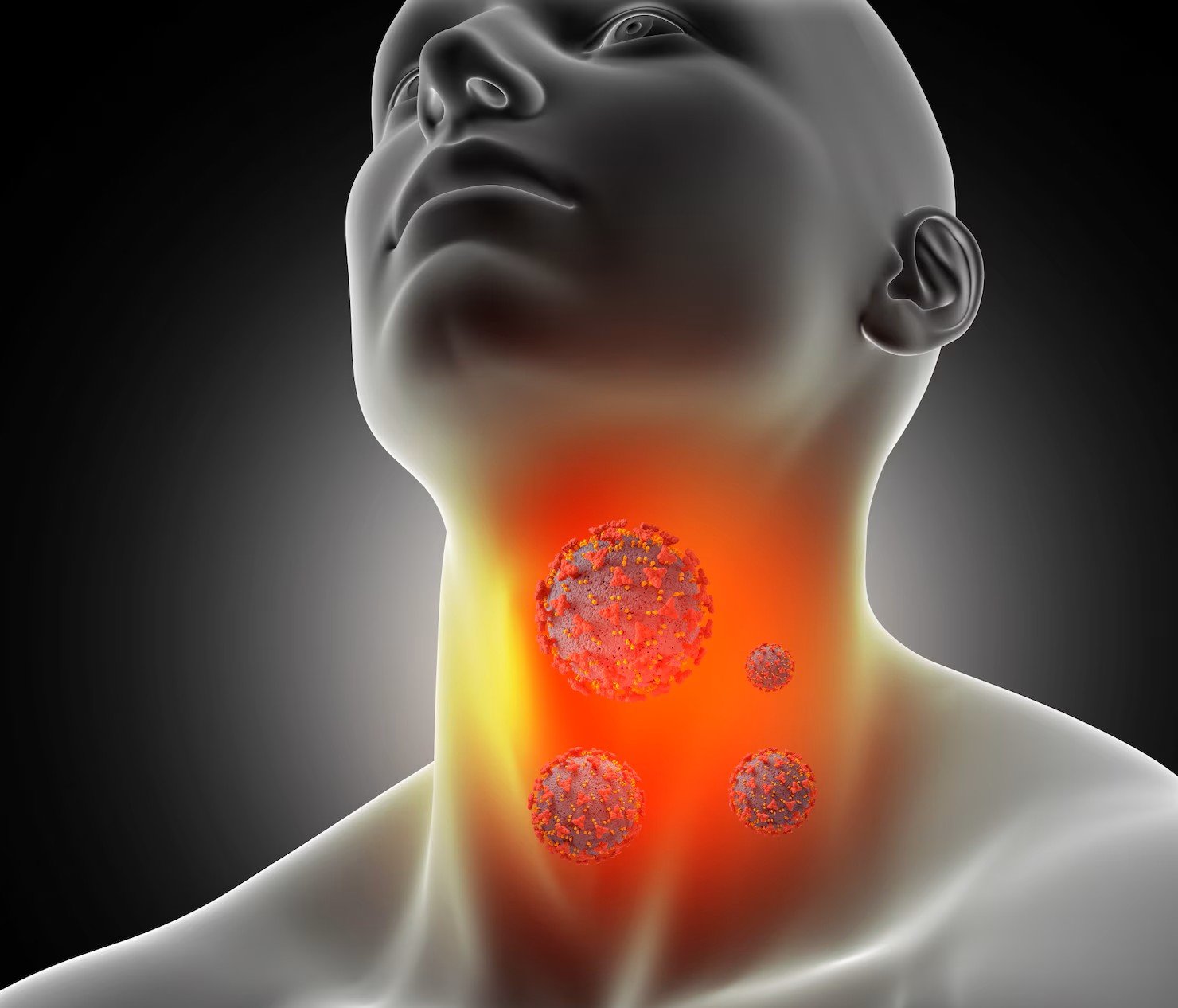
Throat cancer is a general term that refers to malignant tumors that develop in the throat, voice box (larynx), or tonsils. It is a serious condition that can affect breathing, swallowing, and speech. Early detection and awareness of the various types of throat cancer are critical for effective treatment. For a comprehensive introduction to this disease, including symptoms, risk factors, and diagnostic methods, check out this guide on types of throat cancer.
Throat cancer is not a single disease but a collection of cancers that develop in different parts of the throat. Understanding these types helps patients, caregivers, and healthcare providers choose the most appropriate treatment and improve patient outcomes.
Overview of Throat Cancer
Throat cancer primarily develops in the mucous membranes lining the throat and voice box. While it can affect anyone, risk factors such as tobacco use, alcohol consumption, viral infections (like HPV), and exposure to harmful chemicals increase the likelihood of developing the disease.
The main categories of throat cancer include:
- Nasopharyngeal cancer: Affects the upper part of the throat behind the nose
- Oropharyngeal cancer: Involves the middle part of the throat, including tonsils and back of the tongue
- Hypopharyngeal cancer: Occurs in the lower part of the throat
- Laryngeal cancer: Affects the voice box, which is responsible for producing sound
Each type has unique symptoms, risk factors, and treatment approaches.
Who Is Most at Risk?
While throat cancer can affect anyone, certain groups are at a higher risk due to lifestyle and environmental factors. Individuals who smoke or use tobacco products, consume excessive alcohol, or have a history of human papillomavirus (HPV) infection are more likely to develop throat cancer.
Age also plays a role, with most cases occurring in people over 50. Additionally, prolonged exposure to harmful chemicals or a family history of cancer may increase susceptibility. Understanding these risk factors can help individuals take preventive steps and seek early medical advice if symptoms arise.
Nasopharyngeal Cancer
Nasopharyngeal cancer develops in the nasopharynx, located behind the nose and above the back of the throat.
Risk Factors
- Epstein-Barr virus (EBV) infection
- Family history of nasopharyngeal cancer
- Diets high in salted or preserved foods
Symptoms
- Persistent nasal congestion or obstruction
- Nosebleeds
- Hearing loss or ringing in the ears
- Swelling in the neck due to lymph node involvement
Treatment
Treatment often involves radiation therapy, sometimes combined with chemotherapy, depending on the stage and spread of the tumor.
Oropharyngeal Cancer
Oropharyngeal cancer affects the middle portion of the throat, including the tonsils, soft palate, and back of the tongue.
Risk Factors
- Human papillomavirus (HPV) infection
- Tobacco and alcohol use
Symptoms
- Persistent sore throat or difficulty swallowing
- Ear pain
- Swollen lymph nodes
- Changes in voice
Treatment
Surgery, radiation therapy, and chemotherapy may all be used depending on tumor size and location. HPV-related oropharyngeal cancers often respond well to treatment.
Hypopharyngeal Cancer
Hypopharyngeal cancer develops in the lower part of the throat, near the larynx and esophagus.
Risk Factors
- Tobacco and alcohol use
- Age over 50
- Exposure to certain chemicals
Symptoms
- Difficulty swallowing
- Hoarseness or voice changes
- Persistent sore throat
- Unintentional weight loss
Treatment
Hypopharyngeal cancer often requires a combination of surgery, radiation, and chemotherapy. Early detection improves prognosis significantly.
Laryngeal Cancer
Laryngeal cancer affects the voice box and can impact speech and breathing.
Risk Factors
- Heavy smoking
- Excessive alcohol use
- HPV infection
Symptoms
- Hoarseness or changes in voice
- Persistent cough
- Difficulty swallowing
- Shortness of breath
Treatment
Treatment depends on tumor location and stage. Options include surgery (partial or total laryngectomy), radiation therapy, and chemotherapy.
Common Diagnostic Methods
Early detection is critical for successful treatment. Diagnostic approaches may include:
- Physical Examination: Inspection of the throat, neck, and oral cavity
- Endoscopy: Allows doctors to view the throat and larynx using a thin tube with a camera
- Imaging Tests: CT scans, MRI, and PET scans help determine tumor size and spread
- Biopsy: Confirms cancer type and guides treatment decisions
- HPV Testing: Particularly relevant for oropharyngeal cancers
These tests help identify the specific type of throat cancer and determine the most effective treatment plan.
Treatment Approaches
Treatment is highly individualized based on cancer type, stage, and patient health. Common approaches include:
- Surgery: Removes tumors and may involve reconstructive procedures to preserve function
- Radiation Therapy: Targets cancer cells while sparing healthy tissue
- Chemotherapy: Used alone or in combination with radiation or surgery to target cancer cells systemically
- Targeted Therapy and Immunotherapy: Emerging options for advanced or recurrent cases
A multidisciplinary team often collaborates to ensure the best outcomes for patients.
Risk Factors and Prevention
Although some risk factors, like age and genetics, cannot be changed, preventive strategies can reduce the risk of throat cancer:
- Avoiding tobacco and limiting alcohol consumption
- Practicing safe sex to reduce HPV risk
- Maintaining good oral hygiene
- Regular medical check-ups for early detection
Awareness and lifestyle changes play a significant role in reducing overall risk.
Prognosis
Prognosis depends on the type of throat cancer, tumor stage at diagnosis, and overall health:
- Early-stage cancers often have favorable outcomes with surgery or radiation
- Advanced-stage cancers may require combined therapies
- HPV-positive oropharyngeal cancers generally respond well to treatment and have better survival rates
Regular follow-up care is essential to monitor for recurrence or complications.
Living With and Recovering From Throat Cancer
Recovery from throat cancer often involves more than just medical treatment. Patients may experience changes in speech, swallowing, and breathing, depending on the location and extent of the cancer and its treatment.
Rehabilitation services such as speech therapy, nutritional counseling, and psychological support can play a crucial role in improving quality of life. Support from healthcare providers, family, and patient communities can also help individuals adjust to life during and after treatment.
With proper care and support, many patients are able to regain function and maintain a good quality of life.
Final Thoughts
Throat cancer encompasses a range of malignancies that differ in location, symptoms, risk factors, and treatment strategies. Early detection, accurate diagnosis, and timely treatment are critical to improving outcomes and preserving quality of life.
For those interested in exploring innovative treatment options or contributing to medical research, it is possible to check eligibility for head and neck cancer research studies, which may provide access to advanced therapies and support ongoing advancements in patient care.

 Turkish