


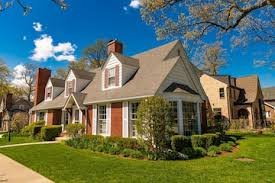
Acadia doesn’t get the same attention as some newer Calgary communities.
But if you care about location, mature streets, and real houses, it should be on your list.
You get:
- Older, solid homes
- Good access to main roads and transit
- Big trees and real yards
- A mix of price points, from “needs work” to fully renovated
This guide focuses on Acadia Calgary so you can understand what’s on the market and how to judge if a home here fits your life.
I can’t show live MLS® listings, but I can help you read and compare what you see online.
Where Acadia Sits in Calgary
Acadia Calgary is in southeast Calgary, boxed in by:
- Heritage Drive to the north
- Southland Drive to the south
- Macleod Trail to the west
- Deerfoot Trail to the east
That location is the main reason a lot of buyers search here.
From Acadia you can:
- Drive downtown up Macleod Trail
- Cut across the city on Glenmore Trail (just north)
- Head north or south on Deerfoot fast
- Reach Chinook Centre, Southcentre, and big box stores in a short drive
You’re not far from much.
For many people, this alone makes Acadia more useful than outer suburbs.
What Acadia Feels Like
Acadia is a mature neighbourhood:
- Most homes built in the 1960s and 1970s
- Tree‑lined streets
- Sidewalks, schools, and small parks scattered through the area
- A mix of long‑time owners, young families, and downsizers
You won’t see brand‑new show homes.
You will see:
- Original bungalows
- Houses with full modern renos
- Everything in between
If you like the feel of an older area that’s still central, this is it.
Types of Homes for Sale in Acadia
When you look at updated real estate listings for Acadia, you’ll usually see four main types.
1. Detached houses
Most common.
Typical traits:
- Bungalows and split‑levels
- 3–4 bedrooms
- 1–3 bathrooms
- Full basements (many finished)
- Lots larger than a typical new suburb lot
- Garages (single or double), or room to add one
You’ll see:
- Fully renovated places
- Partly updated homes (some new, some old)
- “Time capsule” houses that need cosmetic work
Detached homes appeal to:
- Families
- First‑time buyers who want a house, not a condo
- Investors looking for suited properties
2. Semi‑detached / duplex homes
Less common than detached, but still present.
You’ll often get:
- 2–3 bedrooms
- 1–2 bathrooms
- Smaller yards
- Shared wall with one neighbour
- Lower purchase price than detached homes
Good if you:
- Want ground‑level living
- Need to stay under a certain budget
- Can live with one shared wall to get the location you want
3. Townhouses
You’ll find townhouse complexes in and near Acadia.
Common features:
- 2–3 bedrooms
- 1–2 bathrooms
- Small private patio or yard
- Surface or assigned parking
- Monthly condo fees
Condo fees often cover:
- Exterior building maintenance
- Snow and lawn care
- Building insurance
- Sometimes water/sewer and garbage
Townhomes fit:
- First‑time buyers
- Downsizers
- Anyone who wants less outdoor maintenance
4. Low‑rise condos
Closer to Macleod Trail and some main roads you’ll see apartment‑style condos.
Typical:
- 1–2 bedrooms
- Underground or surface parking
- Smaller square footage
- Lower list prices than houses
Best for:
- Singles and couples
- People who value location over space
- Some investors
Updated Real Estate Patterns in Acadia
Prices change month to month, but a few things stay consistent.
Location premium
Acadia usually costs more than far‑out suburbs because:
- It’s closer in
- It has better road and transit access
- It sits between two major corridors (Macleod and Deerfoot)
But it often costs less than:
- Inner‑city infill areas
- Hot “brand‑new” communities with lots of marketing
You’re paying for function and access, not status.
Condition is everything
Because homes are older, condition has a big impact on price.
You’ll often see three broad levels:
-
Mostly original
- Old kitchens and baths
- Older windows and doors
- Worn flooring
- Lower asking prices
-
Partially updated
- Maybe a newer kitchen, but old windows
- Or updated windows, but original baths
- Mid‑range pricing
-
Fully renovated
- New kitchen, baths, flooring, and trim
- Newer windows, roof, furnace, hot water tank
- Top end for the neighbourhood
The jump between these levels can be large.
You decide if you want to pay for “done” or do some work later.
Suites and secondary income
Many Acadia bungalows and splits have:
- Separate side entrances
- Finished basements
- Existing (often non‑legal) suites
This matters if you:
- Want rental income to offset your mortgage
- Are an investor
But you must understand:
- City rules for secondary suites
- Insurance implications
- The difference between legal and illegal suites
Who Acadia Works Best For
Families
Acadia fits families who want:
- 3–4 bedrooms
- Yard space for kids and pets
- Schools and parks nearby
- Shorter commutes
Many streets feel lived‑in and comfortable rather than empty or brand‑new.
First‑time buyers
Good if you:
- Want a house or townhouse in a mature area
- Don’t need everything brand new
- Care about staying close to central Calgary
You might buy a partly updated home and improve it slowly.
Downsizers
Appealing if you:
- Want a bungalow or fewer stairs
- Like being close to services, shops, and health care
- Don’t want to feel far away from everything
A smaller bungalow on a decent lot can work well.
Investors
Acadia makes sense if you:
- Want long‑term rentals in a central SE location
- Value suite potential
- Plan to sell later to regular home buyers, not just other investors
Younger families and first‑time buyers will likely keep buying here.
How to Look at Acadia Listings the Smart Way
Use realtor.ca or local brokerage sites.
Then simplify your process.
Step 1: Filters
Set:
- Community: Acadia
- Property type: pick what you actually want (house, duplex, townhouse, condo)
- Price range: based on your real monthly comfort level
- Min bedrooms and baths: what you truly need
Step 2: Shortlist
From all the results:
- Save only homes that fit your budget and size needs
- Ignore places clearly too small, too large, or too pricey
You want a small, realistic list, not 40 maybes.
Step 3: Compare the basics
For each saved listing, write down:
- Price
- Type (detached / semi / townhouse / condo)
- Beds / baths
- Basement (unfinished / finished / suited)
- Major updates mentioned:
- Roof
- Windows
- Furnace
- Hot water tank
- Garage (none / single / double)
- Location (quiet interior street vs busier road)
You’ll start to see patterns fast.
What to Watch For in Acadia Homes
Big‑ticket items
Ask or look for hints about:
- Roof age (mention of new shingles or recent replacement)
- Windows (old wood or aluminum vs newer vinyl)
- Furnace and hot water tank age (stickers often show year)
- Any talk of plumbing or electrical upgrades
If none of that is mentioned in a 50‑60 year old home, expect some costs coming.
Layout and flow
Think about:
- Where you enter and dump coats and shoes
- How the kitchen connects to dining and living space
- Bedroom size (can full‑size furniture fit?)
- Basement use (rec room, office, or suite potential)
A well‑laid‑out small home can feel better than a big house with awkward rooms.
Yard and outdoor space
Check:
- Fencing (safe for kids and pets?)
- Sun exposure (south/west yards feel warmer and brighter)
- Trees (shade vs maintenance)
- Usable flat space vs awkward slopes
A modest, useful yard can be enough if it fits your lifestyle.
Seeing Homes in Person
Online listings only show so much.
In an older area like Acadia, the in‑person feel matters a lot.
At a showing, pay attention to:
- Smell – musty, smoky, or heavy air freshener can mean hidden issues
- Floors – soft spots or major slopes are warning signs
- Ceilings – stains, bubbles, or patchwork hint at old leaks
- Basement – dampness, visible water lines, or white residue on concrete
- Windows and doors – drafts, trouble opening/closing, broken seals
Also notice:
- Noise levels inside and outside
- How close neighbours’ windows and decks are
- Parking in reality, not just on paper
If the structure feels shaky or the street feels wrong, don’t ignore it.
Always Get a Home Inspection
With older homes, a proper inspection is essential.
Ask the inspector to check:
- Roof and attic (leaks, insulation)
- Foundation and basement (movement, moisture)
- Electrical panel and visible wiring
- Plumbing (pipe types, leaks, venting)
- Furnace, hot water tank, ducting
- Windows, doors, and overall energy efficiency
Use the report to:
- Confirm if the asking price is fair
- Plan for upcoming work
- Decide if you can live with the issues or need to move on
Simple Path From Browsing to Buying in Acadia
-
Set a clear monthly budget
- Mortgage, taxes, utilities, insurance, and a bit for repairs.
-
Get pre‑approved
- So you know your safe top price.
-
Search Acadia only at first
- Filter by type, price, beds, baths.
-
Shortlist and drive the streets
- Visit blocks at different times.
- Cross off streets you don’t like.
-
View your top 3–5 homes
- Compare layout, condition, and street feel.
-
Offer with conditions
- Financing and inspection.
-
Review the inspection honestly
- If the home is solid and the numbers work, move ahead.
- If not, be ready to keep looking.
Final Thoughts
Acadia isn’t about flash.
It’s about:
- A strong southeast location
- Mature trees and real yards
- Solid homes with character
- A wide range of prices and conditions
If you want updated real estate that still makes sense for daily life—commuting, kids, errands—Acadia Calgary homes for sale are worth your attention.
Use listings as tools, not just pictures.
Match what’s on the screen to your budget, your routines, and your tolerance for older houses.
When you find a place where:
- The payment fits
- The home feels steady
- The layout works
- The street feels right
you’re probably looking at the Acadia home that’s actually right for you.

 Turkish