


When it comes to your health, your heart is the engine that keeps everything else running. Whether you are experiencing unusual palpitations, preparing for a fitness milestone, or simply keeping up with your annual check-up, understanding your cardiac health is a vital step in proactive wellness. One of the most common and effective tools doctors use to check heart function is the Electrocardiogram, or ECG.
If you have recently found yourself searching for an ecg scan near me, you likely have questions about what the procedure involves, why it is necessary, and how to choose the best provider. At EcoTown, we believe that clarity is the first step toward a healthier lifestyle. In this guide, we will break down everything you need to know about ECG scans, ensuring you feel confident and informed before your appointment.
What Exactly Is an ECG Scan?
An Electrocardiogram (ECG) is a non-invasive, painless test that records the electrical activity of your heart over a period of time. Every time your heart beats, an electrical impulse (or "wave") travels through it. This wave causes the muscle to squeeze and pump blood from the heart.
An ECG measures these impulses to show how fast your heart is beating, whether the rhythm of your heartbeats is steady or irregular, and the strength and timing of the electrical impulses passing through each part of your heart.
Why Doctors Recommend an ECG
-
Chest pain or discomfort.
-
Shortness of breath.
-
Dizziness, lightheadedness, or confusion.
-
Heart palpitations (feeling like your heart is racing or flipping).
-
General weakness or a decline in the ability to exercise.
How the Procedure Works: What to Expect
The beauty of the ECG is its simplicity. Unlike many medical tests that require fasting or sedation, an ECG is quick and straightforward. When you visit a clinic for an ecg scan near me, the process usually follows these steps:
-
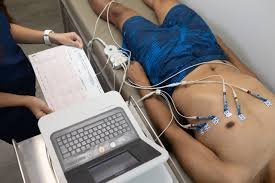
Preparation: You will be asked to lie down on an examination table. Small, sticky patches called electrodes are attached to your arms, legs, and chest.
-
Recording: The electrodes are connected by wires to a machine that converts the heart’s electrical signals into wavy lines on paper or a digital screen.
-
Duration: You will need to remain still and breathe normally for a few minutes while the machine records the data.
-
Completion: Once the recording is finished, the electrodes are removed. You can return to your normal activities immediately.
Types of ECG Monitoring
Sometimes, a standard "resting" ECG isn't enough because it only captures a snapshot of your heart at that specific moment. Depending on your symptoms, a provider offering an ecg scan near me might suggest:
-
Stress Test: An ECG taken while you exercise on a treadmill or stationary bike.
-
Holter Monitor: A portable ECG device you wear for 24 to 48 hours to record heart activity during daily life.
-
Event Monitor: Similar to a Holter monitor, but it only records when you feel symptoms and trigger the device.
Choosing the Best Provider: The EcoTown Advantage
Not all diagnostic centers are created equal. When you are looking for an ecg scan near me, you want a facility that combines advanced technology with a compassionate approach. At EcoTown, we prioritize patient comfort and diagnostic accuracy.
What to Look For in a Diagnostic Center
-
Certified Technicians: Ensure the staff performing the test are properly trained and accredited.
-
Modern Equipment: Newer machines provide clearer readings, which help cardiologists make more accurate diagnoses.
-
Quick Turnaround: You shouldn’t have to wait weeks for results. Look for centers that offer timely reports.
-
Affordability: Quality healthcare should be accessible. Check if the facility offers transparent pricing.
By choosing a reputable location for your ecg scan near me, you ensure that the data collected is reliable, giving your doctor the best possible foundation for your treatment plan.
Understanding Your Results
Once the test is complete, a cardiologist will interpret the graph. They look for specific patterns in the peaks and valleys of the waves.
Common Findings
-
Heart Rate: A normal resting heart rate is typically between 60 and 100 beats per minute.
-
Heart Rhythm: The ECG shows if your heart is beating in a consistent, regular pattern.
-
Physical Changes: An ECG can sometimes suggest if the heart walls have become thickened or if the heart is enlarged.
-
Evidence of Past Injury: The test can often show if you have had a heart attack in the past, even if you weren't aware of it at the time.
If you are currently searching for an ecg scan near me because of active chest pain, please remember that an ECG is just one piece of the puzzle. Always follow your healthcare provider's advice for comprehensive testing.
Preparation Tips for Your Appointment
To get the most accurate results when you go for your ecg scan near me, keep these simple tips in mind:
-
Avoid Heavy Creams: Do not apply oily skin creams or lotions on the day of the test, as they can prevent the electrodes from sticking properly.
-
Wear Accessible Clothing: Wear a shirt that can be easily removed or unbuttoned to allow electrode placement on the chest.
-
Stay Calm: Stress can temporarily alter your heart rate. Arrive a few minutes early to sit and relax before the test begins.
-
Disclose Medications: Some medications can affect heart rhythm. Make sure the technician knows what supplements or prescriptions you are taking.
Conclusion
Taking care of your heart is an ongoing journey, and diagnostic tools like the ECG are your best allies. Whether it is for a routine check-up or investigating a specific symptom, finding a reliable ecg scan near me is the first step toward peace of mind.
At EcoTown, we are dedicated to providing high-quality diagnostic services in a professional and welcoming environment. Your health is our priority, and we are here to support you with the precision and care you deserve. Don't leave your cardiac health to chance—stay proactive and stay informed.
Frequently Asked Questions
1. Is an ECG the same as an Echocardiogram?
No, they are different tests. An ECG measures the electrical activity of the heart, whereas an Echocardiogram uses ultrasound waves to create a physical image of the heart's structure and valves. Think of the ECG as checking the "wiring" and the Echocardiogram as checking the "plumbing."
2. Can an ECG detect a heart attack?
Yes, an ECG can often show evidence of a previous heart attack or one that is currently happening. It identifies areas of the heart muscle that are damaged or not receiving enough oxygenated blood.
3. Does the test hurt?
Not at all. The test is completely non-invasive. You might feel a slight tugging sensation when the sticky pads are removed from your skin, similar to removing a bandage, but there is no electricity sent into your body.
4. How long does the appointment usually take?
The actual recording of the heart's electrical activity only takes about 5 to 10 minutes. However, including the time for preparation and electrode placement, you should plan to be at the clinic for about 20 to 30 minutes in total.
5. Do I need a doctor's referral to get this test?
While some centers allow for self-referral for screening purposes, it is generally recommended to have a referral from a general practitioner or cardiologist. This ensures that the results are sent to a professional who can interpret them in the context of your overall medical history.

 Turkish