


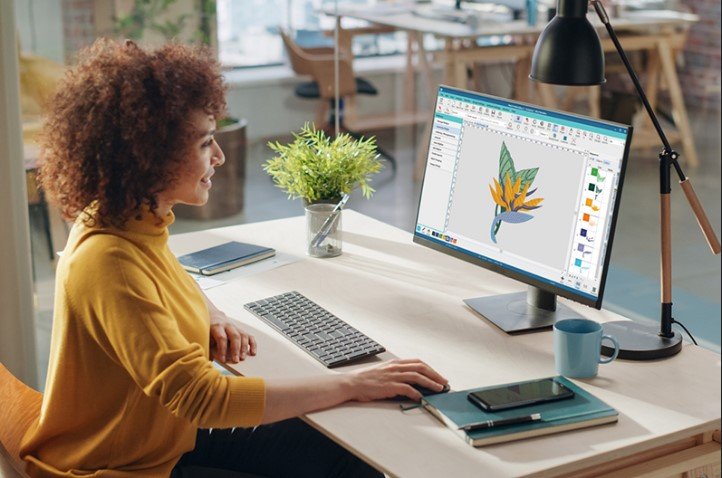
You know the struggle. The thread breaks for the third time on the same design. The fabric puckers no matter how you hoop it. The machine pauses, jitters, and you hear that dreaded sound—a clunk, a whir, then silence. Your production line stops, and frustration builds. What if the problem wasn't your machine, your thread, or your hooping technique, but the very blueprint you gave it? The secret to a calm, productive studio isn't just a quality machine; it's what you feed it. The key is to Digitize Designs for Happy Embroidery Machine. Smart, thoughtful digitizing is the unsung hero that transforms your machine from a temperamental tool into a reliable workhorse, humming along stitch after perfect stitch.
The Real Culprit: The File, Not the Machine
Embroidery machines are precision instruments, but they are not intelligent. They execute commands blindly. If the digital design file contains inefficient paths, excessive trims, or incorrect tension settings, the machine has no choice but to follow those poor instructions, leading to physical failures.
A "happy" machine is simply one running a well-planned program. The struggle—thread breaks, puckering, needle strikes, constant re-threading—is almost always a cry for help from a machine being asked to do the impossible by a poorly engineered file. Smart digitizing pre-solves these physical problems in the digital realm.
The Pillars of Smart Digitizing for Machine Happiness
Smart digitizing is a proactive approach. It focuses on creating files that are easy on your machine, your materials, and your patience.
1. Intelligent Stitch Pathing & Sequencing:
This is the core of smooth operation. A smart digitizer plans the stitch order like a master strategist planning a road trip.
-
Minimizes Jumps and Trims: They create a logical sewing sequence where the needle moves efficiently from one section to the next, using short "running" jumps instead of cutting the thread. Fewer trims mean less chance for thread clumps (bird nesting) and less wear on the trimmer mechanism.
-
Optimizes Start/Stop Points: They place color changes and starting points in stable, easy-to-reach areas, preventing awkward needle drags or pulls that can misalign the design.
2. Balanced Stitch Density & Tension Management:
Dense designs are hard on machines. They require more needle penetrations, create more heat from friction, and put greater pull on the fabric.
-
Fabric-Specific Density: Smart digitizing uses the minimum density needed for clean coverage on the target fabric. A file for a stretchy tee will be far less dense than one for a canvas bag. This reduces stress on the needle, hook, and fabric.
-
Strategic Underlay: This foundational stitch layer is non-negotiable. It stabilizes the fabric, preventing the top stitches from having to pull the material taut. This drastically reduces the tension burden on the machine's upper thread path, preventing breaks.
3. Proactive Problem Prevention:
A smart digitizer anticipates issues.
-
Pull Compensation: They adjust shapes digitally so they sew out to the correct visual size, eliminating the need for the machine to fight distorted, pulling fabric.
-
Avoiding Micro-Stitches: They ensure stitch lengths are appropriate, avoiding tiny stitches that can clog or jam in dense areas.
-
Clean Object Outlines: Sharp, well-defined paths prevent the needle from making unnecessary penetrations along fuzzy edges, ensuring clean registration and less mechanical strain.
The Tangible Results: From Struggle to Smooth Sailing
When you feed your machine smart digitized files, the change is immediate and dramatic.
-
Drastically Reduced Thread Breaks: With balanced tension and logical paths, the upper thread flows smoothly. You'll stop jumping up to re-thread every ten minutes.
-
Elimination of Puckering: Proper underlay and appropriate density keep the fabric stable and flat. Your hoops will hold perfect fabric, not a warped mess.
-
Quieter, More Confident Operation: You'll hear the difference. The steady, rhythmic hum replaces jarring jumps, clunky trims, and the silence of an error stop.
-
Faster Production Times: Efficient stitch paths and fewer interruptions mean designs sew out faster. You complete more jobs per day with the same machine.
-
Longer Machine Life: Less strain on the needle bar, hook assembly, and trimmer means fewer repairs and a longer lifespan for your significant investment.
How to Start Digitizing for Happiness: Your Action Plan
You don't need to become an expert digitizer overnight. You need to adopt a smarter approach.
-
Audit Your Current Files: Take a design that constantly causes trouble. Look at the digitizing. Is it a solid block of extreme density? Does it have hundreds of tiny color jumps? The problem is likely there.
-
Partner with a "Smart" Digitizing Service: When outsourcing, don't just ask for a price. Ask about their process. Do they optimize for stitch reduction and machine efficiency? Do they ask what fabric you're using? A true partner will explain how they build files for smooth running.
-
Learn the Basics: If you digitize yourself, invest time in learning why, not just how. Understand the impact of density and the critical role of underlay. Small adjustments in your software can lead to massive improvements on your machine.
-
Demand Quality from Design Sources: When buying designs, look for providers known for clean, efficient digitizing, not just pretty pictures. A cheap, poorly digitized design is the most expensive file you'll ever run.
The Mindset Shift: Your Machine is Your Partner
The struggle stops when you stop viewing your machine as a separate entity and start seeing the file and the machine as one integrated system. The digital design is the brain; the machine is the body. A smart brain directs a healthy body to perform graceful, efficient work. A confused, poorly planned brain makes the body sputter and fail.
By committing to Digitize Designs for Happy Embroidery Machine, you make a proactive choice for productivity and peace of mind. You choose to prevent problems rather than react to them.
Conclusion: The Sound of Success is a Quiet Hum
The goal is simple: you want to press "start" and walk away, confident that your machine will complete the job perfectly. That confidence is bought with smart digitizing. It's the investment that pays dividends in saved time, saved materials, and saved sanity.
Stop fighting with your machine. Start feeding it intelligence. When you prioritize the engineering behind the design, you replace the sounds of struggle—the snaps, the groans, the silence—with the smooth, consistent, and satisfying hum of a happy machine at work. That hum is the sound of a thriving business, one perfectly engineered stitch at a time.

 Turkish