


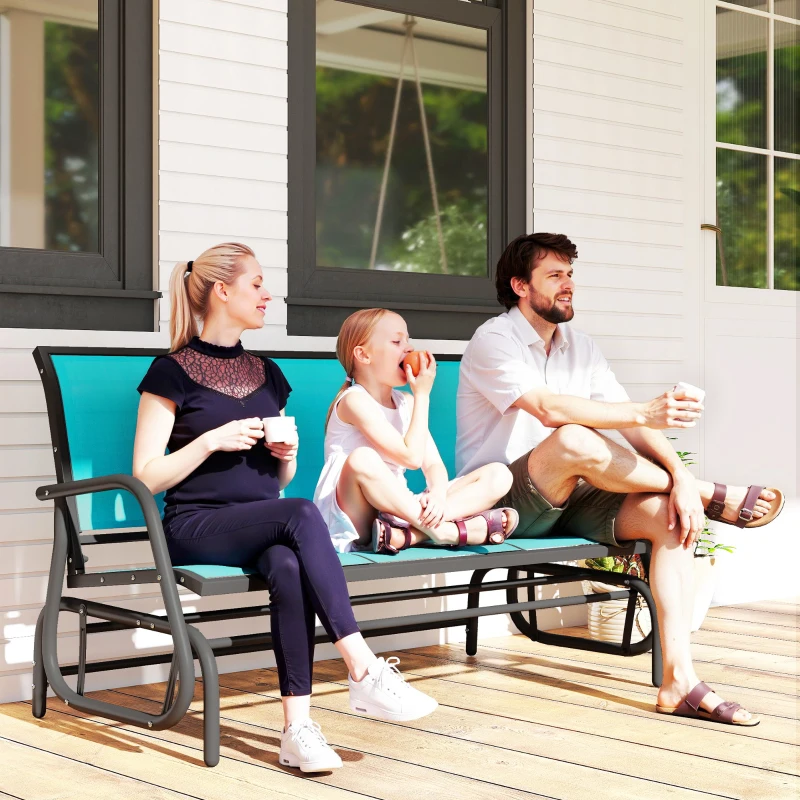
Having a small patio, balcony, or compact outdoor area does not mean you have to give up on outdoor living. In fact, with the right furniture choices, even the tiniest outdoor space can be transformed into a stylish, functional retreat where you can sip morning coffee, enjoy a meal, or simply unwind at the end of the day. The challenge most people face is not the size of the space, it is choosing furniture that fits well, serves multiple purposes, and holds up to the elements without cluttering every square foot. In 2026, the market for small-space patio furniture is better than ever, with compact designs, smart materials, and multifunctional pieces that make the most of every inch. This article walks you through the best types of patio furniture for small spaces, what to look for before buying, and how to arrange it all without the overwhelm.
Measure First, Shop Second
Before browsing any furniture, the single most important step is measuring your outdoor space. Many people skip this step and end up with pieces that are too wide, too deep, or simply too bulky for the area. A practical rule of thumb is to keep at least 24 inches of clear walkway around your furniture at all times. If your space includes a sliding door or gate, that clearance becomes even more critical. For a dining setup, allow 24 to 36 inches from the edge of the table to the nearest wall or railing so chairs can be pulled out comfortably. For a lounge setup, leave 14 to 18 inches between the seat and any coffee table so there is room to stretch your legs. Once you have your measurements, you can shop with confidence rather than guessing.
Best Furniture Types for Small Patios and Balconies
Bistro Sets
Bistro sets are the undisputed king of small-space outdoor furniture, and for good reason. A standard 3-piece bistro set, one small round table and two chairs, typically occupies fewer than nine square feet when open, making it practical even on a balcony as small as 10 by 10 feet. These sets work beautifully for morning coffee, casual meals, or a quiet reading spot. Many bistro sets are made from powder-coated steel or aluminum, which is both rust-resistant and lightweight enough to move indoors when the weather turns. For those who want something with a warmer aesthetic, sets crafted from solid acacia or eucalyptus wood with foldable chairs are a strong choice and bring a natural, European café feel to any outdoor space.
The bistro set, priced at around $150, is a widely praised budget-friendly option that folds completely flat against a wall when not in use, an ideal feature for tiny balconies where every inch matters.
Foldable and Stackable Furniture
Foldable and stackable furniture is one of the smartest investments you can make for a compact outdoor space. When you have guests, unfold the extra chairs. When the season ends or a storm rolls in, stack them and slide them into a corner. This flexibility means you are never locked into a single setup, and you never waste floor space on furniture that sits idle. Look for folding chairs that support at least 250 to 330 pounds and have non-slip foot pads to protect balcony floors and deck surfaces. Lightweight aluminum frames with sling-back seating are particularly popular in this category because they dry quickly after rain and require almost no maintenance.
Compact Corner Sectionals
If your goal is to maximize seating without a large footprint, a compact corner sectional designed specifically for small patios is worth considering. L-shaped or corner-style sets tuck neatly against two walls or railings, freeing up the center of your space for movement or a small table. Many of these sets use PE wicker over a powder-coated steel frame, which resists rust, fading, and all-weather conditions throughout the year. A well-chosen 3 to 4-piece corner set can comfortably seat three to four people while still leaving enough room for a light-colored outdoor rug, which has the added visual benefit of making the space feel larger than it is.
Multifunctional Pieces
In small spaces, every piece of furniture should earn its place. Ottomans that double as coffee tables or storage boxes are excellent additions because they provide seating, surface space, and hidden storage in one compact unit, particularly useful on balconies where there is no nearby shed or garage for cushion storage. Similarly, a bench with built-in storage underneath serves double duty as both seating and a practical place to stow blankets, gardening tools, or extra cushions. Side tables that fold flat against the wall when not in use are another smart inclusion, especially for narrow balconies where a permanent table would block traffic flow.
Best Materials for Small-Space Patio Furniture
Choosing the right material is just as important as choosing the right size. For small outdoor spaces, especially balconies in apartment buildings, you want furniture that can handle rain, sun, and humidity without requiring constant maintenance or needing to be moved indoors every season.
Powder-Coated Aluminum is the most low-maintenance option available. It never rusts, does not fade easily, and is light enough to rearrange on your own. It suits modern and minimalist aesthetics particularly well.
PE Wicker over Steel Frames offers a more natural, woven look while still being fully weather-resistant. The synthetic PE rattan resists fading and cracking far better than natural rattan, and the steel frame underneath provides solid structural support.
Treated Hardwood (Acacia or Teak) brings warmth and a premium aesthetic to small spaces. Acacia is more affordable and widely available, while teak is the gold standard for outdoor durability, containing natural oils that repel water, resist rot, and hold up for decades with minimal care.
For cushions, always look for covers made from water-resistant or Sunbrella-grade fabric that can be removed and machine-washed. Cushions that absorb water and take days to dry become a genuine inconvenience in a small outdoor space.
Smart Layout Tips for Small Outdoor Spaces
Beyond the furniture itself, how you arrange your space can make a significant difference. Using a light-colored, weather-resistant outdoor rug to define the seating zone draws the eye outward and makes the area feel more intentional and spacious. Keeping the floor as clear as possible — by using vertical planter hangers or railing-mounted herb gardens instead of large floor pots, preserves the walking space that makes small patios feel comfortable rather than cluttered. Round tables are particularly well suited to square balconies because they have no sharp corners to navigate around and create a more conversational, open atmosphere.
Conclusion
Small outdoor spaces deserve just as much attention and care as large backyards. The key to getting it right lies in choosing furniture that is proportionate to your space, built from durable all-weather materials, and designed to serve more than one purpose when possible. Whether you opt for a classic bistro set, a foldable dining setup, a compact corner sectional, or a mix of multifunctional pieces, the goal is the same: to create an outdoor space that feels inviting, functional, and genuinely enjoyable, regardless of how many square feet you are working with. With the wealth of options available in 2026, transforming even the most modest balcony or patio into a personal outdoor retreat has never been more accessible.
Frequently Asked Questions (FAQs)
Q1: How do I protect my small-patio furniture during winter months if I have no storage space? The best approach is to invest in high-quality, all-weather furniture made from powder-coated aluminum or PE wicker that can safely remain outdoors year-round. Pair this with weatherproof furniture covers designed to resist rain, UV exposure, and frost. These covers are compact to store and provide adequate protection without needing to move any furniture indoors.
Q2: Can I use indoor furniture on a covered balcony or patio? It is generally not recommended, even on covered outdoor spaces. Indoor furniture is not designed to handle humidity, temperature fluctuations, or occasional exposure to moisture and direct sunlight. Using it outdoors will shorten its lifespan significantly and may lead to mold growth on fabrics or warping in wood frames that are not treated for outdoor conditions.

 Turkish