


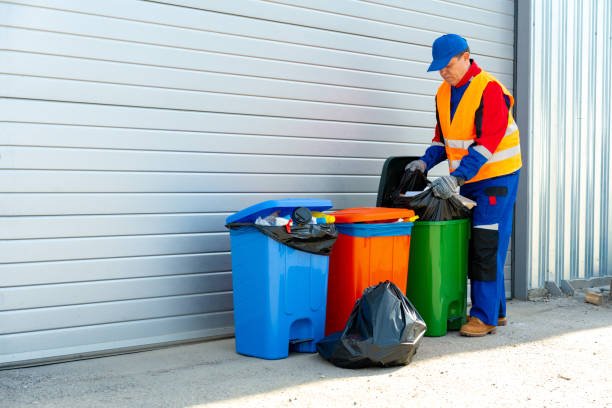
Managing unwanted clutter requires a clear understanding of how removal services operate, what they accept, and how disposal is handled. We focus on practical steps that reduce risk, save time, and ensure materials are handled responsibly. Many homeowners overlook sorting requirements and disposal regulations, which can lead to delays or unexpected costs during service.
We also emphasize planning ahead—especially for large cleanouts—because timing, volume, and accessibility directly affect pricing and efficiency. Planet Haulers Junk Removal works within structured workflows that prioritize safety, compliance, and proper disposal channels.
Key Takeaways
-
Junk removal pricing depends on volume, labor, and item type
-
Sorting items beforehand can reduce service costs and time
-
Hazardous materials require special handling and are often restricted
-
Scheduling and accessibility influence overall efficiency
-
Recycling and donation reduce landfill impact
A well-organized cleanup process not only improves efficiency but also minimizes environmental impact. According to industry estimates, nearly 60% of household waste contains recyclable or reusable materials, yet much of it still ends up in landfills due to poor sorting practices.
Understanding How Junk Removal Services Actually Work
We approach junk removal as a structured process rather than a simple pickup. It begins with assessment, followed by sorting, removal, and final disposal. Each stage has a direct impact on cost, environmental outcome, and turnaround time.
Most professional teams separate materials into categories such as recyclables, donations, and landfill waste. This approach aligns with growing environmental standards, especially in regions like California where waste diversion targets exceed 75%.
What Typically Happens During a Service Visit
-
On-site evaluation to estimate volume and labor
-
Separation of recyclable, reusable, and disposal items
-
Safe removal using proper equipment
-
Transportation to appropriate facilities
-
Final cleanup of the cleared space
This process ensures that valuable materials do not go to waste while also maintaining compliance with disposal regulations.
Cost Factors That Influence Pricing Decisions
Pricing is not random—it is calculated based on measurable variables. We consistently see three primary factors: volume, labor intensity, and disposal requirements. Heavy materials like concrete or roofing debris increase costs due to weight-based disposal fees.
Another important factor is accessibility. Narrow driveways, stairs, or limited parking can increase labor time. According to waste management data, labor accounts for nearly 40% of total service cost in residential junk removal jobs.
When You Actually Need a Professional Service
Many homeowners delay calling professionals, assuming DIY removal will save money. In reality, large cleanouts often require multiple trips, disposal fees, and physical effort that outweigh initial savings.
We typically recommend professional removal in situations like estate cleanouts, renovation debris, or large furniture disposal. These scenarios involve bulk waste and logistical challenges that are difficult to manage independently.
Mid-Project Planning and Local Service Relevance
In the middle of any cleanup project, decision-making becomes critical. This is where choosing a Junk removal service Garden Grove, CA aligns with both local regulations and disposal infrastructure. Regional services understand landfill restrictions, recycling mandates, and donation networks specific to the area.
This local knowledge helps avoid fines, delays, or improper disposal. It also ensures faster turnaround times since service providers are familiar with nearby facilities and traffic patterns.
Common Items Accepted and Restricted
-
Furniture, appliances, and household clutter are typically accepted
-
Yard waste and construction debris are usually allowed
-
Hazardous waste like chemicals or paint is restricted
-
Electronic waste may require specialized handling
-
Medical or biohazard materials are not accepted
Understanding these categories beforehand prevents last-minute complications during pickup.
Environmental Responsibility and Waste Management
We prioritize environmentally responsible disposal because landfill space is limited and regulations are tightening. Studies show that construction and demolition waste alone accounts for over 30% of total waste in the U.S.
Recycling metals, plastics, and wood reduces environmental strain while also lowering disposal costs. Donation programs also play a role, especially for usable furniture and appliances.
Key Considerations Before Making a Decision
Before hiring a service, we evaluate several practical factors. Licensing and insurance are critical because they protect against liability during removal. Experience also matters—teams with structured workflows complete jobs faster and with fewer risks.
We also recommend comparing service scope rather than just price. Some providers include sorting and cleanup, while others charge extra. Transparency in pricing and process is a strong indicator of reliability.
Common Questions People Ask
Many homeowners ask whether same-day service is available. In most cases, availability depends on workload and location, but urgent requests can often be accommodated with additional fees.
Another frequent question involves cost estimates. While rough pricing can be provided over the phone, accurate estimates typically require an on-site assessment due to variables like volume and accessibility.
People also wonder about recycling practices. Most professional services prioritize recycling, but the percentage depends on the type of materials collected during the job.
Practical Tips for Better Results
We recommend preparing items in advance to streamline the process. Grouping similar materials together reduces sorting time and helps crews work more efficiently.
Another useful approach is clearing access paths before arrival. This minimizes labor effort and speeds up removal. For larger projects, scheduling during off-peak hours can also improve service efficiency.
Quick Tips to Improve Efficiency
-
Sort items into categories before pickup
-
Clear pathways for easy access
-
Schedule during less busy hours
-
Communicate special requirements in advance
These small steps can significantly improve both cost and turnaround time.
Frequently Asked Questions
How long does a typical junk removal job take?
Most residential jobs take between one to three hours, depending on volume and accessibility. Larger projects such as estate cleanouts may require a full day or multiple visits.
Are all items removed recycled or donated?
Not all items can be recycled or donated, but a significant portion usually is. The exact percentage depends on the materials and their condition.
Do I need to be present during the service?
While it is recommended, some services allow remote coordination if clear instructions and access are provided beforehand.
How is pricing calculated?
Pricing is generally based on volume, labor, and disposal fees. Heavier or hazardous materials may increase overall cost.
Can large appliances be removed safely?
Yes, professional teams use proper equipment to handle heavy appliances safely without damaging property or causing injury.
Final Thoughts
Effective junk removal depends on planning, understanding cost factors, and choosing a service that prioritizes both efficiency and responsible disposal. When these elements align, the process becomes significantly smoother and more predictable. Homeowners who prepare in advance and understand service limitations tend to experience better results with fewer complications.
If clutter is slowing down your space or project, now is the time to take action. Our team handles everything from sorting to final disposal with a focus on safety and efficiency. Reach out today to discuss your needs, schedule a service, and ensure your property is cleared without unnecessary delays or complications. A cleaner, more organized space is just one decision away.

 English