


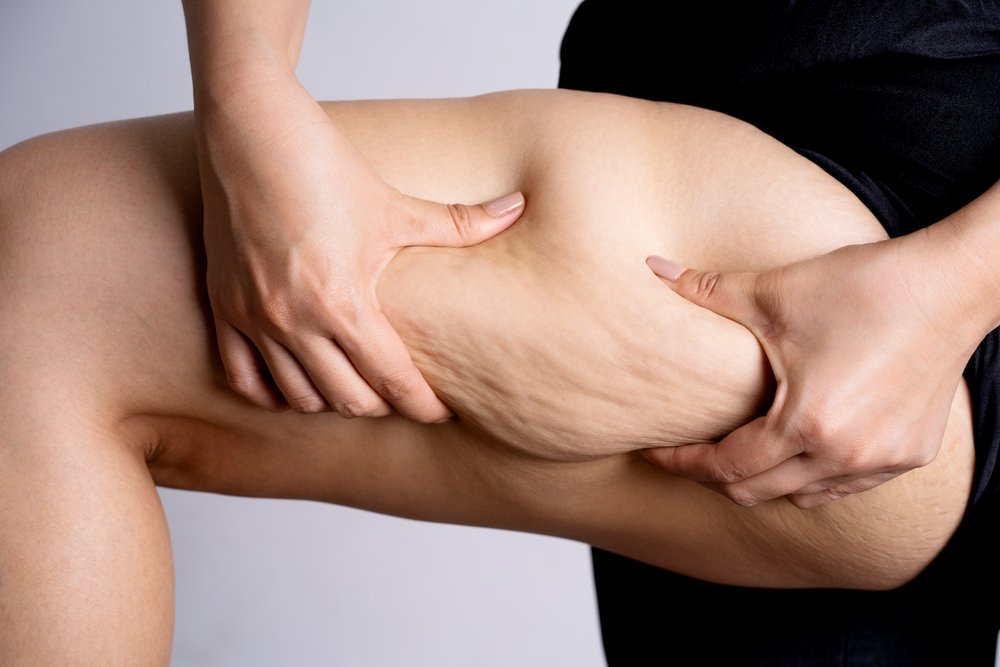
Living with lipedema can feel overwhelming, especially when symptoms like pain, swelling, and limited mobility interfere with daily life. Many individuals search for solutions that do not involve surgery, hoping to manage the condition in a more accessible and less invasive way. Understanding the range of non-surgical options available today is essential, as Lipedemia Treatment has evolved to include several effective therapies that focus on symptom relief and long-term management. While these approaches may not cure the condition, they can significantly improve comfort, mobility, and overall quality of life.
Understanding the Role of Conservative Treatment:
Non-surgical methods, often referred to as conservative treatments, form the backbone of lipedema care. These approaches are typically recommended as the first line of treatment and are often continued even if other therapies are introduced later. The goal is to reduce swelling, improve circulation, and manage pain without invasive procedures. Common components include:
- Regular use of compression garments
- Manual lymphatic drainage techniques
- Physical activity tailored to individual ability
- Ongoing monitoring of symptoms
These strategies work best when combined into a consistent routine, allowing patients to maintain better control over their condition.
Compression Therapy and Its Daily Impact:
Compression therapy is one of the most widely recommended non-surgical treatments for lipedema. It involves wearing specially designed garments that apply pressure to affected areas, helping to reduce fluid buildup and support the lymphatic system. Over time, consistent use can lead to noticeable improvements in comfort and mobility. Key benefits include:
- Reduced swelling and heaviness in limbs
- Improved circulation and lymphatic flow
- Enhanced support during physical activity
- Prevention of symptom progression
Although it may take time to adjust, many individuals find compression therapy to be a vital part of their daily management plan.
Manual Lymphatic Drainage for Symptom Relief:
Manual lymphatic drainage (MLD) is a specialized massage technique that stimulates the movement of lymph fluid throughout the body. This gentle therapy is particularly beneficial for individuals experiencing significant swelling or discomfort. When performed regularly by trained professionals, it can:
- Decrease fluid retention in affected areas
- Reduce pain and tenderness
- Promote relaxation and stress relief
- Complement other non-surgical treatments
MLD is often recommended as part of a comprehensive Lipedemia Treatment plan, especially for those in the early to moderate stages of the condition.
Exercise and Movement as Essential Tools:
Staying active is crucial for managing lipedema, even though traditional exercise alone may not reduce the abnormal fat associated with the condition. Low-impact activities are particularly beneficial, as they minimize stress on joints while supporting circulation. Effective options include:
- Swimming or water aerobics for gentle resistance
- Walking to improve overall mobility
- Cycling for cardiovascular health
- Yoga or stretching to enhance flexibility
Incorporating regular movement into daily routines can help reduce stiffness, improve mood, and support other treatment methods.
Nutrition and Anti-Inflammatory Diet Approaches:
Diet plays a supportive role in managing lipedema symptoms, even though it does not directly eliminate lipedema fat. An anti-inflammatory approach to eating can help reduce discomfort and prevent additional complications. Many patients benefit from:
- Consuming whole, unprocessed foods
- Reducing sugar and refined carbohydrates
- Including healthy fats such as omega-3s
- Staying well-hydrated throughout the day
These dietary habits can improve overall health and enhance the effectiveness of other non-surgical treatments.
At-Home Therapies and Modern Devices:
Advancements in technology have made it easier for individuals to manage lipedema from the comfort of their homes. Various devices and tools are now available to complement traditional therapies, offering convenience and flexibility. Popular at-home options include:
- Pneumatic compression devices for lymphatic support
- Foam rollers for gentle tissue stimulation
- Vibration plates to encourage circulation
- Self-massage techniques for daily maintenance
These tools empower individuals to take a more active role in their care and maintain consistency between professional treatments.
Emotional and Psychological Benefits of Non-Surgical Care:
Managing lipedema is not just about physical symptoms; emotional well-being also plays a critical role. Non-surgical treatments often provide a sense of control and empowerment, helping individuals feel more confident in their ability to manage the condition. Positive impacts include:
- Reduced anxiety related to symptoms
- Improved self-image and confidence
- Greater motivation to maintain healthy habits
- Stronger sense of community through shared experiences
Addressing emotional health alongside physical care ensures a more balanced and sustainable approach to Lipedemia Treatment.
Building a Sustainable Routine for Long-Term Success:
Consistency is key when it comes to non-surgical lipedema management. Developing a routine that incorporates multiple therapies can lead to better outcomes over time. A sustainable plan often includes:
- Daily use of compression garments
- Scheduled exercise sessions each week
- Regular appointments for lymphatic drainage
- Ongoing evaluation and adjustment of strategies
By committing to a structured routine, individuals can experience lasting improvements and maintain a higher quality of life.
Final Thoughts:
Non-surgical lipedema treatments offer a powerful way to manage symptoms and improve daily living without the need for invasive procedures. While results may vary from person to person, combining therapies such as compression, exercise, diet, and at-home care can create meaningful change. With consistency, education, and the right support system, individuals can take control of their condition and build a healthier, more comfortable future.

 Turkish