


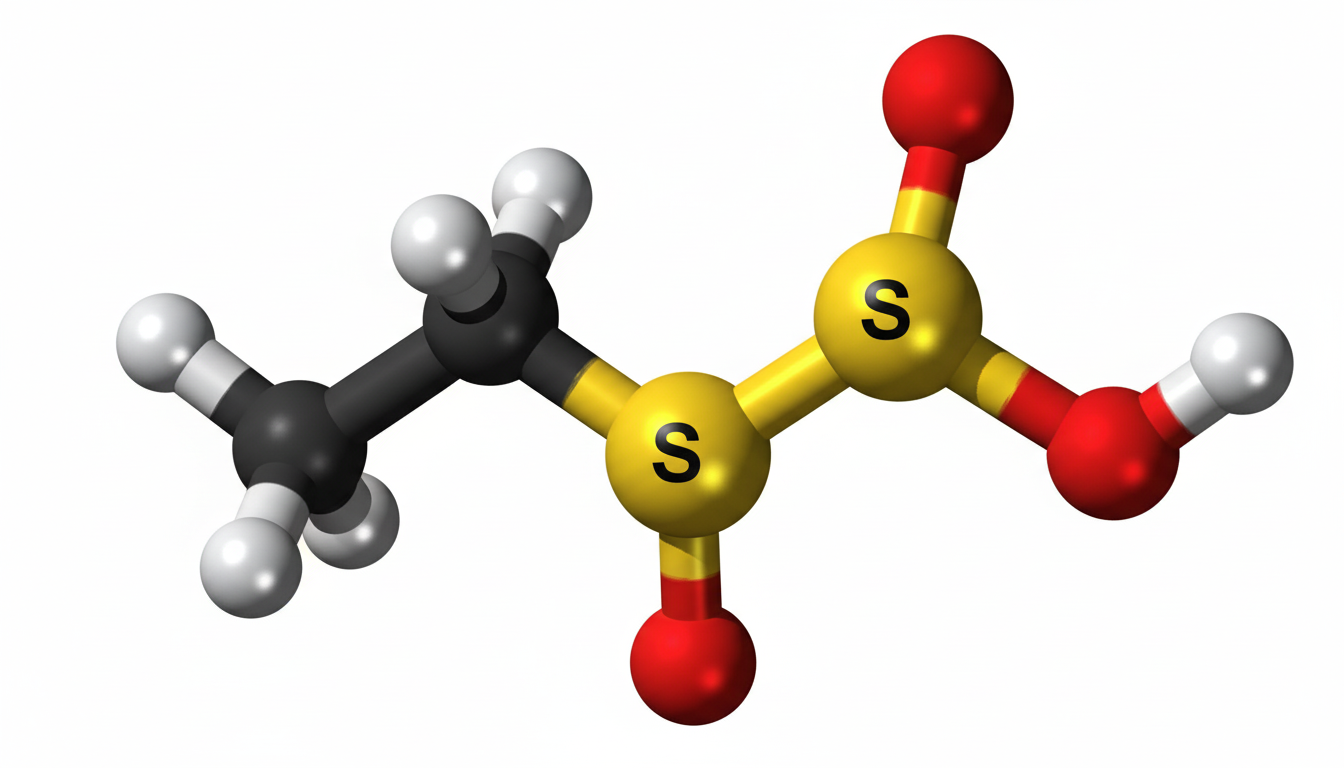
Ethylene sulfate is a chemical compound that belongs to the class of organosulfur compounds. It is primarily known for its cyclic sulfate structure, which makes it highly reactive and useful in various chemical processes. Although not widely recognized outside industrial and laboratory settings, ethylene sulfate plays an important role in organic synthesis and chemical research. Understanding its properties, applications, and safety considerations is essential for professionals working with this compound.
Chemical Structure and Properties
Ethylene sulfate is characterized by a three-membered ring consisting of two carbon atoms and one sulfur atom bonded to oxygen atoms. This ring structure creates significant strain, making the compound highly reactive. Its molecular formula is C₂H₄O₄S, and it appears as a colorless liquid under standard conditions. Due to its high reactivity, ethylene sulfate can easily participate in ring-opening reactions, which are valuable in chemical synthesis. The compound is also soluble in many organic solvents, further increasing its usability in laboratory processes.
Production and Synthesis
Ethylene sulfate is typically synthesized through the reaction of ethylene oxide with sulfur trioxide or sulfuric acid derivatives. This process results in the formation of the cyclic sulfate structure. The production requires controlled conditions because both reactants and the final product are highly reactive and potentially hazardous. Industrial synthesis focuses on maintaining purity and minimizing side reactions, which can lead to unwanted byproducts. Researchers often use small-scale synthesis methods to study its behavior and reactions.
Industrial Applications
One of the primary uses of ethylene sulfate is as an intermediate in organic synthesis. It is used to introduce sulfate groups into molecules, which can significantly alter their chemical properties. This makes it valuable in the production of specialty chemicals, pharmaceuticals, and advanced materials. In some cases, ethylene sulfate is also used in polymer chemistry to modify polymer structures or improve material properties. Its reactivity allows chemists to create complex molecules efficiently.
Role in Chemical Research
In research laboratories, ethylene sulfate is used to study reaction mechanisms, particularly those involving ring strain and nucleophilic substitution. Its unique structure provides insight into how molecules behave under stress and how they interact with different reagents. Scientists also use it to develop new synthetic pathways and to explore innovative chemical transformations. As a result, ethylene sulfate contributes to advancements in organic chemistry and material science.
Safety and Health Hazards
Despite its usefulness, ethylene sulfate is associated with significant safety risks. It is considered toxic and potentially carcinogenic, meaning it may pose long-term health risks with exposure. The compound can cause irritation to the skin, eyes, and respiratory system. Proper handling procedures, including the use of personal protective equipment such as gloves, goggles, and lab coats, are essential when working with ethylene sulfate. Adequate ventilation and strict safety protocols must be followed to minimize exposure.
Environmental Impact
Ethylene sulfate can also have negative effects on the environment if not handled properly. Its reactivity means it can interact with water and other substances, potentially leading to harmful byproducts. Disposal of this compound must follow environmental regulations to prevent contamination of soil and water sources. Industries using ethylene sulfate are required to implement waste management systems that reduce its environmental footprint.
Storage and Handling
Proper storage of ethylene sulfate is critical to ensure safety and stability. It should be kept in tightly sealed containers, away from moisture, heat, and incompatible substances such as strong bases or nucleophiles. Storage areas should be cool, dry, and well-ventilated. Labeling and documentation are also important to prevent accidental misuse. Workers handling the compound should be trained in emergency procedures in case of spills or exposure.
Regulatory Considerations
Due to its hazardous nature, ethylene sulfate is subject to strict regulations in many countries. Authorities often classify it as a controlled chemical, requiring specific permits for its use, storage, and transportation. Compliance with these regulations is essential for industries and laboratories to operate legally and safely. Regulatory guidelines also ensure that workers and the environment are protected from potential harm.
Comparison with Related Compounds
Ethylene sulfate is often compared to similar compounds such as ethylene oxide and other cyclic sulfates. While ethylene oxide is widely used in sterilization and chemical production, ethylene sulfate is more specialized due to its higher reactivity and toxicity. Other cyclic sulfates share similar properties but may differ in stability and applications. Understanding these differences helps chemists choose the appropriate compound for specific tasks.
Future Prospects
The future of ethylene sulfate lies in its potential for innovative applications in advanced chemistry. Researchers are exploring ways to use it in greener chemical processes and more efficient synthesis methods. There is also interest in modifying its structure to reduce toxicity while maintaining its reactivity. As scientific knowledge expands, ethylene sulfate may find new roles in emerging technologies and sustainable chemical practices.
Conclusion
Ethylene sulfate is a highly reactive and valuable compound in the field of chemistry. Its unique structure and properties make it an important tool for industrial applications and scientific research. However, its toxicity and environmental impact require careful handling and strict adherence to safety guidelines. By understanding its characteristics and uses, professionals can harness its potential while minimizing risks.

 Turkish