


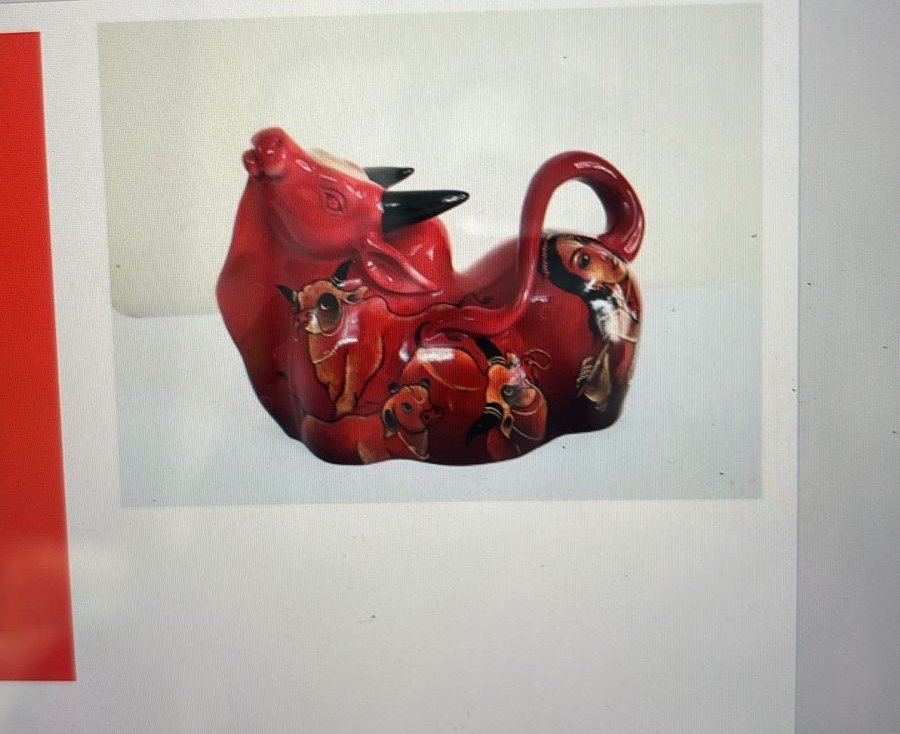
Indian sculptures are more than artistic expressions—they are living embodiments of history, spirituality, and cultural identity. From the intricate carvings of ancient temples to the refined elegance of Chola bronzes, Indian sculptures have transcended time, influencing not only traditional art forms but also modern aesthetics and collecting practices.
In today’s evolving art market, these masterpieces are gaining renewed attention among discerning Indian art collectors and global connoisseurs alike. As the boundaries between classical and contemporary art blur, Indian sculptures are emerging as both cultural investments and design statements. This article explores their enduring relevance, their connection with famous painters of India, and how collectors can strategically approach this dynamic segment of the art world.
The Legacy of Indian Sculptures: A Civilizational Narrative
Indian sculpture has its roots in some of the world’s oldest civilizations, including the Indus Valley. Over centuries, it evolved through distinct phases—Mauryan polish, Gupta elegance, Chola dynamism, and medieval temple grandeur.
Each era contributed unique stylistic elements:
- Spiritual Symbolism: Sculptures often represent deities, embodying philosophical concepts like dharma and moksha.
- Technical Mastery: From sandstone to bronze, artisans achieved remarkable precision and durability.
- Narrative Depth: Temple walls and standalone sculptures narrate epics like the Ramayana and Mahabharata.
For collectors, this historical richness translates into provenance value—a critical factor in long-term appreciation.
Dialogue Between Sculptures and Famous Painters of India


While sculptures are three-dimensional, their influence extends deeply into the world of painting. Many famous painters of India have drawn inspiration from sculptural forms, textures, and themes.
- Raja Ravi Varma reinterpreted sculptural depictions of deities into lifelike paintings, blending realism with mythology.
- Amrita Sher-Gil captured the solidity and form reminiscent of classical sculptures in her human subjects.
- M.F. Husain abstracted sculptural dynamism into bold, expressive lines.
This interplay highlights an important insight: collectors who appreciate sculpture often develop a more refined eye for painting, and vice versa. Sculptures enhance spatial awareness, while paintings complement narrative interpretation—together creating a holistic art collection.
Why Indian Art Collectors Are Turning to Sculptures
The contemporary art market in India is witnessing a noticeable shift. While paintings have traditionally dominated collections, Indian sculptures are rapidly gaining traction for several compelling reasons:
1. Tangible Cultural Value
Sculptures offer a physical connection to heritage. Unlike digital or flat art forms, they occupy space and create presence—making them ideal for collectors who value authenticity.
2. Investment Potential
Rare and well-preserved sculptures, especially those with historical significance, have shown steady appreciation. Emerging contemporary sculptors are also gaining global recognition, opening new avenues for investment.
3. Interior Design Integration
Modern homes and corporate spaces increasingly incorporate sculptures as focal points. Whether it’s a minimalist bronze piece or a traditional stone carving, sculptures elevate interior aesthetics.
4. Limited Supply
Unlike prints or reproductions, sculptures are often unique or produced in limited editions, enhancing their exclusivity.
Types of Indian Sculptures Every Collector Should Know
Understanding categories is essential for making informed acquisition decisions:
1. Religious Sculptures
Depicting deities like Shiva, Vishnu, and Durga, these pieces are deeply symbolic and widely collected.
2. Temple Sculptures
Architectural fragments or replicas from historic temples, valued for their craftsmanship and narrative detail.
3. Tribal and Folk Sculptures
Created by indigenous communities, these works offer raw, expressive forms and cultural authenticity.
4. Contemporary Sculptures
Modern artists experiment with materials like metal, wood, and mixed media, blending tradition with innovation.
Actionable Advice for Indian Art Collectors
For those looking to diversify into Indian sculptures, a strategic approach is essential:
1. Research Provenance and Authenticity
Always verify the origin, age, and artist credentials. Documentation significantly enhances value.
2. Start with Emerging Artists
While antique sculptures can be expensive, contemporary artists offer accessible entry points with high growth potential.
3. Evaluate Material and Craftsmanship
Bronze, stone, and wood each have unique characteristics. Look for durability, detailing, and finishing quality.
4. Consider Space and Placement
Sculptures interact with their environment. Assess lighting, scale, and placement before acquisition.
5. Diversify Your Collection
Balance traditional and contemporary pieces to create a dynamic and future-ready portfolio.
The Future of Indian Sculptures in a Global Market
As global interest in Indian art grows, sculptures are poised to play a pivotal role. International galleries and auction houses are increasingly showcasing Indian sculptural works, recognizing their artistic and cultural significance.
Key trends shaping the future include:
- Digital Integration: Virtual galleries and 3D viewing technologies are making sculptures more accessible.
- Sustainable Art Practices: Artists are exploring eco-friendly materials and processes.
- Cross-Disciplinary Collaborations: Sculptors are working alongside architects and designers to create immersive experiences.
For forward-thinking collectors, this is an opportune moment to invest in a category that combines heritage, innovation, and global appeal.
Conclusion: Sculpting a Legacy Beyond Ownership
Indian sculptures are not merely objects to be owned—they are stories to be preserved, conversations to be continued, and legacies to be shaped. For Indian art collectors, they offer a unique opportunity to engage with art in its most tactile and enduring form.
As you build or refine your collection, consider the role sculptures can play—not just as investments, but as anchors of cultural identity and artistic depth. In a world increasingly driven by the ephemeral, Indian sculptures remind us of the power of permanence.
The question is not whether to include sculptures in your collection—but how thoughtfully you will curate them to reflect both history and vision.

 English