


The Golden Triangle Tour India is one of the most popular and iconic travel circuits in the country. It connects three historically rich and culturally vibrant cities—Delhi, Agra, and Jaipur—forming a triangular route on the map. This journey offers travelers an incredible opportunity to experience India’s royal past, architectural brilliance, and diverse traditions within a short span of time.
The tour usually begins in Delhi, the capital city of India, which perfectly blends history with modernity. Delhi is divided into Old Delhi and New Delhi, each offering a unique experience. Old Delhi reflects the Mughal era with its narrow lanes, bustling markets, and historic monuments. The Red Fort, a UNESCO World Heritage Site, stands as a magnificent example of Mughal architecture. Jama Masjid, one of the largest mosques in India, attracts visitors with its grandeur and spiritual atmosphere. Chandni Chowk, one of the oldest markets, provides a vibrant experience of local life, street food, and traditional shopping.
New Delhi, on the other hand, showcases colonial and contemporary architecture. India Gate, a war memorial, stands proudly in the heart of the city. Rashtrapati Bhavan and Parliament House highlight the political significance of the capital. Qutub Minar, another UNESCO World Heritage Site, is an architectural masterpiece that reflects Indo-Islamic design. The city’s diverse culture, cuisines, and lifestyles make it a fascinating starting point for travelers.
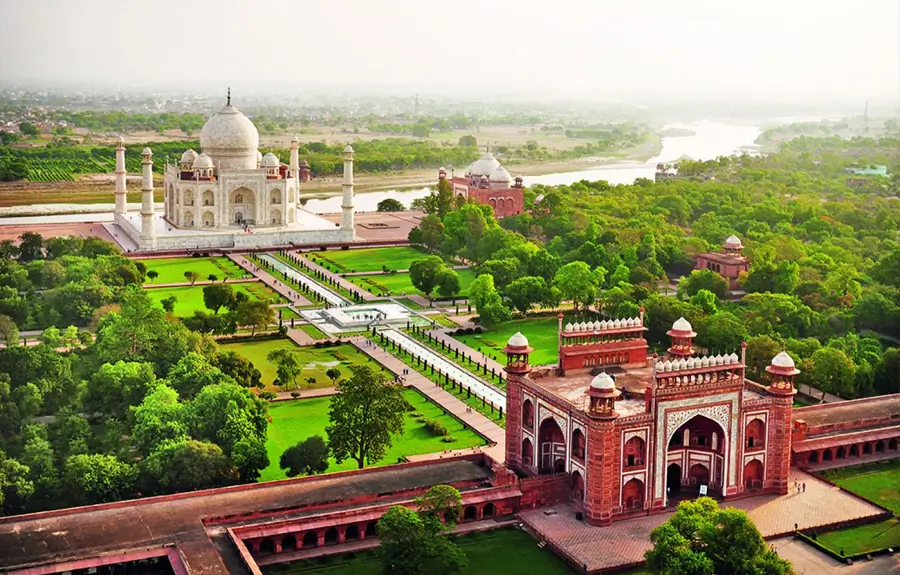
The next destination in the Golden Triangle Tour is Agra, located in Uttar Pradesh. Agra is globally famous for the Taj Mahal, one of the Seven Wonders of the World. Built by Emperor Shah Jahan in memory of his beloved wife Mumtaz Mahal, the Taj Mahal is a symbol of eternal love. Its white marble structure, intricate carvings, and perfect symmetry make it one of the most admired monuments in the world.
Apart from the Taj Mahal, Agra Fort is another significant attraction. This massive red sandstone fort served as the residence of Mughal emperors and offers a glimpse into the royal lifestyle of that era. Visitors can explore its palaces, courtyards, and halls that reflect the grandeur of Mughal architecture. Mehtab Bagh, located across the Yamuna River, provides a stunning view of the Taj Mahal, especially during sunset, making it a favorite spot for photographers.
The final destination of the Golden Triangle Tour is Jaipur, the capital city of Rajasthan, also known as the Pink City. Jaipur is famous for its royal heritage, magnificent forts, and vibrant culture. The city was planned according to traditional architectural principles and is known for its organized layout and colorful streets.
Amber Fort is one of the most iconic attractions in Jaipur. Located on a hilltop, the fort is known for its grand courtyards, intricate carvings, and mirror work. Visitors can reach the fort by jeep or enjoy a traditional elephant ride, adding a royal touch to the experience. The City Palace, located in the heart of Jaipur, offers a glimpse into the royal lifestyle and houses museums and artifacts.
Hawa Mahal, or the Palace of Winds, is another architectural marvel. Its unique honeycomb design with numerous small windows allowed royal women to observe street festivals without being seen. Jantar Mantar, a UNESCO World Heritage Site, is an astronomical observatory that showcases the scientific advancements of ancient India.
Jaipur is also a paradise for shopping enthusiasts. The local markets are filled with traditional handicrafts, jewelry, textiles, and souvenirs. Visitors can explore vibrant bazaars and take home a piece of Rajasthan’s rich culture.
One of the highlights of the Golden Triangle Tour is the diverse culinary experience it offers. Each city has its own specialty, from Delhi’s street food to Agra’s Mughlai dishes and Jaipur’s rich Rajasthani cuisine. Travelers can enjoy a variety of flavors that reflect India’s cultural diversity.
The best time to undertake the Golden Triangle Tour is from October to March, when the weather is pleasant and ideal for sightseeing. The tour usually takes 5 to 7 days, depending on the itinerary and travel preferences. The cities are well-connected by road, rail, and air, making travel convenient and comfortable.
In conclusion, the Golden Triangle Tour India is a perfect introduction to the country’s rich heritage and cultural diversity. It offers a well-balanced mix of history, architecture, cuisine, and local experiences. Whether you are a first-time visitor or an experienced traveler, this journey provides unforgettable memories and a deeper understanding of India’s timeless charm. The Golden Triangle truly represents the essence of India in one remarkable trip.
is one of the most popular and iconic travel circuits in the country. It connects three historically rich and culturally vibrant cities—Delhi, Agra, and Jaipur—forming a triangular route on the map. This journey offers travelers an incredible opportunity to experience India’s royal past, architectural brilliance, and diverse traditions within a short span of time.
The tour usually begins in Delhi, the capital city of India, which perfectly blends history with modernity. Delhi is divided into Old Delhi and New Delhi, each offering a unique experience. Old Delhi reflects the Mughal era with its narrow lanes, bustling markets, and historic monuments. The Red Fort, a UNESCO World Heritage Site, stands as a magnificent example of Mughal architecture. Jama Masjid, one of the largest mosques in India, attracts visitors with its grandeur and spiritual atmosphere. Chandni Chowk, one of the oldest markets, provides a vibrant experience of local life, street food, and traditional shopping.
New Delhi, on the other hand, showcases colonial and contemporary architecture. India Gate, a war memorial, stands proudly in the heart of the city. Rashtrapati Bhavan and Parliament House highlight the political significance of the capital. Qutub Minar, another UNESCO World Heritage Site, is an architectural masterpiece that reflects Indo-Islamic design. The city’s diverse culture, cuisines, and lifestyles make it a fascinating starting point for travelers.
The next destination in the Golden Triangle Tour is Agra, located in Uttar Pradesh. Agra is globally famous for the Taj Mahal, one of the Seven Wonders of the World. Built by Emperor Shah Jahan in memory of his beloved wife Mumtaz Mahal, the Taj Mahal is a symbol of eternal love. Its white marble structure, intricate carvings, and perfect symmetry make it one of the most admired monuments in the world.
Apart from the Taj Mahal, Agra Fort is another significant attraction. This massive red sandstone fort served as the residence of Mughal emperors and offers a glimpse into the royal lifestyle of that era. Visitors can explore its palaces, courtyards, and halls that reflect the grandeur of Mughal architecture. Mehtab Bagh, located across the Yamuna River, provides a stunning view of the Taj Mahal, especially during sunset, making it a favorite spot for photographers.
The final destination of the Golden Triangle Tour is Jaipur, the capital city of Rajasthan, also known as the Pink City. Jaipur is famous for its royal heritage, magnificent forts, and vibrant culture. The city was planned according to traditional architectural principles and is known for its organized layout and colorful streets.
Amber Fort is one of the most iconic attractions in Jaipur. Located on a hilltop, the fort is known for its grand courtyards, intricate carvings, and mirror work. Visitors can reach the fort by jeep or enjoy a traditional elephant ride, adding a royal touch to the experience. The City Palace, located in the heart of Jaipur, offers a glimpse into the royal lifestyle and houses museums and artifacts.
Hawa Mahal, or the Palace of Winds, is another architectural marvel. Its unique honeycomb design with numerous small windows allowed royal women to observe street festivals without being seen. Jantar Mantar, a UNESCO World Heritage Site, is an astronomical observatory that showcases the scientific advancements of ancient India.
Jaipur is also a paradise for shopping enthusiasts. The local markets are filled with traditional handicrafts, jewelry, textiles, and souvenirs. Visitors can explore vibrant bazaars and take home a piece of Rajasthan’s rich culture.
One of the highlights of the Golden Triangle Tour is the diverse culinary experience it offers. Each city has its own specialty, from Delhi’s street food to Agra’s Mughlai dishes and Jaipur’s rich Rajasthani cuisine. Travelers can enjoy a variety of flavors that reflect India’s cultural diversity.
The best time to undertake the Golden Triangle Tour is from October to March, when the weather is pleasant and ideal for sightseeing. The tour usually takes 5 to 7 days, depending on the itinerary and travel preferences. The cities are well-connected by road, rail, and air, making travel convenient and comfortable.
In conclusion, the Golden Triangle Tour India is a perfect introduction to the country’s rich heritage and cultural diversity. It offers a well-balanced mix of history, architecture, cuisine, and local experiences. Whether you are a first-time visitor or an experienced traveler, this journey provides unforgettable memories and a deeper understanding of India’s timeless charm. The Golden Triangle truly represents the essence of India in one remarkable trip.

 Turkish