


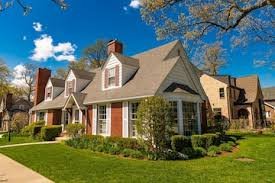
Thinking about buying in southeast Calgary and keep seeing Acadia pop up?
There’s a good reason.
Acadia gives you:
- A central SE location
- Solid older homes
- Real yards and trees
- Easy access to CTrain, Deerfoot, Macleod, and Glenmore
If you’re ready to explore current listings in Acadia, this guide will help you understand what you’re looking at and how to sort through it without getting overwhelmed.
I can’t show live listings here, but you’ll know how to read and compare what you see on realtor.ca or other sites.
Get your bearings: where Acadia is
Acadia sits in southeast Calgary, bounded roughly by:
- Heritage Drive on the north
- Southland Drive on the south
- Macleod Trail on the west
- Deerfoot Trail on the east
From most homes in Acadia you can:
- Drive downtown on Macleod or take the CTrain from Heritage or Southland
- Get onto Deerfoot in minutes for north–south drives
- Reach Glenmore Trail quickly to go east–west
- Hit Chinook Centre, Southcentre, grocery stores, and medical clinics without long trips
That location shapes what you see in the listings: you are paying partly for access and convenience, not just bricks and drywall.
What kinds of homes are for sale in Acadia
When you open up “Homes for sale in Acadia Calgary” on MLS® or an app, you’ll usually see a mix of four main types.
1. Detached houses
This is what most people picture when they think of Acadia.
Typical features:
- Built in the 1960s–1970s
- Mostly bungalows and split‑levels
- 3–4 bedrooms
- 1–3 bathrooms
- Full basements (finished or unfinished)
- Good‑sized lots with mature trees
- Single or double garages, or room to add one
Condition will vary a lot:
- Some homes are almost original inside
- Some have partial updates (kitchen or windows, but not all)
- Some are fully renovated with modern finishes
These work well for:
- Families
- First‑time buyers who want a house, not an apartment
- Investors looking for rental or suited properties
2. Semi‑detached / duplex homes
You’ll see some half‑duplex listings too.
Usually they have:
- 2–3 bedrooms
- 1–2 bathrooms
- Smaller yards than detached homes
- One shared wall with a neighbour
- Front or side parking, sometimes a single garage
They sit between townhouses and detached homes on price.
Good if you want a house feel and a yard, but your budget doesn’t stretch to a full detached place.
3. Townhomes
Townhouses sit in complexes with condo fees.
Typical traits:
- 2–3 bedrooms
- 1–2 bathrooms
- Two storeys, bedrooms up and living space down
- Small patio or fenced yard
- Assigned or stall parking
- Monthly condo fee
These are common “step up” homes for:
- First‑time buyers
- Small families
- Downsizers who still want a front door and a bit of outdoor space
4. Low‑rise condos
Closer to Macleod and busier roads, you’ll find apartment‑style condos.
Often:
- 1–2 bedrooms
- 1 bathroom
- Balcony
- Underground or surface parking
- Monthly condo fee
Cheapest entry price, least outdoor space.
Best if you care more about location and budget than yard and storage.
How price usually lines up in Acadia
Exact numbers change, but the pattern stays pretty steady:
From lowest price to highest, roughly:
- Condos – lowest buy‑in, highest reliance on condo fees
- Townhomes – more space, some yard, still with condo fees
- Duplexes – house and yard feel, no condo board, one shared wall
- Detached houses – most space and privacy, highest prices
Inside each type, price is pushed up or down by:
- How many bedrooms and bathrooms
- Whether the basement is finished or suite‑ready
- Garage (none / single / double)
- Updates to roof, windows, furnace, hot water tank
- Level of interior renovation (original vs modern)
- Street location (quiet interior vs backing a busy road)
When you compare current listings, keep those in mind more than just the asking price.
How to set up a good search for current Acadia listings
On realtor.ca, a brokerage site, or an app:
- Set community: Acadia
- Pick property types:
- House / Detached
- Duplex / Semi‑Detached
- Row/Townhouse
- Apartment (if you’re open to condos)
- Set price range:
- Based on what you’re truly comfortable paying each month, not the highest number your lender offers
- Beds / baths:
- For families: usually min 3 beds, 1.5+ baths
- For singles / couples: 1–2 beds may be fine
- Sort by:
- Newest to see current listings first
- Or Lowest price if budget is tight
Then build a short list.
Don’t keep 30 maybes.
Keep the 5–10 that really fit your needs and price.
Reading an Acadia listing properly
Once a listing hits your short list, slow down.
1. Check the basics
- Does the price match your range?
- Is the type what you want (house, duplex, townhouse, condo)?
- Enough bedrooms and bathrooms?
If any of those fail, drop it.
2. Scan the photos
Look at:
- Front of the home
- Kitchen
- Main living room
- Bathrooms
- Basement (if shown)
- Yard and garage/parking
You’re not grading décor.
You’re asking:
- Does the layout seem usable for how I live?
- Does the place look generally looked after or very tired?
3. Read the description for real info
Look for mentions of:
- “New roof (year)”
- “Updated windows”
- “High‑efficiency furnace”
- “New hot water tank”
- “Renovated kitchen / bathrooms”
- “Fully finished basement”
- “Separate entrance” or “suite” if you care about rental income
Caution words:
- “Handyman special”
- “Needs TLC”
- “Sold as‑is”
- “Evidence of moisture” or “some settling”
Those don’t mean “never”; they mean “be careful and expect work.”
4. Check the map
On the listing map, see:
- How close it is to Heritage or Southland CTrain
- Whether it’s on an inside street or on/near a busy road
- Distance to parks, schools, and shopping
If you already know Acadia, you’ll likely know which spots you prefer.
Who current Acadia listings tend to suit
Looking at what’s usually on the market, you’ll often find good fits for:
First‑time buyers
- Condos for the lowest buy‑in
- Townhomes for more space with shared upkeep
- Smaller or dated detached homes you can improve over time
Families
- 3–4 bedroom bungalows and splits with yards
- Homes near schools and parks
- Some fully renovated detached places ready to move into
Downsizers
- Bungalows with fewer stairs
- Townhomes with small yards and condo‑handled exteriors
- Condos close to shops and transit
Investors
- Suited or suite‑ready bungalows
- Duplexes with rental demand
- Condos and townhomes with reasonable fees and flexible rental rules
Street feel still matters more than photos
Two similar homes on paper can feel very different on the ground.
For any listing that looks good online:
-
Drive the street
- Are most yards roughly maintained?
- Is street parking jammed or manageable?
- Do you feel okay walking there in the evening?
-
Listen
- Constant loud traffic or mostly background noise?
- Loud commercial activity nearby or normal residential sounds?
-
Look around
- How far is the nearest park?
- Are there kids, dogs, people out at normal times?
If the block feels wrong, it doesn’t matter how nice the kitchen is.
What to check at showings
When you step inside, look beyond the staging.
Inside:
- Smell for mustiness, smoke, heavy air fresheners
- Walk each room and feel for soft, bouncy, or badly sloped floors
- Check ceilings for stains or patch jobs that might show leaks
- Try windows and doors – do they open and close smoothly?
- In the basement, watch for damp smell, water lines, or white powder on concrete
Outside:
- Look at the roof from the ground for curling, missing shingles, or sagging
- Check siding and trim for damage or rot
- See how the ground slopes – away from the house is best
- Look at garage condition and fence safety
You’re not doing a full inspection yourself.
You’re checking if it’s worth paying for one.
Don’t skip the inspection
Acadia is a mature area.
A professional inspection is important for any serious offer.
Ask the inspector to focus on:
- Roof and attic
- Foundation and basement moisture
- Furnace, hot water tank, and vents
- Electrical panel and visible wiring
- Plumbing (types of pipes, leaks, water pressure)
- Windows, doors, and insulation
Then use the report to decide:
- Is the price fair for the real condition?
- Are upcoming repairs within what you can handle?
If not, renegotiate or move on.
Simple plan to act on current listings
If you want to move from “just browsing” to “ready to buy”:
-
Work out a real monthly budget
- Mortgage, property tax, utilities, insurance, and condo fees (if any).
-
Get pre‑approved
- So you know your safe top price.
-
Set your must‑haves
- Number of bedrooms and baths
- Type of home (condo, townhouse, house)
- Yard or not
- Parking needs
-
Filter Acadia listings hard
- Only keep homes that actually meet your basics and budget.
-
Drive and walk the area
- Visit blocks at different times of day.
-
View your top few homes
- Take notes. Compare layout, feel, and condition.
-
Offer with conditions
- Financing and inspection conditions protect you.
-
Use the inspection to make a calm choice
- Move ahead if everything lines up.
- If not, keep watching the current listings. The next good one will come.
Acadia won’t give you the flash of a brand‑new suburb.
But it will give you:
- A central SE location
- A steady mix of homes for sale right now
- Enough variety that most budgets and life stages can find something
If you judge each listing by structure, layout, street, and total monthly cost, you’ll be able to pick out the Acadia home that actually fits how you live—not just how it looks online.

 English