


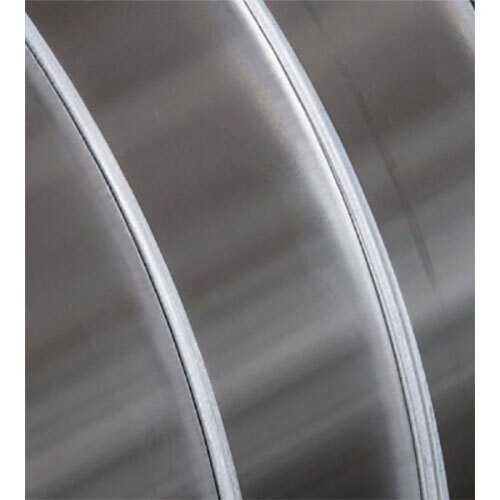
A lithium strip is a thin piece or ribbon of lithium metal widely used in laboratories, battery research, and various industrial applications. As lithium continues to play a crucial role in modern technology, especially in energy storage and electronics, lithium strips have become an essential material for scientists, engineers, and manufacturers.
Lithium is known as the lightest metal in the periodic table, with unique chemical and physical properties that make it extremely valuable in many industries. Lithium strips are commonly used in battery production, chemical reactions, and scientific experiments due to their high reactivity and conductivity.
In this article, we will explore what lithium strips are, their properties, uses, advantages, and safety considerations.
What is a Lithium Strip
A lithium strip is a thin, flat piece of lithium metal that is typically stored in oil or inert environments to prevent reaction with moisture or oxygen. Lithium is highly reactive, especially with water and air, so proper handling and storage are extremely important.
Lithium strips are usually produced through metal processing techniques that shape lithium into narrow strips or ribbons. These strips are used for research, energy storage technologies, and chemical applications.
Lithium strips are popular in:
-
Battery manufacturing
-
Chemical laboratories
-
Scientific research
-
Electronics industry
-
Metal processing
Because lithium has excellent electrochemical properties, it is one of the most important materials in modern energy systems.
Properties of Lithium Strip
Lithium metal has several unique characteristics that make lithium strips valuable in many fields.
1. Lightweight Metal
Lithium is the lightest metal and the least dense solid element. This property makes it ideal for applications where weight reduction is important, such as batteries and aerospace components.
2. High Reactivity
Lithium is highly reactive, especially with water and oxygen. When exposed to water, lithium produces hydrogen gas and lithium hydroxide. Because of this property, lithium strips must be handled carefully.
3. Excellent Electrical Conductivity
Lithium has good electrical conductivity, making it suitable for electrochemical reactions and battery technology.
4. High Energy Density
Lithium is widely used in batteries because it provides high energy density, meaning it can store a large amount of energy in a small volume.
5. Soft and Flexible Metal
Lithium metal is soft enough to be cut into strips using simple tools in controlled environments.
Common Uses of Lithium Strip
Lithium strips are used in a wide range of industries due to their chemical and electrical properties.
1. Lithium Battery Research
One of the most important uses of lithium strips is in lithium battery development. Scientists use lithium strips to study battery performance, electrode behavior, and electrochemical reactions.
Lithium metal strips are often used in:
-
Lithium-ion battery research
-
Lithium-metal battery development
-
Solid-state battery testing
2. Chemical Reactions in Laboratories
Lithium strips are frequently used in laboratories for chemical experiments. Because lithium is highly reactive, it helps researchers study metal reactions, redox reactions, and synthesis processes.
3. Manufacturing of Lithium Compounds
Lithium strips can be used as a raw material in the production of lithium compounds such as:
-
Lithium carbonate
-
Lithium hydroxide
-
Lithium chloride
These compounds are essential for battery production, pharmaceuticals, and ceramics.
4. Metal Research and Material Science
Researchers in material science use lithium strips to explore new energy storage technologies and advanced materials.
5. Educational Experiments
Lithium strips are sometimes used in chemistry demonstrations to show how alkali metals react with water and other substances.
Advantages of Using Lithium Strips
Lithium strips offer several benefits that make them valuable in scientific and industrial fields.
High Energy Efficiency
Lithium provides superior energy storage capability compared to many other metals.
Versatile Applications
Lithium strips can be used in various industries including electronics, research laboratories, and energy production.
Essential for Modern Batteries
Many advanced battery technologies depend on lithium-based materials.
Easy to Shape and Process
Because lithium is soft, it can be easily shaped into strips or sheets for different applications.
Safety Considerations When Handling Lithium Strips
Lithium metal is extremely reactive, so proper safety procedures are necessary when working with lithium strips.
Avoid Contact with Water
Lithium reacts strongly with water, producing heat and hydrogen gas, which can be dangerous.
Store in Oil or Inert Atmosphere
Lithium strips are usually stored in mineral oil or inert gas environments to prevent oxidation.
Use Protective Equipment
When handling lithium strips, it is important to wear:
-
Safety gloves
-
Protective eyewear
-
Lab coats
Work in Controlled Environments
Lithium should only be handled in dry laboratory environments or glove boxes to reduce risk.
Future Importance of Lithium in Technology
Lithium has become one of the most important elements in modern technology. With the growing demand for electric vehicles, renewable energy storage, and portable electronics, lithium usage is expected to increase significantly.
Lithium strips will continue to play a crucial role in research and development of next-generation batteries, including:
-
Solid-state batteries
-
High-capacity lithium-metal batteries
-
Advanced energy storage systems
As technology evolves, lithium-based materials will remain essential for improving energy efficiency and sustainability.
FAQs About Lithium Strip
1. What is a lithium strip used for?
A lithium strip is commonly used in battery research, laboratory experiments, and chemical manufacturing. It plays a key role in studying electrochemical reactions.
2. Why is lithium stored in oil?
Lithium is highly reactive with air and moisture. Storing it in oil prevents it from reacting with oxygen and water.
3. Is lithium metal dangerous?
Lithium can be hazardous if handled incorrectly. It reacts with water and can produce heat and hydrogen gas, so proper safety precautions are required.
4. Can lithium strips be used in batteries?
Yes. Lithium strips are often used in battery research and development, particularly for lithium-metal battery technologies.
5. How should lithium strips be stored?
Lithium strips should be stored in sealed containers under mineral oil or inert gas to prevent oxidation and moisture exposure.
Conclusion
A lithium strip is a valuable material used in scientific research, battery development, and chemical manufacturing. Its lightweight nature, high energy density, and excellent electrochemical properties make it essential in modern technology.
From powering advanced batteries to supporting chemical reactions in laboratories, lithium strips have become an important component in many industries. However, because lithium is highly reactive, proper handling, storage, and safety precautions are necessary.
As the demand for energy storage systems, electric vehicles, and portable electronics continues to grow, lithium-based materials will remain at the center of technological innovation.

 Turkish