


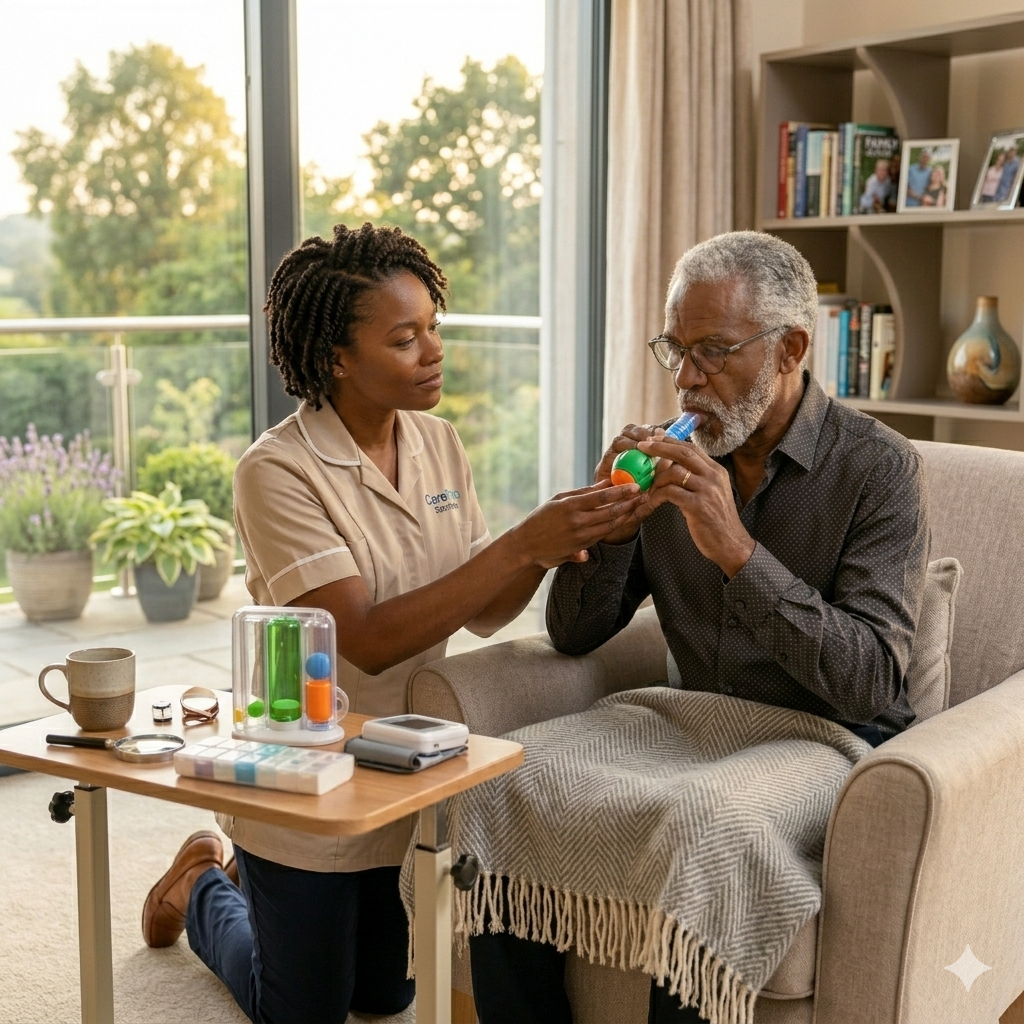
Good nutrition is the foundation of healthy aging, yet it is often the first habit to slip when shopping, cooking, or even remembering to eat becomes difficult. Personal care supports these everyday choices, turning good intentions into consistent routines that strengthen both body and mind. Understanding the critical connection between daily assistance and nutritional wellness helps families recognize that personal care isn't just about safety—it's about creating conditions where seniors can truly thrive.
Why Eating Well Becomes Harder With Age
Seniors face many barriers to proper nutrition that compound over time, creating dangerous cycles of decline. Limited energy for meal preparation means cooking feels exhausting rather than enjoyable. What once took thirty minutes now requires hours, leaving seniors too tired to eat what they've prepared.
Decreased sense of taste makes food less appealing. The flavors that once brought pleasure fade, making meals feel like obligations rather than pleasures. This sensory decline reduces appetite and interest in eating, even when the body desperately needs nutrition.
Difficulty chewing or swallowing creates fear around eating. Dental problems, dry mouth, or swallowing disorders make consuming food uncomfortable or even frightening. Seniors may avoid nutritious proteins and vegetables that require chewing, surviving instead on soft, often less nutritious options.
Forgetting regular mealtimes disrupts the body's nutritional rhythm. Seniors may eat breakfast at noon, skip lunch entirely, or go to bed without dinner simply because time becomes fluid and hunger signals diminish. This irregular eating pattern affects digestion, energy, and overall health.
Trouble carrying groceries creates a barrier before cooking even begins. Heavy bags strain arthritic hands, balance challenges make navigating stores dangerous, and driving to markets becomes increasingly difficult. Without groceries, proper nutrition becomes impossible.
Depression and loneliness significantly impact eating habits. The effort of preparing and eating meals alone feels pointless. Many seniors report that food loses all appeal when consumed in isolation, leading to dangerous weight loss and malnutrition despite available food.
Without support, meals may become simple snacks or be skipped entirely, leading to weakness and illness. The malnutrition that results creates a vicious cycle: weakness makes cooking harder, which leads to poorer eating, which causes more weakness. Personal care intervention breaks this destructive pattern.
Building Gentle, Reliable Meal Routines
Regular assistance brings structure back to the day, transforming nutrition from struggle to sustainable routine. Caregivers help plan balanced meals that include appropriate proteins, vegetables, fruits, and whole grains. This planning ensures variety and complete nutrition rather than the repetitive, limited menus many isolated seniors fall into.
Encouraging hydration addresses the widespread dehydration affecting older adults. Many seniors simply forget to drink, while others avoid fluids due to mobility issues that make frequent bathroom trips challenging. Personal care providers offer regular reminders and ensure water remains accessible and appealing.
Ensuring food is easy to enjoy involves adapting textures for chewing difficulties, enhancing flavors for diminished taste, and presenting meals attractively to stimulate appetite. These small adaptations make the difference between food consumed and food wasted.
Consistency improves digestion, energy levels, and overall mood. When meals happen at regular times, the body's digestive system functions more efficiently. Blood sugar stabilizes, energy becomes more predictable, and mood improves with proper nourishment.
Typical personal care support includes preparing nutritious breakfasts that provide the energy needed to start each day positively. A balanced breakfast stabilizes blood sugar, improves cognitive function, and sets healthy patterns for the rest of the day.
Offering reminders to drink water throughout the day prevents the dehydration that causes confusion, weakness, urinary tract infections, and falls. Adequate hydration supports every bodily function and is often overlooked by seniors living alone.
Helping with grocery choices ensures pantries stock appropriate foods matching dietary needs, preferences, and budgets. Personal care providers can shop with or for seniors, selecting fresh produce, lean proteins, and whole grains while avoiding processed foods high in sodium and sugar.
Adapting meals to medical needs accommodates diabetes, heart disease, kidney problems, or other conditions requiring dietary modifications. Caregivers work with healthcare providers to implement recommended nutrition plans without making food feel restrictive or unpleasant.
Eating becomes a pleasant part of the day again rather than a chore to be endured or avoided. The social aspect of shared meals, the relief from cooking burdens, and the improved quality of food all contribute to renewed pleasure in eating.
Wellness Beyond the Plate
Nutrition connects closely with other aspects of well-being in ways that surprise many families. When seniors eat better, they often sleep more soundly as stable blood sugar prevents nighttime waking and proper nutrition supports natural sleep rhythms.
Walking with greater strength becomes possible when muscles receive adequate protein. The weakness that makes mobility difficult often stems from poor nutrition rather than aging itself. Proper diet rebuilds strength that restores confidence in movement.
Thinking more clearly improves as the brain receives necessary nutrients and stable energy. The confusion many attributes to dementia sometimes actually results from malnutrition or dehydration. Proper nutrition can restore cognitive clarity dramatically.
Experiencing fewer infections reflects improved immune function from adequate vitamins, minerals, and protein. Malnourished bodies cannot fight off common illnesses, leading to frequent infections requiring antibiotics and sometimes hospitalization.
Support with daily living creates a positive cycle of health where better nutrition enables more activity, which improves appetite, which supports better nutrition. This upward spiral contrasts sharply with the downward spiral of isolation, poor eating, weakness, and further isolation.
Monitoring Changes Early
Regular interaction allows caregivers to notice warning signs such as weight loss, poor appetite, or difficulty swallowing. These observations made during daily meal preparation and sharing, catch problems before they become medical emergencies.
Weight loss in seniors often signals serious underlying issues—depression, cancer, thyroid problems, or simple inability to feed oneself adequately. Personal care providers track weight trends and alert families and healthcare providers to concerning changes.
Poor appetite may indicate medication side effects, dental problems, depression, or illness. Early identification allows intervention before severe malnutrition develops. Sometimes simple solutions—changing medication timing, treating dental issues, or addressing depression—restore appetite quickly.
Difficulty swallowing can signal stroke, neurological conditions, or esophageal problems. Early attention prevents the aspiration pneumonia that kills many seniors when food or liquid enters lungs. Speech therapy or diet modifications can address swallowing issues before they become life-threatening.
Early attention prevents serious complications and unnecessary hospital visits. Many hospitalizations for malnutrition, dehydration, or related complications are entirely preventable with proper daily nutritional support.
Encouraging Independence in Choices
Assistance does not mean taking over decisions. Personal care that respects dignity involves seniors in all food-related choices. Seniors are invited to share favorite recipes, ensuring comfort remains part of the diet and precious family traditions continue.
Choosing menus gives control over what appears on the plate. While caregivers may suggest balanced options, the senior makes final selections based on preferences and appetite that particular day.
Participating in preparation as they are able maintains skills and provides purposeful activity. Washing vegetables, stirring ingredients, or setting the table allows contribution without demanding capabilities that no longer exist.
Respecting preferences keeps dignity intact and improves consumption. Food prepared according to individual tastes gets eaten; institutional-feeling meals get wasted. Personal care honors each person's unique palate and cultural food traditions.
The Emotional Side of Meals
Food is tied to memories and comfort in profound ways. The smell of grandmother's soup, the taste of holiday dishes, the ritual of Sunday breakfast—these connections run deep. Personal care that honors food's emotional dimension provides more than nutrition.
Sharing conversation during meals reduces loneliness and encourages better intake. Many seniors eat more when company is present, as meals transform from solitary obligations into social pleasures. The conversation stimulates while the companionship comforts.
Table fellowship addresses the emotional hunger that is often as profound as physical hunger. Being truly seen and heard while eating satisfies needs that food alone cannot meet.
Supporting Specific Nutritional Needs
Chronic conditions often require special diets that feel overwhelming to manage alone. Caregivers help follow doctor recommendations—low sodium for heart disease, diabetic-friendly for blood sugar control, or heart-healthy plans for cardiovascular conditions—without making food feel restrictive.
The skill lies in creating appealing meals within dietary constraints. Low-sodium doesn't mean flavorless; diabetic-friendly doesn't mean deprivation. Personal care providers learn to prepare delicious food that also supports health conditions.
Families feel the difference.
Relatives frequently notice improved appearance—better skin color, brighter eyes, improved posture—when nutrition improves. Improved energy becomes obvious as seniors engage more actively with life. Fewer concerns about dehydration lift constant worry. Less stress around grocery shopping frees family time for genuine connection.
Knowing a loved one is eating well lifts a heavy burden from adult children juggling work, their own families, and parent care.
Wellness as a Daily Practice
True health is built through small, repeated actions rather than dramatic interventions. With gentle reminders and practical help, seniors regain habits that protect their future rather than reacting to problems after they occur.
At Riverwood Retirement, personal care is centered on nourishing both body and spirit, ensuring older adults receive the meals, hydration, and daily support that lead to a stronger, healthier living.

 Turkish