


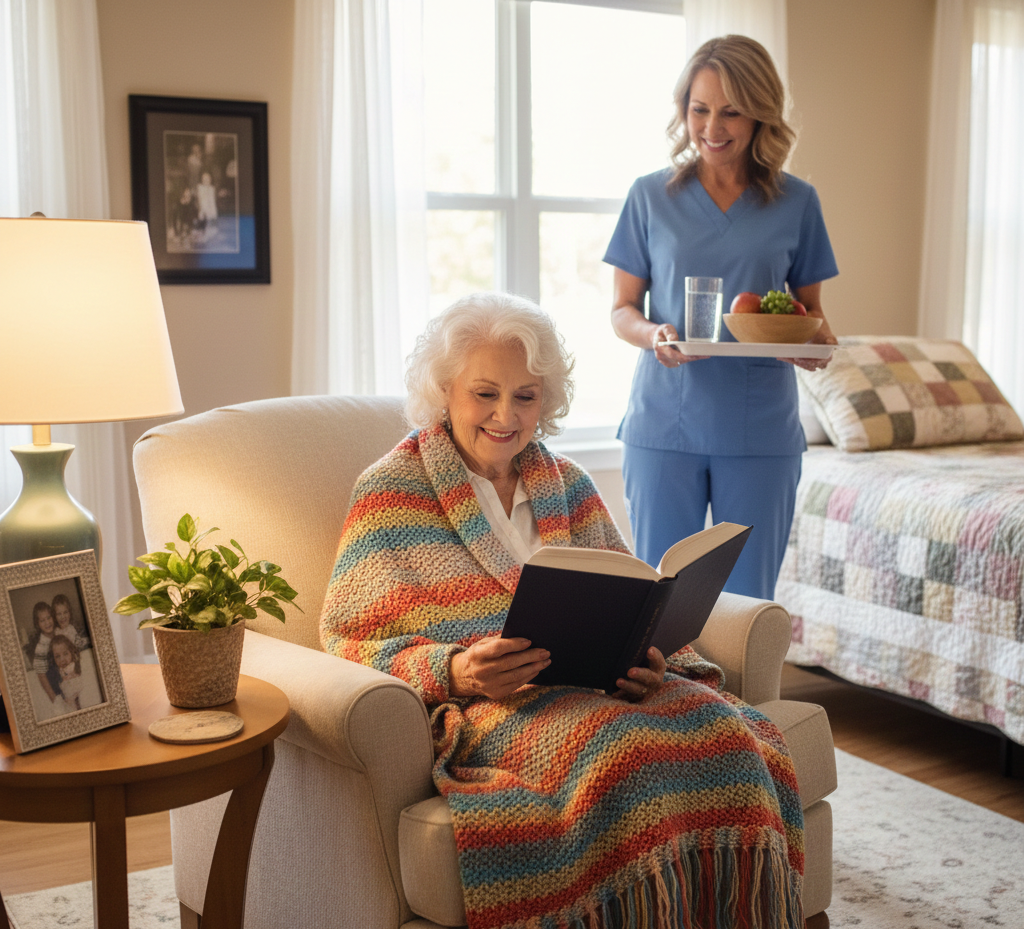
Life rarely moves in straight lines. Even for seniors who have lived independently for decades, there are seasons when a little extra help becomes necessary. A hospital recovery, a caregiver's vacation, home repairs, or simply a period of uncertainty about the future can create gaps in daily support. Short-term stays in senior living communities are designed specifically for these moments. They provide comfort, structure, and professional care without requiring a permanent decision.
Rather than being a last resort, short-term stays have become a practical and positive option that allows seniors to receive the right level of assistance for exactly the amount of time they need.
Support During Recovery and Rehabilitation
Returning home after surgery or illness often sounds comforting, yet the reality can be challenging. Simple tasks—getting in and out of bed, preparing meals, managing new medications—may suddenly feel overwhelming. Short-term stays provide a bridge between the hospital and home, giving seniors time to regain strength in a safe environment.
Residents receive help with mobility, bathing, dressing, and medication reminders while following their doctor's recovery plan. Nutritious meals are served daily, eliminating the need to shop or cook while energy is low. Accessible apartments, handrails, and emergency call systems reduce the risk of falls during this vulnerable period.
Most importantly, seniors can focus on healing instead of worrying about laundry, cleaning, or transportation to follow-up appointments. Families gain peace of mind knowing that progress is being gently monitored by trained staff.
Relief for Family Caregivers
Many older adults rely on spouses, adult children, or relatives for day-to-day help. While caregiving is an act of love, it can also be physically and emotionally exhausting. Short-term stays offer caregivers the chance to rest, travel, or manage their own health without fear or guilt.
During this time, professionals take over responsibilities such as medication management, meal preparation, and supervision. Families can return to being sons, daughters, and partners rather than full-time caregivers. Visits become about conversation and companionship instead of task lists and stress.
This temporary break often renews energy on both sides and strengthens relationships that may have become strained under the weight of constant care.
A Comfortable Change of Scenery
After weeks of being homebound, many seniors feel lonely or restless. Short-term stays introduce a fresh environment filled with conversation, laughter, and routine. Shared dining rooms, activity spaces, and outdoor areas naturally encourage social interaction.
Even residents who initially feel hesitant often discover that the atmosphere is warm rather than clinical. Friendly greetings in the hallway, a card game after lunch, or a group outing can quickly lift spirits. A short stay can restore motivation and remind seniors that life still holds opportunities for connection.
Personalized Levels of Help
No two seniors need exactly the same support. One person may simply want meals and housekeeping, while another requires help with bathing, mobility, or therapy exercises. Short-term stays are flexible, adjusting services to match individual circumstances.
This personalized approach prevents both extremes: too much assistance that reduces independence or too little that creates risk. Seniors receive practical help while continuing to do what they can for themselves, protecting dignity and confidence.
A Gentle Introduction to Senior Living
For families who are considering long-term senior living but feel uncertain, a short-term stay becomes a valuable trial experience. Instead of making decisions during a crisis, seniors can explore community life at their own pace.
They meet staff, taste the meals, join activities, and discover whether the environment feels like a good fit. Many realize that senior living is far more vibrant than they imagined. Even those who return home leave with clearer expectations and less fear about the future.
Stability During Life Transitions
There are many practical situations where short-term stays make sense. A senior may be waiting for home renovations to finish, selling a house, or relocating closer to family. Winter weather might make living alone risky, or a spouse may be hospitalized.
During these uncertain weeks, a senior living community provides structure and predictability. Instead of juggling temporary apartments, in-home aids, and meal services, everything is organized in one supportive place.
Enrichment Instead of Boredom
Time passes differently in a community setting. Days include options such as gentle exercise classes, music programs, worship services, educational talks, and local outings. These activities are not mandatory, yet they offer purpose and rhythm.
Rather than watching television alone, seniors rediscover hobbies and interests. Mental stimulation and social engagement often improve sleep, appetite, and overall outlook within a surprisingly short time.
Professional Oversight and Early Intervention
One of the quietest but most important benefits of short-term stays is daily observation. Trained staff notice subtle changes—reduced appetite, new confusion, swelling in the legs, or unusual fatigue. These signs can be addressed early before they turn into emergencies.
Families at home may not recognize these details, especially if they live far away. Having knowledgeable eyes present each day protects seniors from preventable setbacks.
A Practical Financial Choice
Coordinating in-home care can quickly become complicated and expensive. Hiring separate caregivers, arranging meal delivery, and paying for transportation often costs more than expected. Short-term stays combine housing, meals, activities, and assistance into one predictable plan.
For many families, this simplicity is not only affordable but also far easier to manage during stressful periods.
Restoring Confidence and Independence
Perhaps the greatest gift of a short-term stay is renewed confidence. Seniors who arrive feeling weak or anxious often leave stronger, more social, and more hopeful. They remember what it feels like to have energy, routine, and companionship.
Some return home with new habits and a clearer plan for staying safe. Others choose to extend their stay because they enjoy the lifestyle. In either case, the experience becomes a positive turning point rather than a setback.
Meeting Temporary Needs With Respect
Short-term stays recognize an important truth: needing help for a season does not mean losing independence forever. They honor the reality that aging includes transitions, recoveries, and changing circumstances.
By offering support only when it is needed, these programs protect dignity while solving practical problems. Seniors remain in control of their decisions, and families remain confident that their loved ones are safe.
For families seeking a flexible answer to temporary needs, Regency Retirement Jackson offers short-term stays that combine comfort, attentive care, and a welcoming community—providing exactly the right support for exactly the right amount of time.

 English