


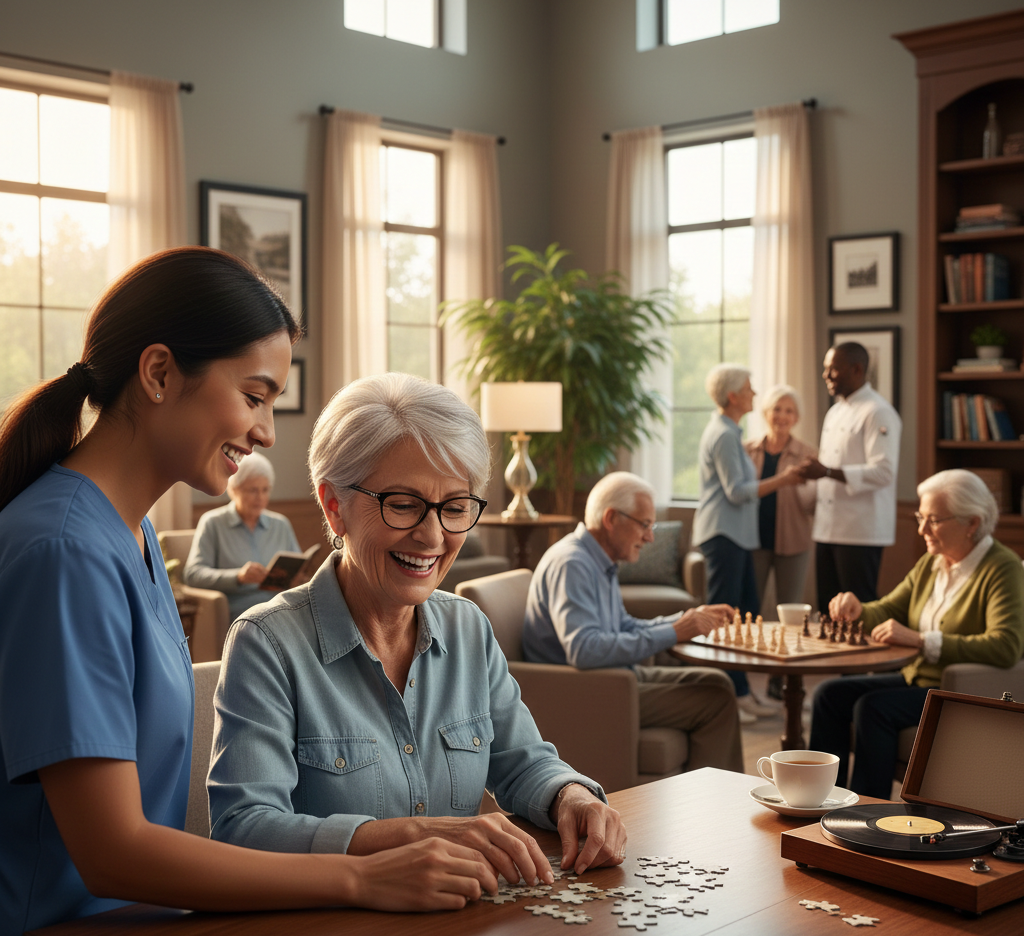
Assisted living communities are not just about providing support—they are about enabling seniors to live meaningful, engaged lives. Maintaining hobbies, interests, and personal passions is vital for emotional well-being, cognitive health, and overall satisfaction. Assisted living provides the structure, resources, and opportunities that allow seniors to continue pursuing the activities they love while receiving support with daily living.
The Importance of Staying Passionate in Later Life
Retirement and aging often bring significant life changes: children move away, physical abilities may decline, and routines shift. Maintaining hobbies and interests gives seniors a sense of purpose, identity, and joy. Whether it’s painting, gardening, reading, or volunteering, engaging in passions promotes self-esteem, mental stimulation, and emotional balance.
Structured Support That Enables Independence
Assisted living combines support with independence. Residents receive help with daily tasks such as bathing, medication management, and housekeeping. This support removes the stress of day-to-day responsibilities, freeing seniors to focus on their hobbies and interests. When seniors don’t have to worry about chores or transportation, they can dedicate more time and energy to what matters most.
Access to Dedicated Spaces and Resources
Many assisted living communities offer facilities that nurture passions. Art studios, fitness centers, libraries, and gardens are common features that allow residents to practice and explore their interests. With the proper resources at hand, seniors can continue hobbies they’ve loved for years or even discover new ones in a supportive environment.
Social Interaction Enhances Enjoyment
Sharing hobbies with peers adds a social dimension to personal passions. Group classes, clubs, or collaborative projects create opportunities for connection, conversation, and shared enjoyment. Seniors benefit from encouragement, feedback, and friendship while engaging in activities they love, reinforcing both mental and emotional well-being.
Lifelong Learning Opportunities
Assisted living communities often offer workshops, educational programs, and skill-building sessions. Seniors can take courses in subjects they enjoy or explore entirely new interests. Lifelong learning keeps the mind sharp, provides mental stimulation, and introduces opportunities for new friendships. Engaging in new challenges fosters confidence and satisfaction, showing that age is no barrier to growth.
Physical Activity as a Passion
For many seniors, physical activity is a central interest—yoga, swimming, walking clubs, or dance classes. Assisted living communities offer safe, supervised programs that encourage movement, improve health, and make exercise enjoyable. Maintaining physical passions not only supports mobility and strength but also improves mood, cognitive function, and overall quality of life.
Creative and Artistic Expression
Artistic expression is another area where seniors thrive. Painting, drawing, music, and crafts provide emotional outlets and promote mental stimulation. These activities also allow seniors to express themselves and celebrate achievements, which contributes to self-esteem and a sense of accomplishment. Assisted living communities provide the materials, spaces, and guidance to help residents cultivate these passions fully.
Mental Engagement Through Hobbies
Engaging in hobbies challenges the brain and encourages cognitive function. Strategic thinking, memory recall, problem-solving, and fine motor skills are all exercised through activities such as puzzles, card games, or woodworking. Assisted living communities integrate these opportunities into daily routines, helping seniors stay mentally active while enjoying meaningful pastimes.
Personalized Programs and Guidance
Assisted living staff work closely with residents to understand their interests and design personalized activity plans. Whether it’s weekly painting classes, gardening schedules, or volunteering opportunities, staff ensure that passions are accessible and tailored to individual abilities. This personalized approach enhances participation and ensures that seniors feel valued and fulfilled.
Overcoming Physical Limitations
Some seniors may face mobility or health challenges that make certain activities difficult at home. Assisted living provides adaptive equipment, staff support, and modifications to allow continued engagement. For example, raised garden beds, ergonomic tools, or seated exercise programs enable seniors to maintain hobbies safely and confidently.
Emotional Benefits of Pursuing Passions
Engaging in meaningful activities reduces stress, alleviates anxiety, and improves overall emotional health. Pursuing passions reinforces identity and self-worth, reminding seniors of their capabilities and contributions. Feeling accomplished in daily pursuits fosters confidence and happiness, enhancing the overall quality of life.
Social and Community Benefits
Pursuing interests within a community provides a sense of belonging. Seniors can share experiences, celebrate achievements, and collaborate on projects. Social engagement strengthens connections, combats isolation, and supports emotional resilience. Assisted living communities create environments that balance independence with community, encouraging seniors to share their passions freely.
Encouraging Exploration and New Interests
Assisted living is not just about maintaining old hobbies; it’s about discovery. Seniors are encouraged to try new activities, join classes, or participate in community events. Exploring new interests enhances curiosity, mental flexibility, and excitement for life, reinforcing a sense of autonomy and adventure.
Confidence and Purpose Through Engagement
Participating in hobbies and meaningful activities contributes to a sense of purpose. Seniors who remain active and engaged feel empowered, capable, and confident in their daily lives. These experiences reinforce independence and create opportunities for positive self-expression and personal satisfaction.
Practical Support for Ongoing Interests
Assisted living communities remove barriers that might prevent seniors from pursuing their passions. Transportation for outings, access to materials, scheduling assistance, and gentle reminders all ensure that residents can participate fully. By addressing logistical challenges, seniors are free to focus on what they enjoy most.
Celebrating Achievements
Recognition of accomplishments, whether a completed painting, a successful gardening project, or mastery of a new skill, enhances confidence and emotional well-being. Assisted living communities celebrate these milestones, encouraging continued participation and growth.
Long-Term Benefits for Health and Happiness
Maintaining passions supports cognitive, physical, and emotional health. Residents who engage regularly in meaningful activities report higher satisfaction, better mood, and sustained cognitive abilities. Assisted living ensures that seniors experience these benefits consistently, integrating wellness into everyday life.
At Regency Senior Living, assisted living programs are designed to empower seniors to live life fully while pursuing the passions that bring them joy. Every activity, service, and support system is thoughtfully tailored to ensure residents maintain independence, mental engagement, and a deep sense of fulfillment each day.

 Turkish