


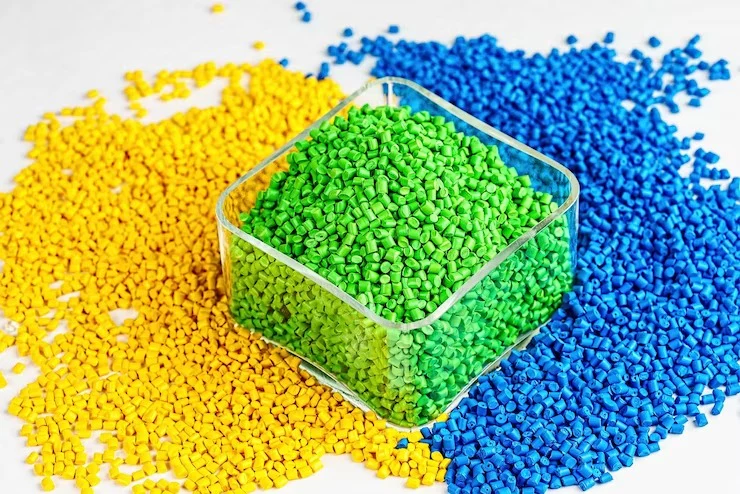
Plastic waste is one of the biggest environmental challenges in today’s world. Every year, millions of tons of plastic are thrown away, creating pollution and harming nature. Recycling plastic is one of the best solutions to reduce this problem. One of the most useful products of plastic recycling is plastic recycled granules, which are small pellets made from processed plastic waste. These granules are widely used in manufacturing new plastic products and play an important role in creating a cleaner and more sustainable future.
In this article, we will explore the key properties of plastic recycled granules for production. We will explain their features in very simple language, discuss their benefits, types, quality factors, and how they are used in different industries. This guide will help manufacturers, students, and anyone interested in recycling understand why these granules are so valuable.
Understanding Plastic Recycled Granules
Plastic recycled granules are tiny, uniform pellets made by processing used plastic materials. The waste plastic is collected, cleaned, shredded, melted, and then shaped into small granules. These granules become raw material for making many new plastic products.
Because they are recycled, these granules help reduce the need for new plastic production. This saves natural resources, lowers energy use, and reduces pollution. Manufacturers prefer granules because they are easy to handle, store, transport, and use in machines.
Why Plastic Recycled Granules Are Important for Production
Plastic recycled granules are important because they support sustainable manufacturing. Instead of using fresh plastic made from petroleum, industries can reuse old plastic waste. This helps protect the environment and reduces production costs.
Some major benefits include:
-
Lower manufacturing costs
-
Reduced environmental impact
-
Less plastic waste in landfills and oceans
-
Energy savings during production
-
Support for a circular economy
Because of these benefits, the demand for recycled granules is increasing across many industries.
Key Properties of Plastic Recycled Granules
To be useful in production, recycled granules must have certain properties. These properties decide how well the granules perform during processing and in the final product. Let us explore these key properties in detail.
1. Uniform Size and Shape
One of the most important properties of recycled granules is uniform size and shape. Granules should be similar in size so they can flow smoothly through machines.
Uniform granules help in:
-
Smooth melting
-
Even mixing
-
Better product quality
-
Reduced machine blockage
When granules are consistent, production becomes faster, more efficient, and less wasteful.
2. Good Melting Flow
Melting flow refers to how easily the granules melt when heated. Good melting flow ensures that the material spreads evenly inside molds.
This property is important because:
-
It helps in making smooth and strong products
-
It reduces defects like bubbles or cracks
-
It improves surface finish
Granules with good melting flow are ideal for injection molding, extrusion, and blow molding processes.
3. High Strength and Durability
Even though recycled, granules should offer good strength and durability. This means the final products should not easily break, crack, or deform.
Strong recycled granules are suitable for making:
-
Buckets and containers
-
Pipes and fittings
-
Plastic furniture
-
Packaging materials
High durability ensures longer product life and customer satisfaction.
4. Chemical Resistance
Plastic recycled granules should resist chemicals like acids, oils, detergents, and cleaning agents. Chemical resistance is important for products that come in contact with harsh substances.
This property is useful in making:
-
Chemical containers
-
Cleaning product bottles
-
Industrial storage tanks
-
Automotive parts
Good chemical resistance improves product safety and lifespan.
5. Thermal Stability
Thermal stability means the granules can handle high temperatures during processing without breaking down.
This property helps in:
-
Maintaining product shape
-
Preventing discoloration
-
Avoiding material degradation
Thermally stable granules allow smooth production and consistent product quality.
6. Low Moisture Content
Moisture in granules can cause defects during manufacturing. High moisture levels can lead to bubbles, weak structure, and rough surfaces.
Quality recycled granules should have low moisture content, ensuring:
-
Smooth processing
-
Better surface finish
-
Stronger products
Drying processes are often used before production to remove moisture.
7. Consistent Color
Color consistency is important, especially for visible products. Granules should have uniform color to produce visually appealing items.
This helps in:
-
Making attractive consumer products
-
Reducing color variation
-
Improving brand appearance
Some granules are natural in color, while others can be dyed as needed.
8. Cleanliness and Purity
Recycled granules should be free from dirt, metal, paper, and other contaminants. Clean granules ensure better processing and product safety.
High purity granules:
-
Improve machine performance
-
Reduce wear and tear
-
Enhance final product quality
Proper washing and filtration during recycling are essential to maintain cleanliness.
Types of Plastic Recycled Granules
Different plastics are recycled into granules. Each type has unique properties and uses.
1. HDPE Recycled Granules
High-Density Polyethylene granules are strong, lightweight, and chemical-resistant.
Common uses:
-
Bottles
-
Pipes
-
Containers
-
Crates
2. LDPE Recycled Granules
Low-Density Polyethylene granules are flexible and soft.
Common uses:
-
Plastic bags
-
Sheets
-
Wrapping films
-
Squeeze bottles
3. PP Recycled Granules
Polypropylene granules are tough and heat-resistant.
Common uses:
-
Food containers
-
Automotive parts
-
Furniture
-
Household items
4. PET Recycled Granules
Polyethylene Terephthalate granules are clear and strong.
Common uses:
-
Beverage bottles
-
Food packaging
-
Fibers for clothing
-
Straps
5. PVC Recycled Granules
Polyvinyl Chloride granules are durable and versatile.
Common uses:
-
Pipes
-
Cable insulation
-
Flooring
-
Window frames
Manufacturing Process of Plastic Recycled Granules
Understanding the production process helps explain how quality properties are achieved.
Step 1: Collection and Sorting
Waste plastic is collected from homes, industries, and waste centers. It is sorted by type, color, and quality.
Step 2: Washing and Cleaning
Plastic waste is washed to remove dirt, labels, oil, and other impurities.
Step 3: Shredding
Clean plastic is cut into small pieces using shredding machines.
Step 4: Melting and Extrusion
Shredded plastic is melted and passed through extruders to form long strands.
Step 5: Granulation
The melted strands are cooled and cut into small granules.
Step 6: Quality Testing and Packaging
Granules are tested for quality and packed for supply.
Quality Factors That Affect Recycled Granules
Several factors influence the quality of recycled granules.
Raw Material Quality
Clean and sorted waste plastic produces better granules.
Processing Technology
Advanced machines ensure uniform melting, filtering, and shaping.
Cleaning Efficiency
Better washing leads to higher purity granules.
Temperature Control
Correct heating prevents material damage.
Skilled Workforce
Experienced operators ensure consistent quality.
Advantages of Using Plastic Recycled Granules in Production
Using recycled granules offers many advantages.
Environmental Benefits
-
Reduces plastic waste
-
Saves natural resources
-
Lowers carbon footprint
-
Protects ecosystems
Economic Benefits
-
Lower raw material costs
-
Reduced energy use
-
Higher profit margins
-
Affordable products
Industrial Benefits
-
Easy processing
-
Good product performance
-
Wide application range
Applications of Plastic Recycled Granules
Plastic recycled granules are used across various industries.
Packaging Industry
Used in making:
-
Bottles
-
Containers
-
Wrapping films
-
Bags
Construction Industry
Used in:
-
Pipes
-
Fittings
-
Insulation materials
-
Roofing sheets
Automotive Industry
Used for:
-
Dashboards
-
Panels
-
Bumpers
-
Interior parts
Agriculture Industry
Used for:
-
Irrigation pipes
-
Mulch films
-
Storage containers
Consumer Goods
Used in:
-
Chairs and tables
-
Buckets and bins
-
Household items
Challenges in Using Recycled Granules
While recycled granules have many benefits, there are some challenges.
Quality Variation
Different waste sources can cause inconsistency.
Contamination Risk
Improper cleaning can affect product quality.
Limited Use in Food Packaging
Strict safety standards restrict some recycled plastics.
Market Perception
Some customers still prefer virgin plastic.
How to Choose High-Quality Plastic Recycled Granules
To get the best results, manufacturers should choose granules carefully.
Check Physical Properties
Ensure uniform size, smooth surface, and consistent color.
Test Mechanical Strength
Strong granules produce durable products.
Evaluate Chemical and Thermal Stability
Important for demanding applications.
Verify Purity
Low contamination ensures better quality.
Choose Trusted Suppliers
Reliable suppliers ensure consistent supply and standards.
Future of Plastic Recycled Granules
The future of recycled granules is very promising. Governments, industries, and consumers are focusing more on sustainability.
Upcoming trends include:
-
Advanced recycling technology
-
Better quality control
-
Increased product variety
-
Stronger environmental regulations
As awareness grows, recycled granules will become the main raw material for many plastic products.
Conclusion
Plastic recycled granules play a very important role in modern manufacturing. Their key properties, such as uniform size, good melting flow, high strength, chemical resistance, and thermal stability, make them suitable for a wide range of applications. These granules help reduce plastic waste, save natural resources, and support a cleaner environment.
By choosing high-quality recycled granules, industries can produce durable, affordable, and eco-friendly products. As recycling technology improves and environmental awareness increases, the demand for recycled plastic will continue to grow.
For reliable quality and sustainable solutions, manufacturers can trust Duha Industries to provide premium-grade plastic recycled granules that meet modern production needs while supporting a greener future.

 English