


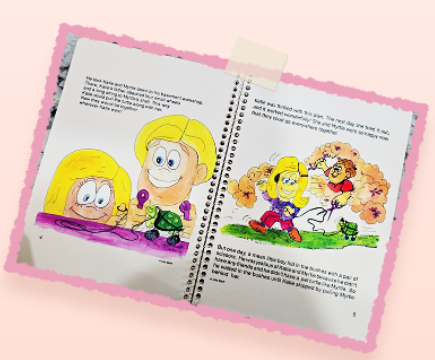
A story book for kids is more than just a collection of colorful pages and fun characters. It is a powerful tool that shapes a child’s imagination, emotional intelligence, language skills, and moral values. From bedtime stories to early learning readers, storybooks play a vital role in a child’s growth and development. In today’s fast-paced digital world, introducing children to storybooks helps create meaningful learning experiences that last a lifetime.
The Importance of Story Books for Kids
Storybooks have been a part of childhood for generations, and for good reason. They help children understand the world around them in a simple and engaging way. When kids listen to or read stories, they begin to recognize emotions, solve problems, and learn how actions have consequences.
A well-written story book for kids encourages curiosity and creativity. Children imagine new worlds, connect with characters, and develop empathy by seeing life through different perspectives. These early experiences help shape their personality and social skills as they grow.
How Story Books Support Language Development
One of the biggest benefits of a story book for kids is language development. Reading stories exposes children to new words, sentence structures, and expressions. This naturally improves vocabulary, pronunciation, and communication skills.
When parents read aloud, children also learn listening skills and sentence flow. Repetition in storybooks helps kids remember words and phrases, making it easier for them to speak and read on their own. Over time, this builds confidence and a strong foundation for academic success.
Boosting Imagination and Creativity
Storybooks open the door to endless imagination. Whether it’s talking animals, magical lands, or everyday adventures, a story book for kids encourages creative thinking. Children begin to imagine “what if” scenarios and create their own stories inspired by what they read.
This creativity is essential for problem-solving and critical thinking. Kids who grow up reading storybooks often show better creative expression in writing, drawing, and even social interactions.
Teaching Values and Life Lessons
A good story book for kids doesn’t just entertain—it teaches. Many children’s stories are designed to share important values such as honesty, kindness, sharing, patience, and courage. Through characters and simple plots, kids learn right from wrong in a gentle and relatable way.
Unlike direct instructions, stories allow children to understand lessons naturally. They see how characters face challenges, make decisions, and deal with outcomes. These lessons stay with them far longer than simple rules.
Emotional Development Through Stories
Children often struggle to express emotions, but storybooks help bridge that gap. A story book for kids introduces emotions like happiness, sadness, fear, jealousy, and excitement in a safe environment. When kids relate to characters, they learn that their feelings are normal and manageable.
This emotional connection helps children develop empathy and emotional intelligence. They learn to understand others’ feelings and respond with compassion—an essential skill for healthy relationships.
Building a Reading Habit Early
Introducing a story book for kids at an early age helps build a lifelong reading habit. When reading becomes fun and interactive, children associate books with enjoyment rather than pressure. This positive association encourages independent reading as they grow older.
A regular reading routine—such as bedtime stories—strengthens the bond between parents and children. It creates a calm, comforting space where kids feel safe, loved, and engaged.
Choosing the Right Story Book for Kids
Not all storybooks are the same, so choosing the right one matters. Here are a few tips to help select the best story book for kids:
- Age-appropriate content: Make sure the language and themes match the child’s age.
- Simple and engaging language: Clear sentences help kids understand the story easily.
- Colorful illustrations: Visuals keep children interested and support comprehension.
- Positive messages: Stories should promote good values and emotional growth.
- Interactive elements: Questions, repetition, or rhymes keep kids engaged.
Choosing the right storybook ensures that reading remains a joyful and meaningful experience.
Story Books vs. Digital Content
While digital content is everywhere today, traditional story books for kids still hold a special place. Physical books reduce screen time and improve focus. Turning pages, pointing at pictures, and holding a book helps develop fine motor skills and attention span.
That said, digital storybooks can also be useful when used in moderation. The key is balance—combining traditional reading with limited digital exposure for the best learning outcomes.
How Story Books Help in School Readiness
Children who regularly read storybooks are often better prepared for school. A story book for kids helps improve concentration, memory, and comprehension skills. Kids become familiar with storytelling structures like beginning, middle, and end, which supports writing and reading tasks in school.
Teachers often notice that children who read early are more confident learners. They ask questions, participate in discussions, and show curiosity in learning new things.
Conclusion: The Lasting Impact of a Story Book for Kids
A story book for kids is not just a book—it’s a foundation for learning, creativity, and emotional growth. From improving language skills to teaching life lessons, storybooks shape a child’s early experiences in powerful ways. In a world full of distractions, storybooks offer something timeless: connection, imagination, and learning through stories.
Encouraging children to read storybooks today helps build confident, creative, and compassionate individuals tomorrow. Whether it’s a bedtime tale or a first reader, every story book for kids leaves a lasting impression that shapes their journey through life.

 Turkish