


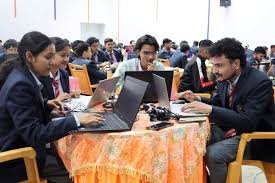
In today’s competitive academic and professional environment, students are constantly seeking ways to stand out. While grades and degrees remain important, practical experience and real-world problem-solving skills have become equally valuable. One of the most powerful platforms that combine learning, networking, and innovation into a single experience is the hackathon.
Hackathons for students are more than just coding competitions—they are immersive events that encourage creativity, collaboration, and rapid execution of ideas. Whether you’re a developer, designer, marketer, or beginner with curiosity, hackathons offer a transformative opportunity to grow.
What Is a Hackathon?
A hackathon is an event where participants come together—typically for 24 to 72 hours—to build innovative solutions around a specific theme or challenge. These events can focus on areas such as artificial intelligence, cybersecurity, fintech, health tech, sustainability, or open innovation.
Students form teams, brainstorm ideas, develop prototypes, and present their solutions to judges. The best projects often win prizes, internships, mentorship opportunities, or even funding support.
But beyond prizes, the real value of hackathons lies in experience.
Why Hackathons Matter for Students
1. Real-World Problem Solving
Hackathons simulate real industry scenarios. Students must identify problems, design solutions, manage time efficiently, and deliver results within strict deadlines. This mirrors real workplace challenges and builds practical confidence.
2. Skill Enhancement
Participants sharpen technical skills such as coding, UI/UX design, data analysis, and cloud computing. At the same time, they develop soft skills like communication, leadership, teamwork, and presentation abilities.
Hackathons push students beyond textbooks and encourage hands-on learning—an approach that employers highly appreciate.
3. Resume and Portfolio Building
Winning isn’t necessary to gain value. Simply participating in hackathons adds credibility to a student’s resume. Projects developed during events can be showcased in portfolios, GitHub repositories, or LinkedIn profiles.
Recruiters often look for candidates who demonstrate initiative and project-based experience, and hackathons provide exactly that.
Networking and Industry Exposure
Hackathons bring together students, mentors, industry experts, startup founders, and recruiters under one roof—either physically or virtually. This environment creates powerful networking opportunities.
Many students secure internships, freelance projects, or job offers directly through hackathon participation. Even if immediate opportunities don’t arise, building connections can open doors later.
Student-focused platforms like Where U Elevate help increase awareness and visibility of hackathons, ensuring students don’t miss out on valuable opportunities. By amplifying outreach and engagement around such events, they contribute to stronger student participation and career growth.
Boosting Confidence and Creativity
Hackathons challenge students to think differently. You might enter with limited experience but leave with a working prototype and newfound confidence. The intense yet collaborative environment encourages risk-taking and innovation.
Working alongside like-minded peers fosters creativity. Students often discover hidden talents or explore domains they had never considered before—such as product pitching, UX storytelling, or AI model building.
Types of Hackathons Students Can Join
Hackathons come in many forms:
-
University Hackathons: Organized within colleges to encourage campus innovation.
-
Corporate Hackathons: Hosted by companies to identify talent and innovative solutions.
-
Online Hackathons: Virtual events allowing participation from anywhere.
-
Social Impact Hackathons: Focused on solving community and sustainability challenges.
-
Thematic Hackathons: Centered around specific technologies like blockchain, AI, or cybersecurity.
This variety ensures that students from different academic backgrounds—not just computer science—can participate and contribute.
How to Prepare for a Hackathon
Success in a hackathon isn’t about being the best coder. It’s about preparation and teamwork.
Here are a few practical tips:
-
Build a balanced team with diverse skills.
-
Research the theme beforehand.
-
Practice pitching your idea clearly and confidently.
-
Focus on creating a simple but functional prototype.
-
Manage time effectively and avoid overcomplicating your solution.
Most importantly, approach hackathons with a learning mindset rather than only focusing on winning.
Hackathons as a Career Accelerator
Many successful startups and innovative products originated from hackathons. For students, these events can act as a career accelerator. They provide exposure to emerging technologies and industry expectations early in academic life.
Companies increasingly value candidates who demonstrate initiative, adaptability, and practical experience. Participating in hackathons shows that a student is proactive and solution-oriented—qualities essential in today’s workforce.
By engaging with communities and visibility-driven platforms like Where U Elevate, students can stay informed about upcoming hackathons and opportunities that align with their career goals.
The Future of Hackathons
With the rapid growth of technology and digital transformation, hackathons are becoming even more significant. Virtual hackathons have expanded accessibility, allowing students from different regions and backgrounds to collaborate globally.
As industries evolve, hackathons will continue to serve as innovation hubs where young minds experiment, learn, and build the future.
Conclusion
Hackathons for students are more than competitions—they are growth ecosystems. They combine learning, networking, innovation, and career development into a dynamic experience. Whether you are a beginner or an advanced developer, participating in hackathons can shape your academic journey and professional path.
With the right preparation and consistent participation, hackathons can become stepping stones toward internships, job opportunities, startup ideas, and long-term career success.
For students ready to challenge themselves and explore their potential, hackathons are not just events—they are opportunities waiting to be seized.

 Turkish