


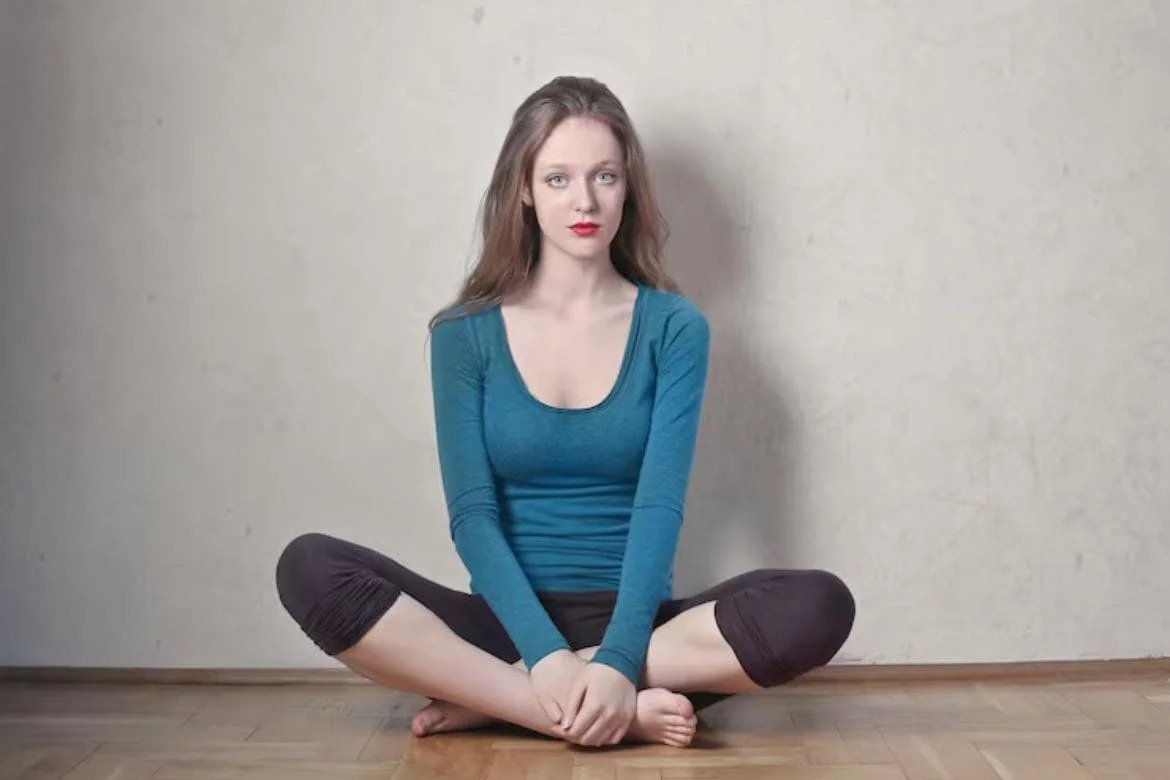
The crossed legs yoga pose is one of the most recognized and widely practiced seated positions in yoga. Whether you are new to yoga or an experienced practitioner, sitting with crossed legs offers a simple yet powerful way to cultivate mindfulness, stability, and physical ease. This foundational posture is often used for meditation, pranayama (breathing exercises), and gentle stretching practices, making it a cornerstone of many yoga traditions.
In this comprehensive guide, you will learn everything about the crossed legs yoga pose, including its benefits, correct alignment, variations, common mistakes, and tips for improving comfort and flexibility.
What Is the Crossed Legs Yoga Pose?
The crossed legs yoga pose is a seated posture where both legs are folded inward and crossed in front of the body. The shins typically rest on the ground, and the feet are tucked beneath the opposite knees or thighs. In yoga, this position is often referred to as Sukhasana, or “Easy Pose,” though its simplicity does not mean it lacks depth or importance.
This pose creates a stable base for the body, allowing the spine to lengthen naturally and the mind to settle into a calm and focused state. Because of its accessibility, the crossed legs yoga pose is frequently used for meditation, chanting, and breathing exercises.
Benefits of the Crossed Legs Yoga Pose
Practicing the crossed legs yoga pose regularly can bring a wide range of physical, mental, and emotional benefits.
1. Improves Posture
When practiced with correct alignment, the crossed legs yoga pose encourages an upright spine and open chest. This helps counteract slouching and promotes better posture throughout daily life.
2. Enhances Flexibility
The gentle external rotation of the hips in the crossed legs yoga pose gradually improves flexibility in the hips, groin, and inner thighs. Over time, this can reduce stiffness and increase range of motion.
3. Promotes Relaxation and Mental Clarity
Because the crossed legs yoga pose is often used in meditation, it naturally encourages stillness and calmness. Sitting in this position helps regulate breathing and quiet the mind.
4. Strengthens the Lower Back
Maintaining an upright posture in the crossed legs yoga pose activates the muscles along the spine. This builds strength and endurance in the lower back and core.
5. Supports Circulation and Grounding
The position of the legs and the grounded sitting bones create a sense of stability and grounding. This can help reduce stress and improve overall circulation in the lower body.
How to Practice the Crossed Legs Yoga Pose Correctly
Practicing proper alignment in the crossed legs yoga pose ensures comfort and maximizes its benefits.
Step-by-Step Instructions
-
Start in a seated position on the floor or a yoga mat.
-
Extend both legs forward and gently shake them out to release tension.
-
Bend one leg and bring it toward the body.
-
Cross the other leg in front, allowing both shins to rest comfortably on the ground.
-
Place your hands on your knees or thighs, palms facing up or down.
-
Lengthen your spine, lifting through the crown of your head.
-
Relax your shoulders and soften your face.
-
Close your eyes or keep a gentle gaze forward while breathing slowly and evenly.
Stay in the crossed legs yoga pose for several minutes, focusing on your breath and maintaining a relaxed yet upright posture.
Alignment Tips for Comfort and Stability
To experience the full benefits of the crossed legs yoga pose, keep these alignment tips in mind:
-
Sit on your sitting bones rather than your tailbone.
-
Keep your knees relaxed and moving toward the floor without forcing them.
-
Maintain a neutral spine without overarching or slouching.
-
Engage your core slightly to support your lower back.
-
Keep your chin parallel to the ground to avoid neck strain.
Modifications and Variations
Not everyone finds the crossed legs yoga pose comfortable right away. Fortunately, there are several modifications you can try.
Use a Cushion or Block
If your hips feel tight, sit on a folded blanket, cushion, or yoga block. Elevating your hips makes it easier for your knees to drop down and helps maintain spinal alignment.
Change the Leg Crossing
Alternate which leg is in front each time you practice the crossed legs yoga pose. This helps maintain balance in the hips and prevents uneven flexibility.
Half Cross-Legged Position
If full crossing feels uncomfortable, keep one leg extended while bending the other inward. This variation reduces pressure on the hips and knees.
Advanced Variation
As flexibility improves, you can deepen the crossed legs yoga pose into more advanced seated positions like Siddhasana or Padmasana (Lotus Pose).
Common Mistakes to Avoid
While the crossed legs yoga pose appears simple, a few common mistakes can reduce its effectiveness or cause discomfort.
Slouching the Spine
One of the most common issues is rounding the back. This compresses the chest and makes breathing shallow. Always focus on lifting through the spine.
Forcing the Knees Down
Never push your knees toward the floor. Allow gravity and time to gradually increase flexibility.
Sitting on the Tailbone
If your pelvis tilts backward, you may feel strain in the lower back. Sitting on a cushion can help tilt the pelvis forward and support better posture.
Holding Tension in the Shoulders
Keep your shoulders relaxed and away from your ears to avoid neck and upper body tension.
The Role of Breath in the Crossed Legs Yoga Pose
Breathing is an essential component of the crossed legs yoga pose. When you sit comfortably and upright, the lungs have space to expand fully, making it easier to practice deep, mindful breathing.
Try the following breathing techniques while in the crossed legs yoga pose:
-
Deep diaphragmatic breathing to calm the nervous system
-
Alternate nostril breathing (Nadi Shodhana) for balance and clarity
-
Ujjayi breathing to build focus and internal awareness
Crossed Legs Yoga Pose for Meditation
The crossed legs yoga pose is widely used for meditation because it provides a stable and grounded base. When your body is steady, the mind can become still more easily.
To meditate in the crossed legs yoga pose:
-
Sit comfortably with your spine upright.
-
Rest your hands on your knees in a relaxed mudra.
-
Close your eyes and focus on your breath.
-
Allow thoughts to come and go without attachment.
Practicing meditation in the crossed legs yoga pose for even 5–10 minutes daily can significantly improve mental clarity and emotional balance.
Who Can Practice the Crossed Legs Yoga Pose?
The crossed legs yoga pose is suitable for most people, including beginners. However, those with knee injuries, hip issues, or severe lower back pain should practice with caution or use modifications.
If you experience discomfort, always listen to your body and adjust the pose accordingly.
Tips to Improve Comfort Over Time
If sitting in the crossed legs yoga pose feels difficult at first, don’t worry. Comfort and flexibility improve gradually with practice.
-
Practice hip-opening stretches like Butterfly Pose and Pigeon Pose.
-
Use props to support your body.
-
Keep your practice consistent, even if only for a few minutes daily.
-
Stay relaxed and avoid forcing your body into the position.
Incorporating the Crossed Legs Yoga Pose into Daily Life
You don’t have to be on a yoga mat to enjoy the benefits of the crossed legs yoga pose. You can incorporate it into your daily routine in simple ways:
-
Sit in this position while reading or journaling.
-
Use it during meditation or prayer.
-
Practice breathing exercises while seated comfortably.
-
Take short breaks during the day to sit in stillness.
Over time, the crossed legs yoga pose becomes a natural and comfortable way to sit, helping you feel more grounded and present in everyday life.
Conclusion
The crossed legs yoga pose is far more than a simple seated position—it is a gateway to improved posture, flexibility, mental clarity, and inner peace. Its accessibility makes it ideal for practitioners of all levels, while its depth offers endless opportunities for growth and awareness.
By practicing the crossed legs yoga pose regularly, focusing on alignment, and incorporating mindful breathing, you can transform a basic posture into a powerful tool for physical and emotional well-being. Whether used for meditation, relaxation, or gentle stretching, this timeless pose continues to be a foundation of yoga practice around the world.

 English