


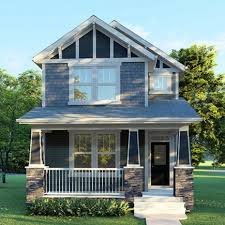
Choosing a home starts with understanding the floor plan. The floor plan determines how your life will flow in a space. It affects daily routines, storage, comfort, and flexibility. If you’re considering a Morrison Homes Calgary home, knowing how their floor plans work helps you make a smart choice.
This guide explains Morrison homes floor plans clearly. We break down the most common layouts. We explain key features. And we help you understand what works best for different lifestyles and families.
No confusing jargon. No hype. Just straightforward guidance.
1. Why Floor Plans Matter
A floor plan is a map of your future life. It shows:
-
Room sizes
-
Room placement
-
Traffic paths
-
Storage
-
Flow of spaces
A good floor plan:
-
Feels natural to live in
-
Reduces wasted space
-
Matches how you use rooms daily
-
Offers flexibility as needs change
A poor floor plan can make a home feel small, cramped, or awkward. That’s why understanding layout is essential.
2. Morrison Homes Calgary: Types of Floor Plans
Morrison offers a variety of floor plans in Calgary. The main types include:
-
Single-Family Detached Homes
-
Laned and Front-Drive Homes
-
Townhomes
-
Quick Possession Homes
Each type has its own layout styles and benefits.
We will break down each type in detail.
3. Single-Family Detached Plans
Detached homes are full stand-alone houses. They are ideal for families or buyers who want space and privacy.
Common Features
-
Two or more levels
-
Attached garage
-
Multiple bedrooms
-
Large living spaces
-
Separate dining areas
-
Main floor powder room
These homes often include:
-
Mudroom entry
-
Walk-in closets
-
Bonus rooms or lofts
-
Optional basements
Typical Layout Explained
Let’s look at a common detached plan:
Main Floor
-
Front entry with closet
-
Open living room connecting to kitchen
-
Kitchen with island and pantry
-
Dining area near kitchen
-
Powder room
-
Mudroom entry from garage
This layout keeps daily activity in one zone. The main floor is designed for everyday tasks and socializing.
Upper Floor
-
Master bedroom with ensuite bathroom
-
Two or three additional bedrooms
-
Full bathroom
-
Laundry room
-
Optional bonus room
This placement separates private spaces from busy areas. Bedrooms are quiet and convenient.
Basement (Optional)
-
Family room or recreation space
-
Extra bathroom
-
Bedroom or office
-
Storage rooms
Basements add flexibility. They can become playrooms, home offices, or rental suites.
4. Laned and Front-Drive Home Plans
Laned and front-drive homes are narrower but efficient. They are popular in urban and infill communities.
Key Differences from Detached
-
Smaller lot footprint
-
Garage at the back (laned) or front (front-drive)
-
Often three levels
Single-Level Use
Laned plans may place living spaces on higher floors to maximize views and light.
Example Layout
Ground Floor
-
Front entry
-
Garage (laned or front drive)
-
Mudroom storage
-
Bedroom or office (in some plans)
Second Floor
-
Main living room
-
Kitchen with island
-
Dining space
-
Balcony or outdoor living deck
Third Floor
-
Bedrooms and bathrooms
-
Laundry room
-
Master suite with ensuite
These plans use vertical space smartly. They suit smaller lots without sacrificing comfort.
5. Townhome Floor Plans
Townhomes share walls with neighbors. They offer lower maintenance and strong community living.
Typical Townhome Layout
Main Floor
-
Entrance from porch or garage
-
Open living space
-
Kitchen and dining
-
Powder room
Upper Floors
-
Bedrooms grouped together
-
Bathrooms with practical layout
-
Master suite with closet space
Townhomes often have:
-
Efficient storage
-
Practical kitchens
-
Living areas designed for everyday use
They are ideal for first-time buyers, young families, or downsizers.
6. Quick Possession Floor Plans
Quick possession homes are already built or near completion. They offer immediate or near-term move-in.
These plans are usually popular designs that sell quickly. They often include:
-
Upgraded finishes
-
Practical floor plans with value features
-
Standard functional layouts
Quick possession options are great if you don’t want to wait for construction.
7. Understanding Layout Terms
Here are common terms used in Morrison floor plans:
Open Concept
A layout where kitchen, dining, and living areas share one large space. This improves flow and light.
Mudroom
A space near the entry or garage. It holds shoes, coats, and daily items.
Bonus Room
An extra room that can serve as a family area, playroom, or office.
Ensuite
A bathroom attached to the master bedroom.
Walk-in Closet
A larger closet space that you can walk into.
Powder Room
A small bathroom with a toilet and sink, usually on the main floor.
Knowing these terms helps when you compare plans.
8. How to Choose the Right Floor Plan
A smart buyer thinks about:
1. Daily Routine
Do you cook often? Do you entertain? Do you work from home?
Look for layouts that support how you live.
2. Storage Needs
Check closets, pantries, and garage space.
3. Privacy
Bedrooms should be quiet and away from busy living areas.
4. Flexibility
Bonus rooms and lofts add value as your needs change.
5. Outdoor Space
Balconies, patios, and yards matter, especially for kids or pets.
These factors help you choose a plan that fits your life.
9. Analyzing Popular Morrison Floor Plans
Let’s walk through a few common plan types so you know what to look for.
A. Family-Focused Plan
Main Floor
-
Open kitchen with island
-
Large living room
-
Connected dining area
-
Powder room
Upper Floor
-
Master with ensuite
-
Two to three bedrooms
-
Full bathroom
-
Laundry room
Why It Works
This plan keeps family spaces together and private spaces separate. Practical for busy homes with kids.
B. Urban Infill Plan
Ground Floor
-
Entry and storage
-
Garage access
-
Optional bedroom or office
Second Floor
-
Living room
-
Kitchen with pantry
-
Dining area
-
Balcony
Third Floor
-
Bedrooms and bathrooms
-
Compact laundry area
Why It Works
This plan maximizes space on smaller lots and brings living areas higher for light and views.
C. Townhome Plan
Main Entry Floor
-
Living room
-
Kitchen with breakfast bar
-
Dining space
-
Powder room
Upper Level
-
Master suite
-
Secondary bedrooms
-
Bathroom near bedrooms
Why It Works
These plans are efficient and low-maintenance, perfect for buyers seeking convenience.
10. What Buyers Should Consider About Floor Plans
When comparing plans, ask yourself:
-
Does the layout flow naturally?
-
Are the living spaces large enough?
-
Is there enough storage?
-
Do bedrooms offer privacy?
-
Is the kitchen practical for daily use?
-
Are there flexible spaces for future needs?
-
Is outdoor living space included?
These questions help match your plan to your lifestyle.
11. How to Use Floor Plans During Research
When reviewing plans:
-
Take notes on what you like and dislike
-
Mark where windows and natural light appear
-
Check traffic flow between rooms
-
Estimate furniture placement
-
Compare room sizes to your needs
Visualizing daily life in a space helps you make better choices.
12. How Floor Plans Affect Resale
Floor plans that appeal to many buyers often:
-
Have open living spaces
-
Include flexible rooms
-
Offer energy-efficient design
-
Provide good storage
-
Place bedrooms for privacy
Homes with these features tend to have better resale appeal.
13. Tips for Touring Showhomes
When you visit showhomes:
-
Bring a tape measure
-
Take photos for reference
-
Notice natural light at different times
-
Test closet and storage spaces
-
Check how rooms connect
Seeing a plan in person helps you understand how it feels to live there.
14. Upgrading and Customizing
Some Morrison plans allow upgrades like:
-
Additional windows
-
Finished basements
-
Decks or patios
-
Premium flooring
-
Cabinet or countertop upgrades
Know what upgrades are included and which cost extra. Always ask for a clear list.
15. Common Buyer Questions About Floor Plans
Q: Can I change the layout?
A: Some structural changes are possible. Check with the sales team.
Q: What’s included in the base price?
A: Morrison gives an inclusions list. Always review it closely.
Q: How long is construction?
A: Timelines vary, but many homes take several months. Quick possession homes are faster.
Q: Are basements included?
A: Many plans include an unfinished basement that you can finish later.
16. Final Thoughts: Choosing the Right Plan
A floor plan is more than lines on paper. It determines how your life will flow in your home. A home should not only look good — it should feel good to live in every day.
Morrison Homes Calgary offers a variety of plans designed for real life. Whether you want a large family home, a practical townhome, or a compact urban plan, the key is matching the layout to your lifestyle.
Real life includes:
-
Morning routines
-
Family dinners
-
Quiet bedrooms
-
Comfortable living spaces
-
Storage for everyday needs
A thoughtful floor plan supports all of this and more.
Smart Buyer Checklist: Floor Plans
Use this when comparing floor plans:
✔ Open living areas
✔ Bedroom placement for privacy
✔ Ample storage
✔ Functional kitchen layout
✔ Laundry near bedrooms
✔ Garage and mudroom storage
✔ Bonus or flex rooms
✔ Outdoor space included
✔ Natural light in main areas
✔ Logical traffic flow

 English