


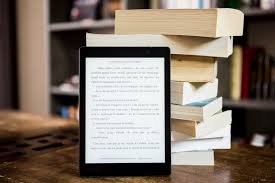
A friend once sent me a Kindle sample and said, “Tell me honestly if this looks fine.” The writing was solid. The idea was strong. But two pages in, I found myself squinting at odd spacing, then getting annoyed at a chapter heading that sat awkwardly on the screen like it was floating. It was not dramatic. It was worse than that. It was distracting.
That is the kind of thing readers rarely explain. They just leave.
If you are self publishing and you want your book to be taken seriously, an ebook design agency is not about making things fancy. It is about removing the tiny frictions that quietly kill momentum.
Self Publishing Has A Trust Problem You Do Not See Until You Feel It
Readers have been trained by experience. They have downloaded books that looked good on the product page and felt messy once opened. They have seen broken tables of contents, random font jumps, and paragraphs that behave differently from one chapter to the next. Once that happens a couple of times, people become cautious.
They do not announce it. They just become quicker to judge.
When your ebook looks clean from page one, you are borrowing trust. Not the loud kind. The quiet kind that makes someone think, “Okay, this looks legit,” and keeps them reading long enough to care about the story or the argument.
The Strange Part Is That Great Formatting Is Invisible
Nobody finishes a good ebook and says, “Wow, the spacing was perfect.” They just say the book was easy to read. Or they do not mention it at all, which is even better.
Bad formatting, on the other hand, becomes a character in the room.
The export button is not a formatting strategy
A lot of authors start with the same assumption: “I wrote it in Word or Google Docs, I’ll export to EPUB, then upload.” Sometimes that works. If your book is extremely simple, with plain chapters and no special elements, you can get away with it.
But the moment you have any of the following, the chances of weird behavior go up fast:
-
multiple heading levels in nonfiction
-
scene breaks you want styled consistently
-
lists that need to look clean on small screens
-
images, charts, or screenshots
-
boxed callouts, quotes, or exercises
-
links, references, or endnotes
And then there’s the bigger issue: ebooks do not render the same way everywhere.
Devices are opinionated
Kindle apps, e-ink Kindles, Apple Books, Kobo, and random EPUB readers all interpret files slightly differently. Sometimes the differences are small. Sometimes they are painful.
You can have a file that looks fine on your phone and looks off on an older e-reader. Or the table of contents works in one place and breaks in another. Or spacing turns into extra blank gaps because of how a device handles page breaks.
A professional ebook design agency lives in that reality. They do not format for one screen. They format for the mess of screens your readers actually use.
Readers Notice The First Five Minutes More Than Anything Else
If someone downloads a sample, they are in a specific mental state: curious, slightly skeptical, and ready to back out. The first chapter is doing more than storytelling. It is proving quality.
This is why the early pages matter so much:
-
chapter title styling
-
paragraph rhythm
-
spacing consistency
-
whether the book feels calm and readable
If the book feels awkward to look at, a reader can decide the content is also going to be awkward. That is not fair, but it is common.
Nonfiction gets punished faster
Fiction readers may push through for story. Nonfiction readers are often scanning. They want structure. They want clarity. If headings are inconsistent or sections look crowded, it feels like the author did not organize their thinking.
That is where professional formatting becomes more than cosmetics. It supports comprehension.
DIY Formatting Often Breaks In The Same Places Every Time
Most DIY attempts do not fail because the author is careless. They fail because ebooks have odd rules that are not obvious until you hit them.
Chapter starts and page breaks
A “nice” chapter start in a print PDF can cause strange blank spaces in a reflowable ebook. Or a chapter title can separate from the first paragraph on certain devices. Or a scene break symbol lands in a weird spot.
Lists and indentation
Bullets and numbered lists look simple, until they start wrapping poorly on smaller screens. Then you get ugly alignment. It looks minor, but readers notice.
Images and sizing
Images can disappear, blow up too large, or sit awkwardly with too much padding. If your book uses screenshots or diagrams, this is where DIY approaches tend to become a time sink.
The table of contents problem
This one is brutal because it might “work” in your quick test and still fail in a different reader app. A broken table of contents makes a book feel sloppy immediately.
Most authors realize these issues when they are already tired and close to launch. That is not the moment you want to be debugging files.
What You Are Really Paying For When You Hire Professionals
It is tempting to think you are paying for formatting output. You are not. You are paying for a process.
A strong ebook design agency usually brings four things you cannot fake easily:
File hygiene
Clean structure. Consistent styles. No weird leftovers from copying and pasting across documents. No silent formatting accidents that surface later.
Reading flow decisions
Where spacing should breathe. How headings should look. When a line should break. These decisions make an ebook feel intentional instead of accidental.
Testing mindset
Not “it opens on my phone, so we’re good.” Real testing across common devices and apps, so you are not shipping a surprise.
A system you can reuse
If you plan to publish more than one book, a good agency can build a consistent interior style that becomes part of your author brand. Over time, this saves effort and helps your catalog look cohesive.
The Business Case Is Simpler Than People Make It
If your ebook is free and purely experimental, you might not need professional support yet. But if you are charging money, running ads, or building a serious author brand, the math changes.
Poor formatting leads to:
-
fewer purchases after a sample download
-
more refund requests
-
reviews complaining about readability
-
less trust in your future books
Those outcomes cost more than the agency fee, especially when you are trying to scale.
This is where people get confused: they compare the agency cost to “free” DIY. A better comparison is agency cost versus the slow bleed of lost conversions and damaged reputation.
Professional Design Also Protects Your Writing
This part is personal for a lot of authors.
You can spend a year writing a good book and then accidentally present it like a rushed document. That hurts. Not just financially, emotionally.
A clean interior does not make a weak book strong. But it does stop a strong book from feeling weaker than it is.
How To Pick The Right Help Without Overcomplicating It
You do not need fancy questions. You need a few practical ones that reveal whether the provider has real experience.
Ask things like:
-
What devices and apps do you test on?
-
Can you show interior samples, not only covers?
-
How do you handle images, lists, and complex sections?
-
What files will I receive at the end?
-
If something looks wrong after upload, what happens?
A good provider answers clearly. If the answers sound vague or overly confident without specifics, that is a warning sign.
If you are publishing a series or multiple nonfiction books, it is also worth asking whether they can build a repeatable template system. Consistency saves you time later.
Conclusion
Self publishing gives you control, but it also means you carry responsibility for presentation. Readers may never praise formatting directly, yet they react to it constantly through buying decisions, reading time, and reviews.
Working with a ebook design agency is one of the most practical ways to protect your book’s first impression and make sure your writing is experienced the way you intended. If you are trying to build a real publishing business, not just upload a file once, professional ebook design is part of the foundation.

 English