


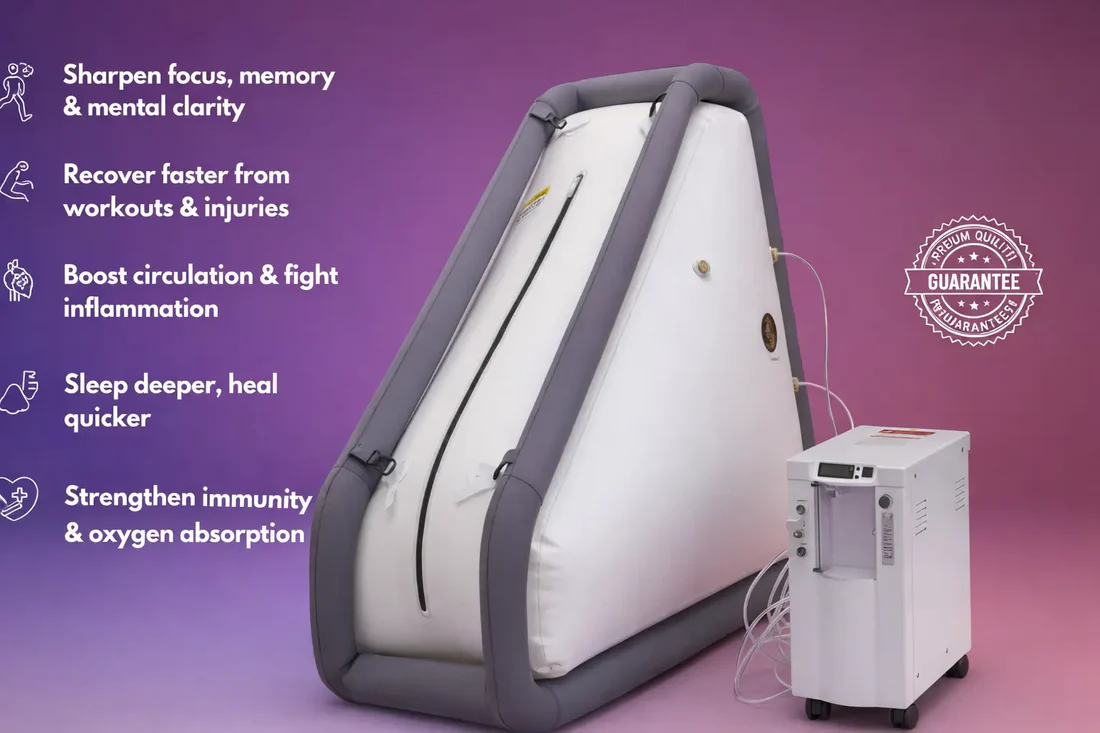
Investing in a hyperbaric oxygen therapy (HBOT) chamber for personal use is a significant decision, and the cost of a hyperbaric chamber is often the first and biggest question. Prices can range from a few thousand dollars to well over twenty thousand, creating a confusing landscape for buyers. This guide will break down the factors that influence price, outline what you can expect at different budget levels, and help you understand the value behind the investment, ensuring you find the best hyperbaric chamber for home use that fits both your wellness goals and your finances.
The Core Factors That Drive Price
The price tag on a portable hyperbaric chamber for home use isn't arbitrary. It's a direct reflection of its components, capabilities, and construction. The first key cost driver is Pressure Capability, measured in ATA. Chambers certified for higher pressures, such as 2.0 ATA versus 1.3 ATA, require more robust engineering, thicker materials, and more rigorous safety testing, which increases the cost. Most home users find the well-researched "mild" range of 1.3 to 1.5 ATA to be both optimal and cost-effective for wellness and recovery purposes.
The second major factor is Construction and Materials. Soft-shell chambers, designed for lying down, are made from durable, multi-layered PVC or nylon. The price varies significantly with material thickness, the quality of seam welding, and zipper durability. A premium model in this category, such as the Macy Pan hyperbaric oxygen chamber, utilizes commercial-grade materials built for longevity and daily use. In contrast, hard-shell or sitting chambers are constructed from acrylic, aluminum, or steel. These materials and the complex rigid construction process are inherently more expensive, placing these units at the higher end of the price spectrum.
The Price Spectrum: What to Expect
Understanding the market tiers will help you navigate your options and set realistic expectations for what you can purchase within your budget.
At the Budget Tier, ranging from approximately $3,000 to $6,000, you will typically find entry-level soft-shell chambers. These often operate at the lower end of the pressure spectrum, around 1.3 ATA. The materials may be thinner, and components like compressors might be noisier and have shorter lifespans. Many products in this tier are sold as "chamber-only," meaning you must source a compatible oxygen concentrator separately, adding to the total cost and complexity. This tier is best for the cautious first-time buyer who wants to test the concept of HBOT with a minimal initial investment. However, it is crucial to vet safety features, certifications, and build quality very thoroughly when considering a budget option.
The Mid-Range or Value Tier, spanning from $6,000 to $12,000, is widely considered the sweet spot for most serious home users. In this range, you find reliable and well-constructed portable hyperbaric oxygen chamber units that operate at a true and consistent 1.5 ATA. They are built with durable, commercial-grade materials and almost always include a complete, integrated system—chamber, quiet oil-less compressor, and oxygen concentrator—all designed to work together seamlessly. This tier offers the best balance of safety, clinical-grade performance, and durability for daily use, making it a highly valuable long-term investment for individuals committed to their wellness regimen.
For the Premium Tier, which includes prices from $12,000 to $25,000 and beyond, you encounter both high-end soft-shell chambers and most hard-shell sitting models. Premium soft-shell chambers in this range may offer luxury features like virtually silent compressors, premium interior finishes, and advanced electronic interfaces. However, this tier is predominantly where you find hard-shell units. A dedicated sitting hyperbaric chamber in this price range offers a permanent, furniture-like build quality, often higher pressure capabilities up to 2.0 ATA or more, and a distinct, upright user experience. You are paying for advanced engineering, superior and more expensive materials like acrylic and aluminum, and a more substantial physical presence in your home.
The Hidden Costs and Long-Term Value
When calculating the true cost of a hyperbaric chamber, it is essential to look beyond the initial sticker price and consider the total cost of ownership. One of the most important factors is the Warranty and Service provided. A comprehensive, multi-year warranty that covers both the chamber and the compressor is invaluable and is often a strong indicator of a quality product. You should factor in the potential cost, logistics, and downtime associated with repairs for products with weak or short warranties.
Ongoing operational costs are another consideration. You must understand the oxygen delivery system. Some chambers operate using disposable oxygen tanks, which create a recurring consumable cost. Most modern home units include or recommend an oxygen concentrator, which uses electricity and requires periodic filter maintenance. While more convenient, the concentrator does contribute to your home's energy usage. Speaking of energy, the compressor and concentrator will increase your monthly electric bill, though for most models, this increase is relatively modest.
Perhaps the most compelling way to frame the investment is to compare it to the alternative: professional clinic sessions. The alternative cost of clinical HBOT sessions, which can range from $100 to $300 per session, provides a powerful perspective. A home chamber, even in the mid-range tier, often pays for itself after the equivalent of 30 to 60 personal sessions. For anyone planning to use HBOT consistently as part of a long-term health strategy, the home unit represents tremendous savings and unparalleled convenience over a period of just a few months to a year.
Making a Smart Investment: Key Questions to Ask
Before making your final decision, ask yourself and the seller a few key questions to ensure your investment is sound. First, clearly define your primary use case. Are you seeking it for athletic recovery, general wellness and anti-aging, or to support a specific condition? This will help determine the necessary pressure and features. Second, be honest about how often you will realistically use it. If you plan on daily or near-daily use, investing in a more durable, higher-end model from the mid or premium tier is justified and will prove more economical over time.
Third, always clarify what is included in the total package. Ensure you are comparing complete, ready-to-use systems that include the chamber, compressor, oxygen delivery system, and all necessary gauges and controls. Finally, research who will provide support after the sale. Choose a reputable seller known for responsive customer service, clear communication, and helpful educational resources. A good company stands behind its product long after the purchase is complete.
Conclusion: Balancing Cost with Lasting Value
In the end, the best hyperbaric chamber for home use is not automatically the most expensive one. It is the chamber that offers reliable, safe, and effective therapy for your specific needs at a justifiable price point. For most individuals and families, the mid-range tier represents the peak of value, delivering proven, clinical-grade mild HBOT benefits without the luxury markup of the premium tier. By thoroughly understanding what drives the cost of a hyperbaric chamber—from materials and pressure to systems and support—you can move beyond price alone. This knowledge allows you to make an informed, confident investment in a powerful tool that will serve your health and enhance your quality of life for many years to come.

 English