


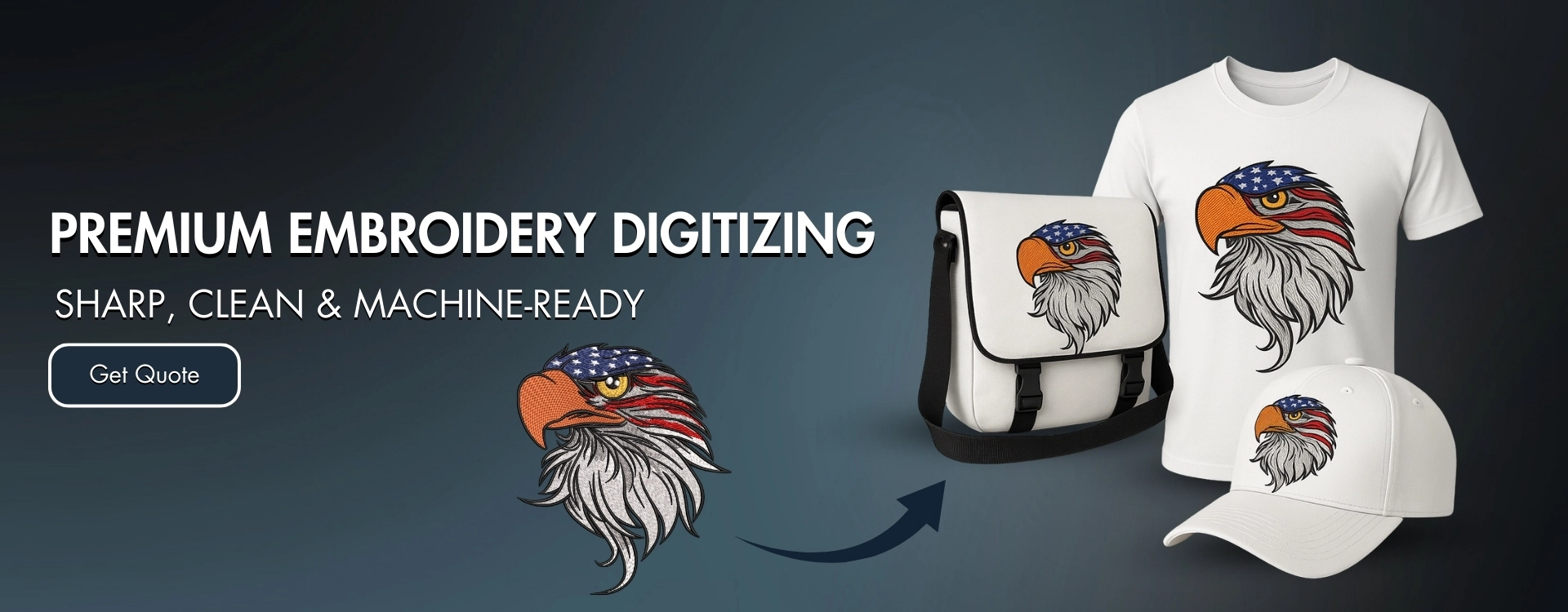
In today’s custom apparel and branding industry, embroidery remains one of the most professional and durable decoration methods. Whether you are a business owner, fashion brand, promotional company, or hobbyist, the first and most important step in embroidery is to convert image to embroidery file. This process, known as embroidery digitizing, transforms artwork into a machine-readable format that embroidery machines can stitch accurately. With the growing demand for quality and speed, embroidery digitizing services in USA have become a trusted solution for businesses worldwide.
What Does “Convert Image to Embroidery File” Mean?
Converting an image to an embroidery file is not a simple file format change like JPG to PNG. Instead, it is a technical process where a skilled digitizer recreates the artwork using stitches. Common image formats such as JPG, PNG, PDF, or SVG are manually digitized into embroidery formats like DST, PES, JEF, EXP, or VP3, depending on the embroidery machine.
During this process, the digitizer defines stitch types, stitch direction, density, pull compensation, and color sequence. The goal is to ensure that the final embroidered design looks clean, sharp, and professional on fabric.
Why Image Conversion Is Critical for Embroidery Quality
Many people assume embroidery machines can automatically read images. In reality, machines only understand stitch commands. A poorly digitized file can result in thread breaks, fabric puckering, distorted designs, or wasted materials. That’s why choosing the right method to convert image to embroidery file is essential.
Professional embroidery digitizing ensures:
-
Smooth and clean stitch flow
-
Correct stitch density for fabric type
-
Accurate color separation
-
Reduced machine downtime
-
Consistent embroidery results
This is especially important for logos, text, and detailed artwork used in branding.
Types of Images Used for Embroidery Digitizing
Most embroidery digitizing services in USA can convert various image formats, including:
-
JPG and JPEG images
-
PNG files with transparent backgrounds
-
PDF vector or raster designs
-
SVG and AI vector artwork
-
Hand-drawn sketches or scanned images
Vector files are ideal because they provide clean lines, but experienced digitizers can also work with low-resolution images and enhance them for embroidery.
Common Embroidery File Formats
When you convert image to embroidery file, the output depends on your embroidery machine. Popular formats include:
-
DST – Tajima machines (most common)
-
PES – Brother and Babylock machines
-
JEF – Janome embroidery machines
-
EXP – Melco and Bernina
-
VP3 – Husqvarna Viking
Professional digitizing services in USA usually provide multiple formats if required.
Why Choose Embroidery Digitizing Services in USA?
The USA is home to some of the most advanced embroidery digitizing companies, offering high-quality workmanship, fast turnaround, and excellent customer support. Many businesses worldwide prefer embroidery digitizing services in USA due to their reliability and professional standards.
Key benefits include:
1. High Quality and Precision
US-based digitizing companies employ experienced digitizers who understand fabric behavior, thread types, and machine requirements. This results in embroidery files that stitch perfectly with minimal adjustments.
2. Fast Turnaround Time
Most embroidery digitizing services in USA offer same-day or 24-hour delivery, making them ideal for urgent orders and bulk production needs.
3. Compatibility with All Machines
Reputable US services ensure that your converted embroidery file works flawlessly with your specific embroidery machine and hoop size.
4. Excellent Customer Support
Clear communication, revisions, and professional guidance are major advantages of working with US-based embroidery digitizers.
5. Scalable for Businesses
From small custom shops to large apparel brands, embroidery digitizing services in USA can handle both single designs and bulk digitizing projects efficiently.
Who Needs Image to Embroidery File Conversion?
The demand to convert image to embroidery file spans across many industries, including:
-
Apparel and fashion brands
-
Promotional product companies
-
Sports teams and uniforms
-
Corporate branding and workwear
-
Caps, hats, and patches manufacturers
-
Home embroidery hobbyists
Any design that needs to be stitched requires professional digitizing.
Manual Digitizing vs Auto Digitizing
While some software offers auto-digitizing features, the results are often inconsistent and unsuitable for professional embroidery. Manual digitizing, done by trained professionals, ensures better stitch quality, accurate details, and long-lasting embroidery.
That’s why most embroidery digitizing services in USA rely on manual digitizing rather than automated tools.
Cost of Embroidery Digitizing Services in USA
The cost to convert image to embroidery file varies depending on:
-
Design size and complexity
-
Number of colors
-
Stitch count
-
Required file format
-
Turnaround time
Most US digitizing services offer affordable pricing with no hidden fees and free revisions, making them cost-effective in the long run.
How to Choose the Best Embroidery Digitizing Service
When selecting an embroidery digitizing service in USA, consider:
-
Experience and portfolio
-
Customer reviews and testimonials
-
Turnaround time
-
Revision policy
-
Machine compatibility
-
Clear communication
A reliable digitizing service acts as a partner in your embroidery success.

 English