


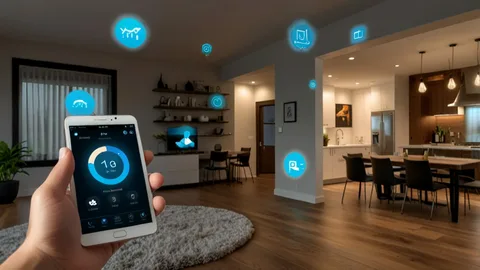
Home automation systems are the organized frameworks that turn devices into dependable services, and a properly designed system balances user experience, privacy, security, and expandability so the system performs reliably for years rather than collapsing into a pile of incompatible gadgets. The system perspective emphasizes architecture — wired backbones, local controllers, integration layers, and management practices — and treats human patterns as central inputs. This article explains practical architecture choices, standards, commissioning practices, and maintenance plans for building home automation systems that homeowners trust.
A home automation system that endures combines robust physical infrastructure with disciplined software and clear operational processes. Unlike ad hoc setups that stitch together devices with multiple apps, well-designed systems provide consistent behavior, predictable upgrade paths, and documented procedures for recovery and tuning. Below I walk through the components, decision points, and practical steps to design, deploy, and maintain automation systems that deliver predictable outcomes.
System Components And How They Interact
A home automation system is composed of devices (sensors and actuators), controllers and hubs (local execution engines), networking infrastructure, storage/recording systems, user interfaces, and integrations to external services where needed. The controllers execute logic and coordinate devices; the network provides reliable messaging; storage retains logs and video; interfaces let humans interact. The system must be designed so that each component has well-understood responsibilities and documented failure modes.
Architecture Choices: Centralized, Distributed, And Hybrid
Architectural choices influence behavior and resilience. Centralized systems place logic in a single controller or cloud service, simplifying management but creating a single point of failure. Distributed systems execute rules across multiple edge controllers, increasing resilience and local responsiveness. Hybrid systems place safety-critical logic at the edge and non-critical analytics in the cloud. For most homes, hybrid is the sweet spot: locks and alarms run locally while convenience features use cloud services.
Network Design: The Operational Backbone
Network design is the foundation. Use wired backbones for bandwidth and stability, deploy enterprise-grade access points sized for the home’s device load, and segment traffic to protect critical systems. For cameras and access points, PoE is recommended for reliability and centralized power. Document IP schemas and VLAN mappings, and provide a secure remote access plan for maintenance that does not expose internal networks directly to the internet.
Controllers, Hubs, And Execution Engines
Controllers determine how logic is executed. Local controllers avoid cloud dependencies and improve latency; they should be redundant where required and provide clear export/import of automation logic. Choose controllers with vibrant ecosystems and documented APIs. Also ensure controllers can interoperate with common standards to reduce migration friction. For larger homes, deploy multiple controllers in a hierarchical configuration to localize failures.
Integration Layer: Middleware, APIs, And Bridges
Most real systems rely on middleware to glue disparate products together. Use standardized middleware where possible and avoid brittle, screen-scraping integrations. Favor solutions that provide reliable messaging (MQTT or similar) and documented RESTful or WebSocket APIs. Bridges remain necessary for legacy protocols — ensure the bridge is monitored and has a replacement pathway if vendor support ends.
Security Architecture: Defense In Depth
Design security with layered protections: segregated networks, device hardening, strong authentication, encrypted communications, and clear remote access policies. Regularly rotate credentials used for management and provide minimal necessary privileges for remote support. Keep a secure vault for admin credentials and a documented revocation process for service accounts when contractors change. A compromised automation system should be designed to limit lateral movement to other home systems.
Storage, Video, And Data Retention Policies
Decide where data lives and how long it is retained. Local NVRs provide privacy and continuous recording, while cloud storage offers offsite redundancy. For critical systems, implement dual strategies (local recording plus optional cloud backup). Establish retention policies that comply with homeowner preferences and local regulations, and provide UI tools to manage storage usage and access logs.
User Interfaces: Consistency And Accessibility
Design UIs for the household, not for the installer. Wall panels should provide simple shared controls and consistent labeling; mobile apps deliver personalization; voice adds convenience for frequent commands. Accessibility matters: provide tactile controls, large readable labels, and predictable default behaviors. Consistent naming and scene organization reduce confusion and support guest usage.
Commissioning And Acceptance Testing
Commissioning includes a defined test plan: network stress tests, latency thresholds, sensor coverage validation, scene timing checks, and failure-mode simulations. Acceptance criteria should be written into the contract and validated by test results. Provide a commissioning checklist and a post-commissioning adjustment window for real-world tuning. Owners should receive a commissioning report as part of handover.
Maintenance, Updates, And Change Management
Change management prevents surprises. Test firmware updates in a staging environment and schedule updates during low-impact windows. Maintain a component inventory and a maintenance schedule for batteries, lamps, and mechanical parts. Offer managed services for monitoring and updates or provide a clear self-management guide for owners. Regular health checks reduce emergency calls and extend system life.
Interoperability And Upgrade Paths
Design systems with migration in mind. Favor open standards, maintain conduit and spare drops for future wiring, and keep automation logic exportable. Upgrade paths should be part of the initial design rather than an afterthought. When a vendor discontinues a product, you should be able to replace the component without rewriting the entire system.
Scalability: Adding Rooms And New Capabilities
Scale by design: modular controllers, consistent naming conventions, and reusable automation templates let you add rooms without chaos. Use templates for heating schedules, lighting scenes, and security policies so new zones behave predictably. Maintain a central rule registry and document exceptions.
Governance: Rule Registry, Ownership, And Change Control
As the rule count grows, governance prevents conflicts. Maintain a rule registry with owner, purpose, triggers, and dependencies for each automation. Use change control procedures for major updates and require testing before deploying broad changes. Governance helps keep automations understandable and maintainable.
Resilience Strategies: Redundancy, Graceful Degradation, And Recovery Plans
Prepare for failures. Deploy redundant controllers for critical paths, UPS for key equipment, and recovery scripts for bringing essential services back online. Provide owners with clear recovery steps and a fast contact for emergency on-site assistance. A resilient system is predictable even when parts fail.
Business And Legal Considerations For Installers
For the installers and integrators, contracts should specify deliverables: site surveys, wiring maps, commissioning results, exported configurations, training, and maintenance options. Clarify ownership of credentials and exported backups. Provide SLAs for managed service offerings with clear response time commitments for critical failures.
Real-World Examples And Lessons Learned
In practice, systems that last emphasize infrastructure first: a robust network and prewiring yield far fewer problems than collections of wireless devices. Installers who document and export automations reduce long-term support costs. Systems designed with local fallback reduce emergency service calls and increase homeowner trust.
Future Directions: AI, Standardization, And Better Tools
Expect more local AI for pattern recognition and privacy-preserving automation, and improved standards like Matter to reduce vendor friction. Tooling for installers will improve: better staging environments for testing firmware and cloud updates, and improved diagnostics for complex systems. Design today to accommodate these improvements with modular and documented architectures.
Conclusion: Systems Win Over Gadgets
Home automation systems that last are designed as systems: they have infrastructure, governance, maintenance plans, and clear owner documentation. Choose architectures that value local resilience, interoperability, and maintainability. With careful planning and disciplined execution, a home automation system becomes a reliable part of daily life rather than a short-lived novelty.

 English