


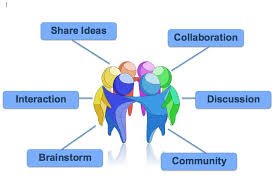
Classroom collaboration strategies play an important role in modern education, as students learn better when they actively engage with one another instead of studying in isolation. By using discussion, group tasks, and shared problem-solving, classroom collaboration strategies help learners build understanding through interaction, making lessons more meaningful and easier to remember.
In the early stages of learning, students benefit greatly from guided teamwork, where classroom collaboration strategies support open communication and shared thinking. When learners exchange ideas, explain concepts to peers, and listen to different viewpoints, they develop confidence, clarity, and a deeper connection to the subject being taught.
Why Collaboration Matters in the Classroom
Collaboration teaches students skills they will use throughout their lives. Working in groups helps learners practice communication, active listening, and respect for different viewpoints. These skills are just as important as academic knowledge.
For example, when students work together on a science project, they learn how to divide tasks, discuss observations, and combine their findings. This shared responsibility encourages accountability and helps students feel more involved in the learning process.
Creating a Supportive Collaborative Environment
Before introducing collaboration exercises for students, it is important to create a classroom culture that supports teamwork. Students should feel safe to share ideas without fear of judgment. Clear expectations about respectful behavior and listening can make a big difference.
Teachers can start with small group activities so students slowly become comfortable working together. Simple tasks, like discussing a reading passage in pairs, can help students build confidence before moving on to larger group projects.
Simple Collaboration Exercises for Students
There are many easy collaboration exercises for students that can be used across different subjects. One common method is “Think-Pair-Share.” In this activity, students first think about a question individually, then discuss their ideas with a partner, and finally share with the class.
Another effective exercise is group problem-solving. For instance, in a math class, students can work in small groups to solve a complex problem. Each student explains their reasoning, allowing others to learn different approaches.
Role-based group work is also helpful. Assigning roles such as note-taker, presenter, or timekeeper ensures that every student has a responsibility and stays engaged.
Collaborative Classroom Ideas for Everyday Lessons
Collaborative classroom ideas do not need to be complicated. Even short activities can make lessons more interactive. For example, students can work together to create a mind map on a topic, combining their ideas on paper or a board.
In language classes, group storytelling works well. Each student adds a sentence to a shared story, encouraging creativity and cooperation. In social studies, students can work in teams to research different aspects of a historical event and then teach their findings to the class.
Managing Challenges in Group Work
While collaboration has many benefits, it can also come with challenges. Some students may dominate discussions, while others stay quiet. Teachers can address this by rotating roles and checking in with groups regularly.
Clear instructions and time limits also help keep group work focused. When students understand the goal and their role, collaboration becomes more productive and less confusing.
Assessing Collaborative Learning
Assessment does not always have to focus only on the final result. Teachers can also observe how students communicate, share responsibilities, and support one another during group activities. Peer feedback can be useful as well, allowing students to reflect on their own contributions and learn from others.
Rubrics that include teamwork skills help students understand that collaboration itself is an important part of learning, not just the finished project.
Long-Term Benefits of Classroom Collaboration
Students who regularly participate in collaborative learning often develop stronger problem-solving and social skills. They learn how to explain their ideas clearly and listen to different perspectives. These abilities help them not only in school but also in future workplaces and everyday life.
When collaboration becomes a normal part of classroom routines, students are more engaged and motivated. Learning feels more active and meaningful because students are involved in the process together.
Conclusion
Classroom collaboration strategies help turn learning into a shared experience rather than an individual task. By using simple collaboration exercises for students and practical collaborative classroom ideas, educators can create an environment where students feel connected, confident, and eager to learn. With thoughtful planning and clear guidance, collaboration can become a powerful tool that supports both academic growth and essential life skills.

 English