


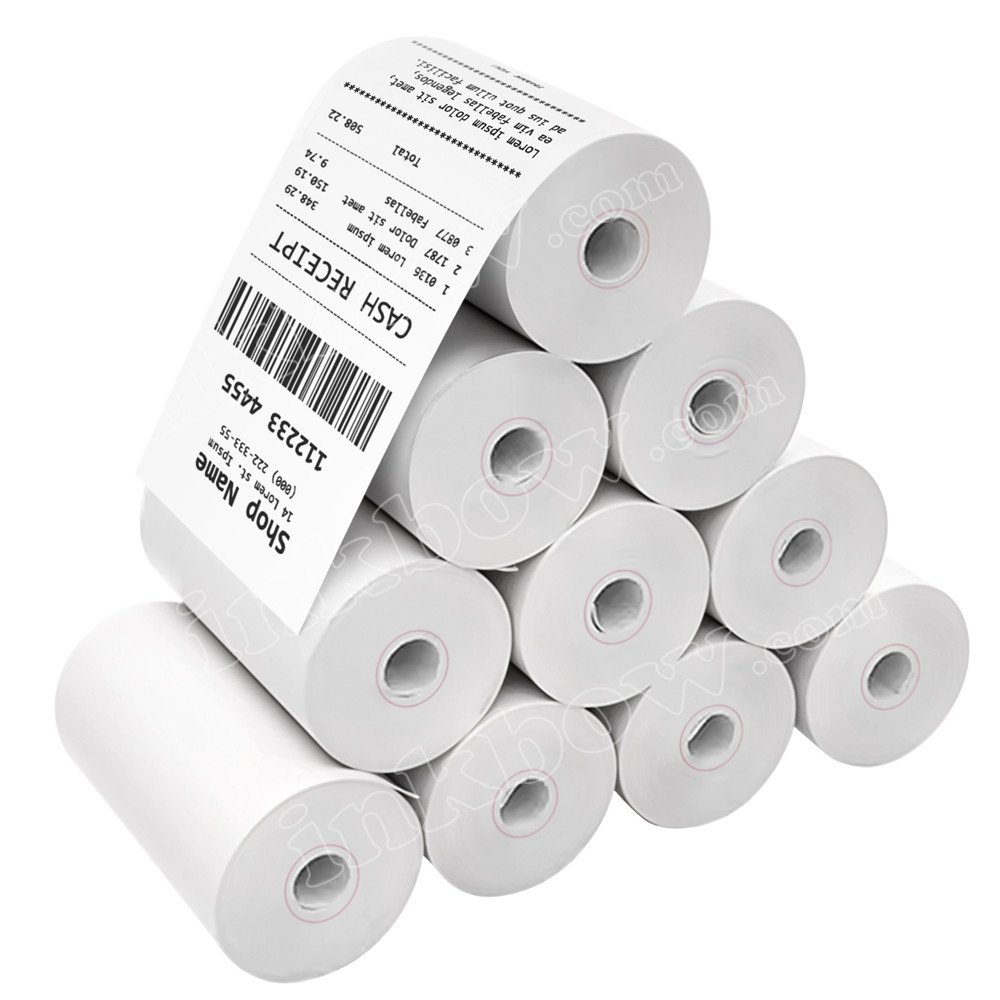
Thermal Paper Used for Clean and Consistent Print Output
Thermal paper is the foundation of modern receipt and label printing. It is widely used in retail stores, restaurants, logistics, and service counters where speed and clarity matter. Unlike traditional paper, thermal paper reacts to heat instead of ink. This simple difference makes it faster, cleaner, and easier to manage in daily operations. When businesses choose the wrong paper quality, they face fading prints, unreadable text, and scanner errors. That is why understanding how thermal paper works and where it performs best is important for smooth workflow.
How Thermal Paper Produces Text and Images
1.Heat-Reactive Surface Technology
The printer’s thermal head applies heat in precise patterns, creating text, numbers, and barcodes instantly. Because there is no ink or ribbon involved, the paper itself controls the final output quality.Poor coating leads to uneven printing and light text. High-quality thermal paper responds evenly, producing sharp contrast and consistent results across every print.
2.Direct Printing Without Consumables
One major advantage of thermal printing is the absence of ink or toner. This reduces maintenance and ongoing supply costs. However, it also means the paper must be reliable. A weak or inconsistent paper surface can strain the printer and lower efficiency over time.
Key Characteristics That Define Good Thermal Paper
1.Paper Thickness and Smoothness
Thickness affects how the paper feeds through the printer. Very thin paper may curl or tear, while overly thick paper can slow down printing. Smooth surface texture allows the thermal head to apply heat evenly, resulting in cleaner output.
A balanced thermal paper thickness ensures fewer jams and longer printer life.
2.Print Darkness and Heat Sensitivity
Quality thermal paper produces dark, readable prints at lower heat settings. This reduces stress on the printer head and improves energy efficiency. Papers that require higher heat often lead to faster hardware wear and fading issues.
3.BPA-Free and Safer Handling
Many businesses now prefer BPA-free thermal paper. It is safer for employees who handle receipts daily and align with health-conscious workplace standards. BPA-free options also support eco-aware branding without sacrificing print clarity.
Want to know more about thermal papers go to pos Software
Where Thermal Paper Is Commonly Used
1.Retail Billing and POS Receipts
Retail environments depend on clear receipts for customer trust. Item names, prices, totals, and barcodes must remain readable. Faded or smudged receipts often result in complaints and disputes.Thermal paper ensures fast checkout and clean printing even during peak hours.
2.Shipping, Warehousing, and Logistics
Shipping labels require high contrast and scannable barcodes. Low-quality paper can cause delivery delays when scanners fail to read labels.
3.Food Service and Hospitality
Restaurants use thermal paper for order tickets, kitchen slips, and bills. Speed is critical in busy environments. Reliable paper prevents interruptions and keeps operations running smoothly.
Problems That Come With Low-Quality Thermal Paper
1.Fading Over Time
Cheap thermal paper fades quickly when exposed to heat, light, or friction. Receipts can turn blank within days. This creates problems for returns, audits, and record keeping.
2.Printer Head Wear
Low-grade coatings force printers to operate at higher heat levels. Over time, this damages the thermal head. Printer repairs or replacements cost far more than investing in better paper from the start.
3.Increased Waste and Downtime
Paper jams, reprints, and unreadable output waste both time and money. Businesses often underestimate how much inefficiency comes from poor paper quality.
Selecting the Right Thermal Paper for Business Use
1.Match Paper to Printer Specifications
Each printer model supports specific widths, diameters, and core sizes. Using incorrect dimensions causes alignment issues and feeding problems. Proper fit ensures consistent performance.
2.Balance Cost With Performance
Lower-priced paper may seem attractive, but it often leads to higher long-term costs. Reliable thermal paper lasts longer, prints clearer, and protects hardware investment.
3.Store Paper in the Right Conditions
Proper storage preserves coating quality and extends shelf life.
Final Thoughts on Thermal Paper Performance
Thermal paper is more than a printing supply. It directly affects print clarity, equipment lifespan, and daily efficiency. From receipts and labels to order tickets and records, quality paper supports smooth business operations.Choosing the right thermal paper once can prevent repeated problems later. Clean prints, reliable scans, and consistent results all begin with dependable paper selection.
For related more blogs or articles visit here

 English