


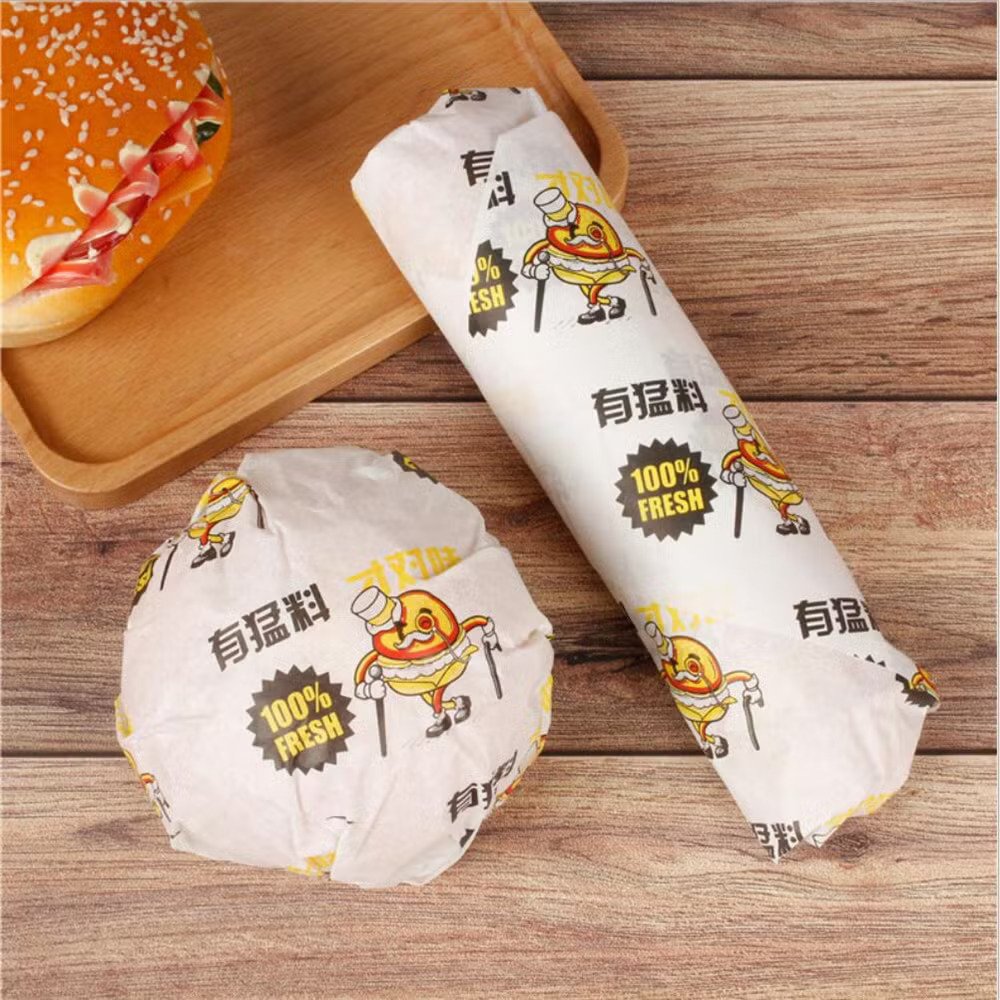
Keeping different foods apart during cooking and serving prevents problems in any restaurant. Food separation techniques help maintain quality and safety for every customer who visits. These methods protect people from getting sick and keep dishes tasting exactly right. Smart restaurant owners know that separating foods properly brings many important benefits to their business.
How Does Food Separation Keep Customers Safe From Sickness?
Separating raw meats from ready to eat foods stops harmful bacteria from spreading around. When chicken juice touches salad greens it can make people very sick afterward. Using different cutting boards for meats and vegetables protects everyone who eats there. Clean knives and separate work spaces reduce cross contact between different food types. Many illnesses happen because restaurants mix foods that should stay completely apart from each other.
What Money Do Restaurants Save By Using Separation Methods?
Proper separation cuts down on wasted products that get thrown away each day. When foods touch each other by accident both items often go into trash bins. Restaurants lose hundreds of dollars monthly from mixed up batches of prepared items and ingredients. Training staff to separate correctly means less product loss and better profit margins overall. Smart separation practices help CA businesses keep more money in their accounts every single month.
Can Food Separation Techniques Improve How Dishes Actually Taste?
Strong flavors from one dish can ruin another dish when they touch during prep time. Onions stored next to desserts will make sweets taste strange and completely wrong for customers. Fish odors transfer easily to breads and pastries when stored in the same cold storage areas. Quality paper wrapping keeps each item tasting exactly how chefs intended it to taste originally. Separated storage means every plate leaving your kitchen delivers perfect flavor profiles to diners.
Why Do Health Inspectors Check For Proper Food Separation During Restaurant Visits?
Health departments require restaurants to keep certain foods away from other types at all times. Inspectors look for separate storage areas and different tools used for handling various ingredients properly. Failing separation checks can result in closures or heavy fines that hurt business operations badly. Following separation rules helps restaurants pass inspections and maintain licenses needed to stay open daily. These requirements exist because separation directly affects public health in very serious ways for communities.
How Does Separation Help Restaurants Serve Customers With Special Diet Needs?
People with allergies need absolute certainty that their orders contain no forbidden ingredients at all. Using food grade custom wax paper sheets between different items prevents accidental mixing during busy service times. Dedicated preparation zones for allergen free orders protect sensitive customers from dangerous reactions and symptoms. More diners choose restaurants that take separation seriously when preparing special dietary request orders carefully. Meeting these needs expands your customer base and builds loyalty among people with restrictions.
What Role Does Training Play In Teaching Staff About Separation Importance?
New workers must learn which foods never belong near each other in any situation whatsoever. Regular training sessions keep separation techniques fresh in the minds of all team members working shifts. WaxPapersHub CA provides resources that help restaurants educate their staff about proper wrapping and separation. Clear signs and color coded systems make it easier for busy employees to remember rules. Good training reduces mistakes that could harm customers or damage your restaurant reputation in communities.
Does Food Separation Actually Make Kitchen Workflow More Efficient For Workers?
Organized separation systems help cooks find ingredients faster during peak dining hours when speed matters most. When everything has its proper place staff waste less time searching for needed items around kitchens. Separate zones for different tasks reduce confusion and prevent workers from getting in each other's way. Efficiency improves when team members know exactly where each type of ingredient belongs, always without asking. Better workflow means faster service and happier customers who receive orders more quickly than before.
Can Proper Separation Extend How Long Fresh Ingredients Stay Good For Use?
Foods stored correctly away from strong smelling items last longer before spoiling or losing quality characteristics. Moisture from one product can damage another when items sit too close together in storage. Using quality food paper between layers keeps produce fresh and prevents premature rotting or wilting problems. Proper separation reduces how often restaurants must reorder supplies because items went bad too early. Extended freshness means lower costs and better quality ingredients going into every single dish served.
Conclusion
Restaurants that master food separation techniques create safer dining experiences for everyone who walks through doors. These practices save money while improving taste and meeting important health regulations for business operations. Training your team properly ensures consistent separation habits that protect both customers and your business reputation. Investing time into separation methods pays off through better reviews and returning customers who trust you. Smart separation is not optional but rather essential for any successful restaurant in modern times.

 English