


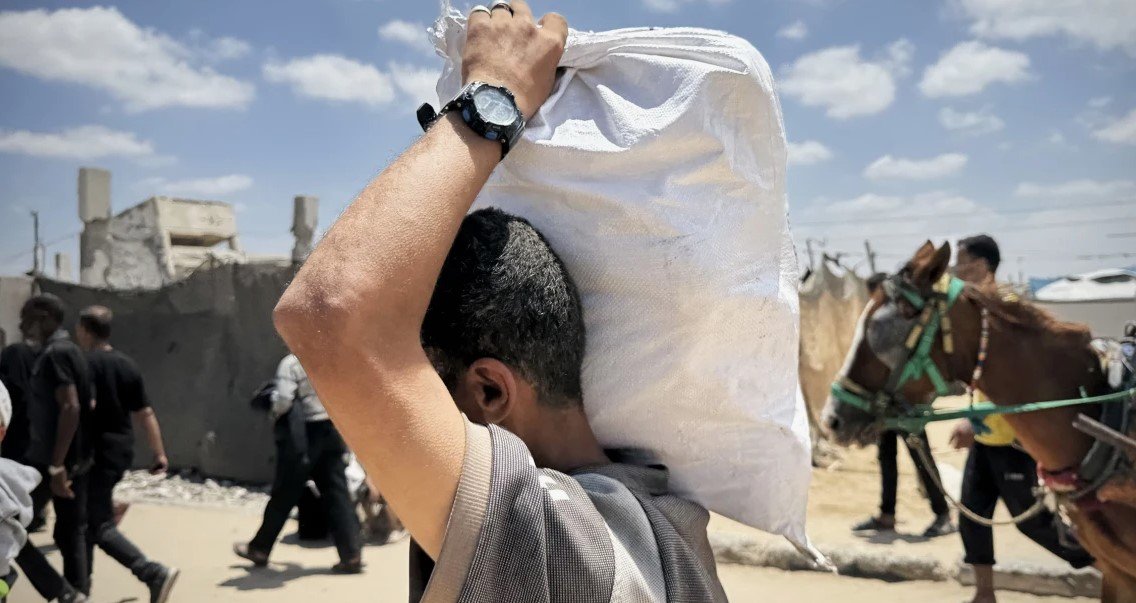
A relief foundation for Gaza is a specialized humanitarian organization — or a dedicated program within a broader charity — that focuses its resources, personnel, and advocacy on addressing the acute and chronic needs of civilians living in or displaced from the Gaza Strip. These foundations exist because the scale and complexity of the Gaza crisis demands focused, expert-led intervention rather than generalized emergency response. While large multilateral bodies like the United Nations play a coordinating role, relief foundations often operate with greater speed, flexibility, and community embeddedness than intergovernmental agencies.
The need for dedicated relief foundations targeting Gaza has become increasingly urgent since the conflict intensified in October 2023. The destruction of infrastructure, mass displacement of over a million people, collapse of the healthcare system, and severe restriction of food and water access have created a humanitarian environment that requires sustained, specialized attention. Relief foundations bridge the gap between international funding and ground-level delivery, ensuring that donations from the global public are converted into tangible assistance for families who have lost everything.
Core Programs Operated by Gaza Relief Foundations
The most impactful relief foundations working on Gaza operate across several interconnected program areas that together address the full spectrum of civilian need. Emergency food assistance is almost universally the first priority. Foundations coordinate with local partners to distribute food parcels, operate community kitchens, and support bakeries with fuel and flour — particularly critical given that commercial food supply chains inside Gaza have been almost entirely destroyed.
Medical assistance programs form the second major pillar of relief foundation work. This includes supplying hospitals and field clinics with medicines, surgical consumables, and diagnostic equipment; funding the salaries of local health workers who continue to serve despite not receiving government pay; and sponsoring the medical evacuation of patients with conditions that cannot be treated inside Gaza. Some foundations have established mobile medical units that travel to areas where fixed health facilities have been destroyed or are unreachable due to active fighting.
Shelter and non-food item distribution is the third critical program area. With hundreds of thousands of families living in makeshift camps, damaged buildings, or overcrowded UN facilities, the need for tarpaulins, blankets, mattresses, and hygiene kits is continuous and enormous. Foundations that maintain warehouse capacity and strong logistics networks in neighboring countries such as Egypt and Jordan are best positioned to move these supplies quickly when border crossings open.
How Relief Foundations Navigate Access and Security Challenges
Working inside Gaza is extraordinarily dangerous and logistically complex. Relief foundations must navigate a constantly shifting security environment, obtain clearances from multiple parties, coordinate with UN agencies and local authorities, and adapt their distribution plans in real time as conditions on the ground change. Organizations that have been operating in Gaza or in the broader Palestinian context for years before the current crisis have a significant operational advantage — they have established relationships, local staff, and institutional knowledge that newer entrants lack.
Many foundations have developed hybrid operational models that combine international oversight with local implementation. International directors and program managers based outside Gaza maintain strategic oversight, manage donor relations, and handle regulatory compliance, while local teams inside Gaza carry out distributions, assess needs, and maintain contact with affected communities. This model reduces security exposure for international staff while ensuring that people who understand the community are directing the actual relief work.
Accountability and Transparency in Gaza Relief Foundations
Donor trust is the lifeblood of any relief foundation, and organizations working on Gaza are acutely aware that their credibility depends on maintaining rigorous standards of financial accountability and program transparency. Reputable foundations publish annual reports, undergo independent financial audits, and provide donors with regular programmatic updates detailing what has been distributed, to whom, and with what measurable impact. Many have adopted digital reporting tools that allow near-real-time tracking of aid distributions and beneficiary numbers.
The landscape of Gaza-focused fundraising also includes, unfortunately, a number of fraudulent or poorly managed campaigns that exploit public sympathy without delivering meaningful assistance. Donors are strongly advised to verify that any foundation they support is registered with the relevant charity regulatory authority in their country, has a verifiable physical presence and track record, and publishes accessible financial information. Platforms like Charity Navigator, GuideStar, and the UK Charity Commission's public register are useful tools for vetting organizations before donating.
Why Supporting a Relief Foundation for Gaza Is Effective Giving
Giving through a dedicated relief foundation for Gaza is one of the most direct ways that individuals anywhere in the world can respond to the crisis. Unlike general-purpose international charities, Gaza-focused foundations channel the full weight of their institutional capacity toward a single, clearly defined crisis. Their staff expertise, partner networks, and operational systems are specifically calibrated for the Gaza context, which typically translates into more efficient use of donor funds and faster delivery of assistance.
Moreover, foundations that maintain a long-term commitment to Gaza — rather than responding only during peak media attention — are better positioned to support recovery and reconstruction when the immediate emergency phase eventually passes. Rebuilding schools, restoring healthcare facilities, supporting livelihoods, and providing psychosocial rehabilitation will require years of sustained investment. Donors who build an ongoing relationship with a trustworthy relief foundation contribute not just to emergency response but to the longer arc of recovery.
FAQs
What distinguishes a Gaza relief foundation from a general humanitarian charity?
A Gaza-focused foundation dedicates its expertise, networks, and funding specifically to the Palestinian crisis, allowing for deeper contextual knowledge and more targeted program design than a generalist organization managing dozens of global emergencies simultaneously.
How do I know if a Gaza relief foundation is legitimate?
Check for charity registration in your country, published financial statements, independent audits, and a verifiable on-the-ground presence. Legitimate organizations will never pressure donors or make vague promises about fund usage.
Can I specify how my donation to a relief foundation is used?
Many foundations offer restricted giving options that allow donors to direct their contribution toward a specific program such as food aid, medical supplies, or orphan support. Check the organization's website for available giving categories.
Do Gaza relief foundations accept Zakat?
Many Islamic relief foundations accept Zakat contributions and apply them to eligible program categories in compliance with Islamic jurisprudence. The organization will typically clarify which programs qualify for Zakat on their website or upon request.
Are donations to Gaza relief foundations tax-deductible?
Tax deductibility depends on the country of the donor and the registration status of the organization. Foundations registered as nonprofits or charities in most Western countries will issue tax receipts for eligible donations.
How quickly does aid reach Gaza after a donation is made?
Established foundations with pre-positioned supplies and active field teams can deploy aid within days of receiving funds, though the actual delivery to beneficiaries inside Gaza depends on access conditions and border crossing availability.

 English