


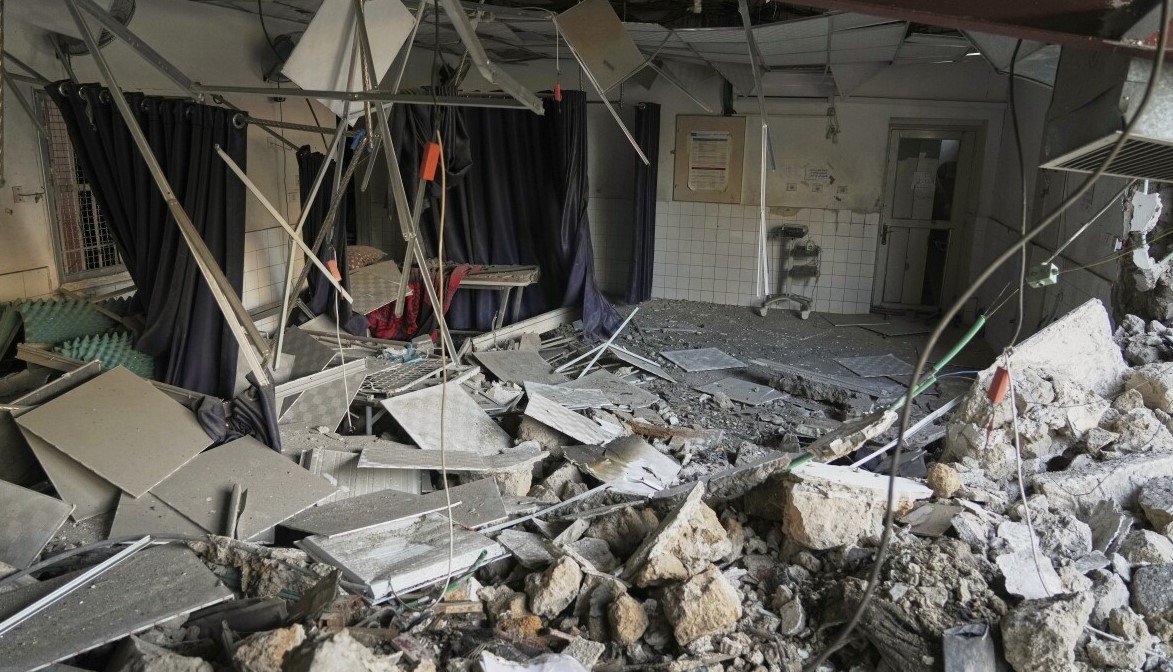
Gaza's healthcare system, already operating under strain before the current conflict, has been pushed to the point of near-total collapse. Hospitals have been damaged or destroyed, medical staff have been killed or displaced, pharmaceutical supplies have run critically low, and the fuel needed to power generators — the last resort when the electrical grid fails — is frequently unavailable. The medical funds needs for Gaza are not a supplementary concern in the broader humanitarian response; they are central to it. Without adequate healthcare financing, people are dying from conditions that would be readily treatable under normal circumstances.
Before October 2023, Gaza's health system was already chronically underfunded, relying heavily on international donor support to maintain basic functionality. The Palestinian Ministry of Health depended on external grants and aid for a significant portion of its pharmaceutical procurement and equipment maintenance budget. The escalation of conflict did not create the funding problem — it catastrophically worsened an existing structural deficit. Today, the gap between what is needed to sustain even a minimal level of healthcare service and what is actually available through international funding represents one of the most urgent financial deficits in global humanitarian medicine.
What Medical Funds for Gaza Are Used For
Understanding how medical funds are used in Gaza is essential for donors who want to give effectively. The most immediate and critical use is the procurement of essential medicines and consumables. This includes antibiotics to treat infected wounds, analgesics and anesthetics for surgical procedures, antiseptics and wound dressings, intravenous fluids, blood bags, insulin for diabetic patients, and a wide range of other medications that have either run out or are available only in severely restricted quantities inside Gaza.
Surgical supplies represent a second major category of expenditure. The volume of traumatic injuries resulting from the conflict — blast wounds, crush injuries, burns, and gunshot wounds — has placed extraordinary demands on surgical capacity. Operating theaters require sterile gloves, sutures, surgical drapes, cauterization equipment, and orthopedic hardware for bone reconstruction. Many of these items are consumable and must be regularly replenished. A single complex surgery can use hundreds of individual consumable items, and Gaza's hospitals are performing such procedures around the clock.
Medical fund allocations also go toward maintaining hospital infrastructure and operational capacity. This means paying for fuel to run generators when the electricity grid is down, repairing damaged medical equipment, maintaining cold chain systems for vaccines and temperature-sensitive medicines, and covering the salaries of health workers who are continuing to report for duty despite months without government pay. Some international medical funds have also financed the construction or rehabilitation of field hospitals and temporary medical facilities in areas where permanent hospitals are no longer functional.
The Human Cost of Inadequate Medical Funding in Gaza
The consequences of insufficient medical funding in Gaza are measured in human lives. Patients who require dialysis — typically three sessions per week — are receiving far fewer treatments as machines break down and replacement parts cannot be obtained. Cancer patients whose chemotherapy has been interrupted face disease progression that will shorten their lives. Premature infants in neonatal units are at risk when incubators fail and backup power is unavailable. Mothers delivering in conditions without adequate sterile equipment or trained personnel face preventable complications.
Amputations are being performed in Gaza at rates not seen in modern medicine in decades, partly because wounds that could have been treated with timely intervention and appropriate antibiotics have instead progressed to the point where limb salvage is no longer possible. Mental health services, already scarce before the conflict, are essentially nonexistent as a funded healthcare priority — despite the fact that the entire population of Gaza is experiencing trauma at a scale that would constitute a mental health crisis on its own even without the physical health emergency running parallel to it.
How International Medical Funds Reach Gaza's Healthcare Workers
The pathway from donor contribution to medical care delivery in Gaza involves multiple actors and logistical steps. International medical charities and foundations typically procure medicines and supplies from manufacturers or international distributors, arrange shipment to staging locations in Egypt or Jordan, coordinate with UN agencies and border authorities for entry into Gaza, and then work with local health partners for final distribution to hospitals and clinics. Each stage of this supply chain carries costs, delays, and risks that are factored into the operational budgets of well-run medical aid programs.
Some organizations have developed innovative approaches to accelerate supply delivery, including pre-positioning strategic reserves in warehouses near the Gaza border so that supplies can move quickly when crossings open. Others have supported local pharmaceutical production capacity where possible, and several have funded telemedicine platforms that allow international medical specialists to provide remote consultation and guidance to Gaza's overstretched healthcare workers. These adaptive strategies reflect the creativity and determination of the humanitarian medical community in the face of severe logistical constraints.
Why Sustained Medical Funding for Gaza Is Essential
The medical crisis in Gaza is not a short-term emergency that will resolve itself once the acute phase of the conflict passes. The destruction of healthcare infrastructure, the exodus of trained medical professionals, and the massive backlog of untreated medical conditions will require years of sustained investment to address. A child who lost a limb in a blast will need prosthetics, rehabilitation, and psychological support for years. A community whose only hospital was destroyed will need not just reconstruction funds but equipment procurement, staff training, and operational support for the rebuilt facility.
Donors who commit to sustained medical funding — through monthly giving programs, institutional grants, or multi-year pledges — provide the predictability that healthcare organizations need to plan and sustain their operations. Emergency appeals generate important one-time inflows, but it is the consistent, ongoing financial support that allows organizations to maintain field teams, keep supply pipelines active, and respond immediately when needs escalate.
FAQs
What medical supplies are most urgently needed in Gaza right now?
The most critical needs include essential medicines such as antibiotics, anesthetics, and insulin; surgical consumables including sutures and wound dressings; dialysis supplies; fuel for hospital generators; and orthopedic hardware for trauma cases.
Which organizations are directing medical funds specifically to Gaza?
Organizations including the World Health Organization, Médecins Sans Frontières, Medical Aid for Palestinians, Islamic Relief, and numerous specialized medical charities are actively funding healthcare operations in Gaza.
How can I be sure my medical donation reaches Gaza hospitals?
Look for organizations that publish detailed program reports specifying what supplies were delivered, to which facilities, and with what outcomes. Independent audits and UN coordination add additional layers of accountability.
Can medical donations be counted as Zakat?
Medical donations that directly benefit impoverished or needy individuals — which describes the overwhelming majority of Gaza's population — are generally considered Zakat-eligible. Consult your organization or a qualified Islamic scholar for specific guidance.
Why is fuel such a critical part of medical funding for Gaza?
Without fuel, hospital generators cannot run. Without generators, operating theaters go dark, incubators fail, refrigerated medicines spoil, and water pumping systems shut down. Fuel is effectively the lifeblood of Gaza's hospital system during grid outages.
Is there a shortage of medical personnel as well as supplies in Gaza?
Yes. Many doctors, nurses, and technicians have been killed, injured, or displaced. International medical funds that cover staff salaries help retain the remaining healthcare workforce and incentivize trained personnel to continue working in dangerous conditions.

 Turkish