


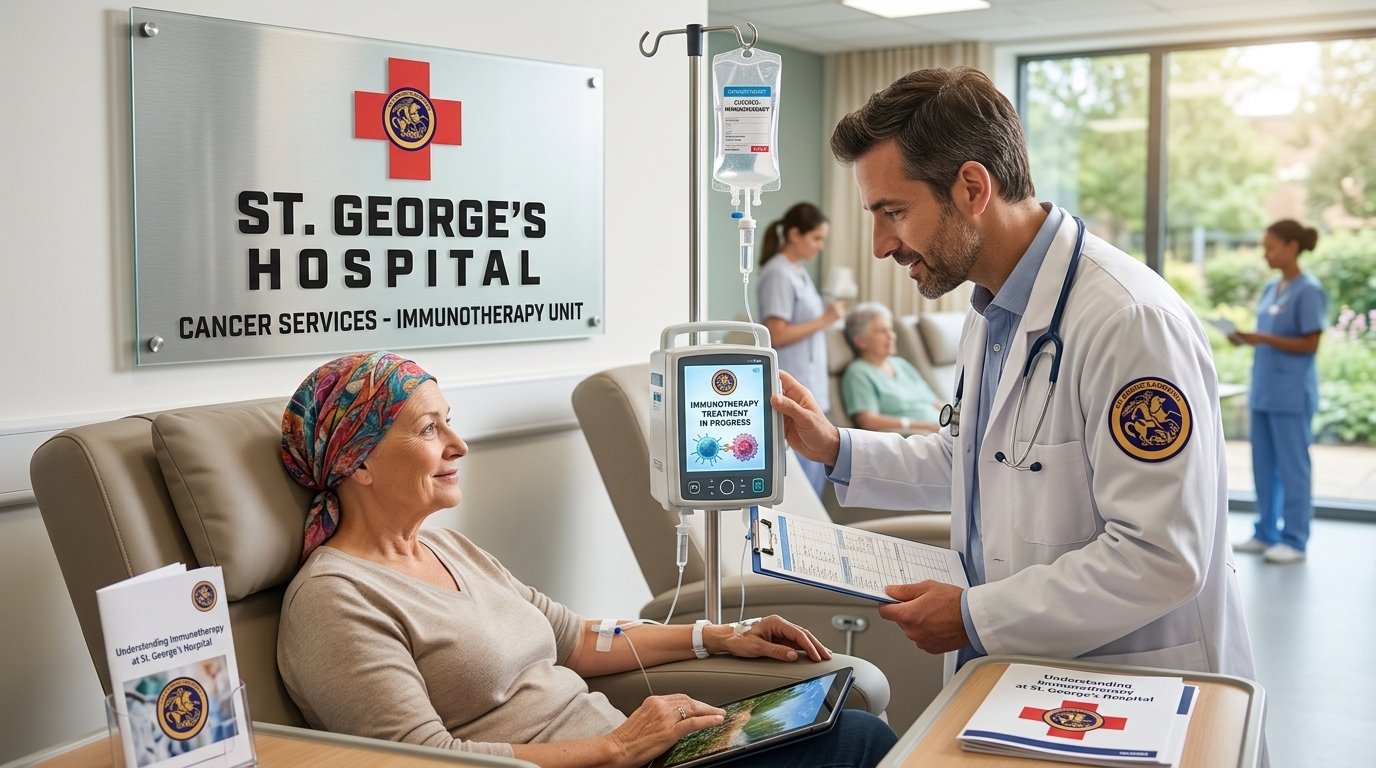
In recent years, Immunotherapy Cancer treatment has emerged as one of the most promising advancements in modern oncology. Unlike traditional treatments such as chemotherapy and radiation, immunotherapy works by strengthening the body's own immune system to recognize and fight cancer cells. This innovative approach has transformed how many cancers are treated, offering new hope to patients and families. At St George Hospital, cancer specialists provide advanced treatment options and personalized care plans that include immunotherapy where appropriate.
Understanding whether immunotherapy can cure cancer requires a closer look at how it works, the types of cancers it treats, and the outcomes patients may expect. While it has shown remarkable success in certain cases, the effectiveness of immunotherapy depends on multiple factors including cancer type, stage, and individual patient response.
What is Immunotherapy?
Immunotherapy is a type of cancer treatment that uses the body's immune system to detect and destroy cancer cells. Normally, the immune system identifies harmful cells and eliminates them. However, cancer cells can sometimes avoid detection by disguising themselves or suppressing immune responses.
In Immunotherapy Cancer care, specialized drugs help boost the immune system or remove the barriers that prevent immune cells from attacking tumors. These treatments may include checkpoint inhibitors, monoclonal antibodies, cancer vaccines, and cell-based therapies. Each method works differently but shares the same goal of enhancing the body’s natural defense system.
How Immunotherapy Works Against Cancer
Immunotherapy works by enabling immune cells, particularly T-cells, to recognize cancer cells as threats. Some treatments block specific proteins that prevent immune responses, allowing the immune system to act more aggressively against tumors.
Other therapies involve modifying a patient’s immune cells in a laboratory before reintroducing them into the body to target cancer more effectively. These advanced approaches have shown significant success in certain cancers, including melanoma and lung cancer.
Specialists at St George Hospital assess each patient’s condition carefully before recommending immunotherapy as part of a comprehensive Immunotherapy Cancer treatment plan.
Can Immunotherapy Cure Cancer?
The question of whether immunotherapy can cure cancer does not have a simple answer. In some cases, immunotherapy has led to long-term remission, where cancer disappears and does not return for many years. For certain cancers, this can be considered a functional cure.
However, not all cancers respond to immunotherapy in the same way. Some patients experience partial tumor reduction, while others may not respond at all. The success of Immunotherapy Cancer treatment depends on factors such as tumor type, genetic characteristics, and overall patient health.
At institutions like St George Hospital, oncologists use advanced diagnostic tools to determine whether immunotherapy is the right approach for each patient.
Types of Immunotherapy Treatments
There are several types of immunotherapy used in cancer care. Checkpoint inhibitors are among the most common and work by blocking proteins that prevent immune cells from attacking cancer. These drugs have shown strong results in treating melanoma, lung cancer, and kidney cancer.
Monoclonal antibodies are laboratory-made proteins that target specific markers on cancer cells, helping the immune system identify and destroy them. Cancer vaccines stimulate the immune system to respond to cancer cells more effectively.
Cell-based therapies, such as CAR T-cell therapy, involve modifying a patient’s immune cells to better target cancer. These treatments represent a growing field within Immunotherapy Cancer research and clinical practice.
Benefits of Immunotherapy
Immunotherapy offers several advantages compared to traditional cancer treatments. It provides a more targeted approach, reducing damage to healthy tissues. Some patients experience fewer side effects than chemotherapy.
One of the most significant benefits is the potential for long-lasting responses. Even after treatment ends, the immune system may continue to recognize and attack cancer cells. This lasting effect makes Immunotherapy Cancer treatment a valuable option in certain cases.
At St George Hospital, specialists carefully evaluate the potential benefits and risks before recommending immunotherapy.
Limitations and Challenges
Despite its promise, immunotherapy is not effective for every patient. Some tumors develop resistance or do not respond to treatment. Additionally, immune-related side effects can occur when the immune system attacks healthy tissues.
These side effects may include inflammation in organs such as the lungs, liver, or intestines. Careful monitoring is essential to manage these complications safely.
Oncology teams at St George Hospital provide close supervision and supportive care to ensure patients undergoing Immunotherapy Cancer treatment receive safe and effective management.
Who Is a Candidate for Immunotherapy?
Not all patients are suitable candidates for immunotherapy. Doctors consider several factors including cancer type, stage, genetic markers, and previous treatments. Some cancers respond better to immunotherapy than others.
Patients may undergo biomarker testing to determine whether their tumors are likely to respond to treatment. This personalized approach helps improve success rates and reduces unnecessary treatment risks.
Healthcare providers at St George Hospital use advanced diagnostic tools to guide decision-making in Immunotherapy Cancer treatment planning.
Immunotherapy in Combination with Other Treatments
Immunotherapy is often used alongside other cancer treatments such as chemotherapy, radiation therapy, or surgery. Combining treatments can improve overall effectiveness and increase the chances of controlling cancer.
For example, chemotherapy may shrink tumors, making them more responsive to immunotherapy. Radiation therapy can expose cancer cells to the immune system, enhancing treatment results.
This integrated approach reflects the evolving role of Immunotherapy Cancer in comprehensive cancer care strategies.
Future of Immunotherapy in Cancer Treatment
Research in immunotherapy continues to advance rapidly. Scientists are developing new drugs, improving existing therapies, and exploring ways to expand treatment effectiveness to more cancer types.
Clinical trials play a key role in discovering innovative approaches and improving patient outcomes. The future of Immunotherapy Cancer treatment holds great promise as technology and medical knowledge continue to evolve.
Hospitals such as St George Hospital remain committed to adopting advanced treatment options and providing high-quality cancer care.
Conclusion
Immunotherapy represents a significant breakthrough in cancer treatment by harnessing the body's immune system to fight disease. While it has shown the potential to achieve long-term remission and, in some cases, functional cures, its effectiveness varies depending on individual circumstances.
Patients considering immunotherapy should consult experienced oncology specialists to determine the best treatment plan. At St George Hospital, comprehensive evaluation and personalized care ensure that each patient receives the most appropriate approach.
With ongoing research and technological advancements, Immunotherapy Cancer treatment continues to shape the future of cancer care and offers hope to patients worldwide.
Frequently Asked Questions About Immunotherapy Cancer
What is immunotherapy in cancer treatment?
Immunotherapy is a medical treatment that helps the body's immune system recognize and destroy cancer cells more effectively. It is widely used in modern Immunotherapy Cancer care to improve treatment outcomes.
Can immunotherapy completely cure cancer?
In some cases, immunotherapy can lead to long-term remission where cancer does not return, which may be considered a functional cure. However, results vary depending on cancer type and patient response.
How long does immunotherapy treatment last?
Treatment duration depends on the type of cancer and how well the patient responds. Some patients receive therapy for months, while others may continue treatment for several years under medical supervision.
What types of cancer respond best to immunotherapy?
Cancers such as melanoma, lung cancer, kidney cancer, and certain blood cancers have shown strong responses to immunotherapy. Ongoing research continues to expand its use.
Are there side effects of immunotherapy?
Yes, immunotherapy may cause side effects such as fatigue, skin reactions, or inflammation in different organs. These effects are usually manageable with proper medical care.
Is immunotherapy safer than chemotherapy?
Immunotherapy is often considered more targeted and may have fewer side effects than chemotherapy, but it still carries risks. Treatment decisions depend on individual patient needs.
Who can receive immunotherapy treatment?
Eligibility depends on cancer type, stage, and specific biomarkers. Doctors perform tests to determine if a patient is suitable for Immunotherapy Cancer treatment.
Does immunotherapy work immediately?
Immunotherapy may take time to show results because it works by strengthening the immune system. Some patients notice improvement after several weeks or months.
Can immunotherapy be combined with other treatments?
Yes, immunotherapy is often combined with chemotherapy, radiation, or surgery to improve treatment effectiveness and patient outcomes.
Where can patients receive immunotherapy treatment?
Patients can receive immunotherapy at specialized cancer centers and hospitals such as St George Hospital, where expert teams provide advanced Immunotherapy Cancer care.

 English