


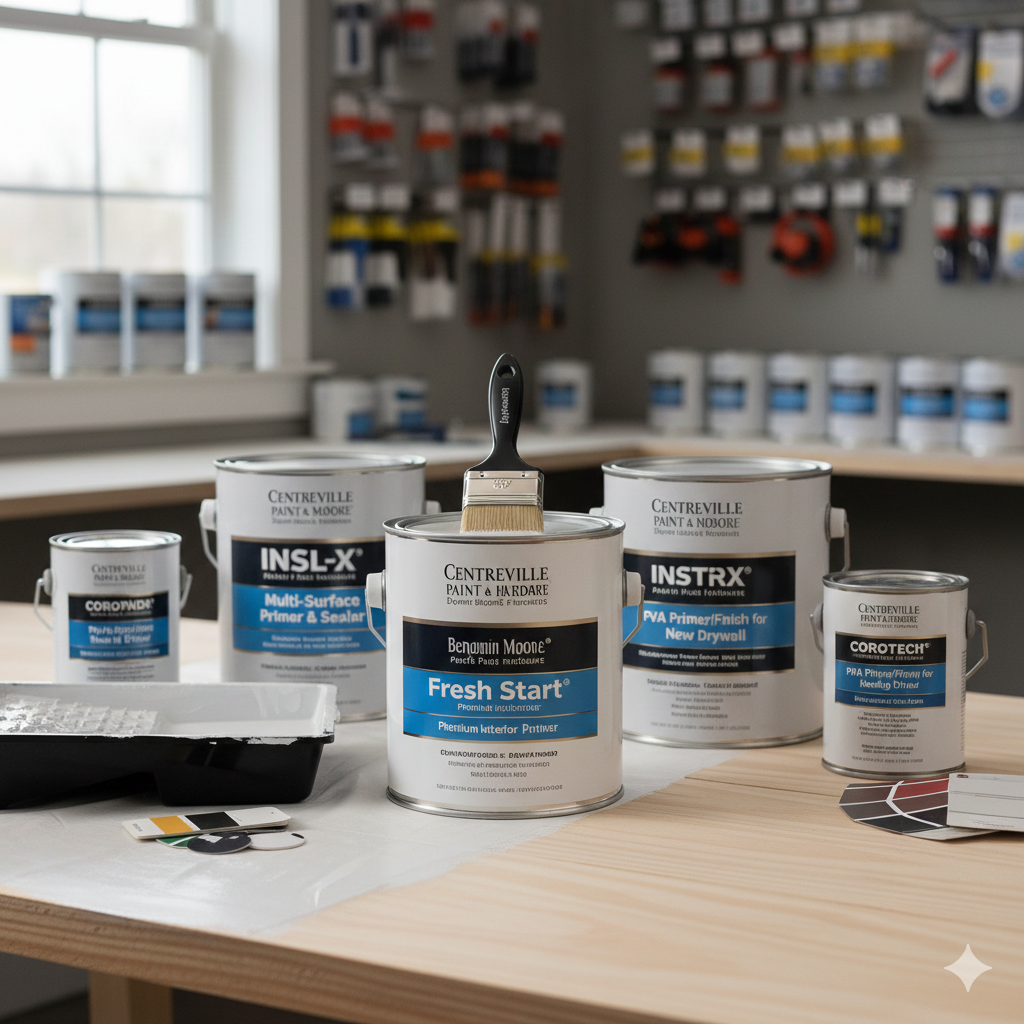
A successful painting project depends on more than just choosing the right color. Proper preparation and the use of the right products play a major role in determining how well the final result looks and lasts. When surfaces are prepared correctly, the finish becomes smoother, more durable, and visually appealing.
Understanding the Basics of Surface Preparation
Before applying any color, preparing the surface is essential. This process involves cleaning, repairing imperfections, and ensuring the area is ready for coating. A well-prepared surface allows better adhesion and improves the overall outcome.
Using paint and primer correctly creates a strong foundation that supports even coverage and long-term durability.
Why Primer Is Important
Primer acts as a base layer that prepares the surface for the topcoat. It helps paint adhere better and ensures a uniform finish. Without primer, surfaces may absorb paint unevenly, leading to patchy results and reduced longevity.
Some key benefits of using primer include:
- Creating a smooth and even base
- Sealing porous materials like wood and drywall
- Covering stains and imperfections
- Enhancing the final color appearance
Benefits of Using the Right Coating System
A proper combination of base and top layers provides several advantages.
Improved Coverage
Primer reduces absorption, allowing the paint to spread evenly and reducing the number of coats needed.
Enhanced Durability
A well-prepared surface prevents peeling, cracking, and chipping over time.
Cost Efficiency
Better coverage means less paint is required, saving both time and resources.
Surface Protection
The base layer adds protection against moisture and environmental factors, extending the life of the finish.
Types of Paint and Primer
Different surfaces require different types of products to achieve the best results.
Water-Based Options
These are commonly used for indoor projects due to their quick drying time and low odor.
Oil-Based Options
These provide a more durable finish and are suitable for wood, metal, and high-traffic areas.
Specialty Primers
Certain primers are designed for specific needs, such as stain blocking, moisture resistance, or rust prevention.
When to Use Separate Primer
While combined products are available, there are situations where using a separate base layer is more effective.
- When painting over dark or bold colors
- On new or untreated surfaces
- When covering stains or damage
- On uneven or porous materials
In these cases, applying primer separately ensures better adhesion and long-lasting results.
Application Tips for Best Results
To achieve a professional finish, follow these practical tips:
- Clean and prepare the surface thoroughly
- Choose the right primer for the material
- Allow proper drying time between coats
- Use quality tools for even application
- Apply multiple thin coats for consistent coverage
These steps help create a smooth and durable finish.
Common Mistakes to Avoid
Avoiding common errors can improve the quality of your work.
- Skipping surface preparation
- Using the wrong type of primer
- Applying paint before the base layer is fully dry
- Applying too much product at once
Being mindful of these mistakes helps achieve better and longer-lasting results.
Conclusion
Achieving a flawless finish requires the right approach and attention to detail. By understanding the role of each layer and using the correct techniques, you can improve both the appearance and durability of your project. Proper use of paint and primer ensures smooth coverage, strong adhesion, and a finish that stands the test of time.

 English