


Complete Guide to Vehicle Recovery Straps for Safe and Efficient Use
Introduction
When it comes to vehicle safety and roadside emergencies, having the right equipment can make a significant difference. Whether you are dealing with off-road challenges or unexpected breakdowns, vehicle recovery straps are essential tools for drivers across the United Kingdom. Designed to provide strength, flexibility, and reliability, these straps help recover stuck or immobilised vehicles without causing damage. In this guide, we will explore everything you need to know about choosing, using, and maintaining recovery straps effectively.
What Are Vehicle Recovery Straps
Vehicle recovery straps are heavy-duty webbing tools designed to tow or recover vehicles that are stuck, bogged down, or unable to move. Unlike chains or ropes, these straps are typically made from high-strength polyester or nylon, offering both durability and controlled elasticity. This slight stretch helps absorb shock during recovery, reducing stress on both vehicles.
In the UK, these straps are widely used by off-road enthusiasts, farmers, and everyday drivers who want to be prepared for emergencies. Their lightweight design and ease of storage make them a practical addition to any vehicle kit.
Benefits of Using Vehicle Recovery Straps
One of the main advantages of vehicle recovery straps is their ability to handle heavy loads without snapping. This makes them safer than traditional towing methods. The elasticity in the strap also reduces sudden jerks, which can damage towing points or chassis components.
Another key benefit is versatility. These straps can be used in a variety of situations, from pulling vehicles out of mud to assisting with roadside breakdowns. Additionally, they are easier to handle compared to chains, making them suitable for both professionals and beginners.
Drivers in the UK also appreciate their portability. Unlike bulky towing equipment, recovery straps can be stored easily in the boot, ensuring they are always accessible when needed.
Choosing the Right Recovery Strap
Selecting the right vehicle recovery straps is crucial for both safety and efficiency. First, consider the weight rating. Always choose a strap with a minimum breaking strength that exceeds your vehicle’s weight. This ensures reliable performance during recovery.
Material quality is another important factor. High-grade polyester straps are preferred due to their resistance to abrasion, UV rays, and moisture. Reinforced loops or end fittings also enhance durability and ease of use.
Length is equally important. Longer straps provide better flexibility and safer distance between vehicles during recovery. However, they should still be manageable and easy to control.
For those looking for dependable solutions, The Ratchet Shop offers a range of high-quality straps designed to meet UK safety standards and performance expectations.
How to Use Recovery Straps Safely
Using vehicle recovery straps correctly is essential to avoid accidents or damage. Start by inspecting the strap for any signs of wear, cuts, or fraying. Never use a damaged strap.
Secure the strap to designated recovery points on both vehicles. Avoid attaching it to weak components such as bumpers or suspension parts. Ensure both drivers communicate clearly before beginning the recovery process.
Gradual tension is key. Avoid sudden acceleration, as this can create excessive force and lead to failure. Instead, apply steady pressure to allow the strap’s elasticity to work effectively.
Always maintain a safe distance and ensure bystanders stay clear of the recovery area. Safety should always be the top priority when handling recovery equipment.
Difference Between Recovery Straps and Ratchet Straps
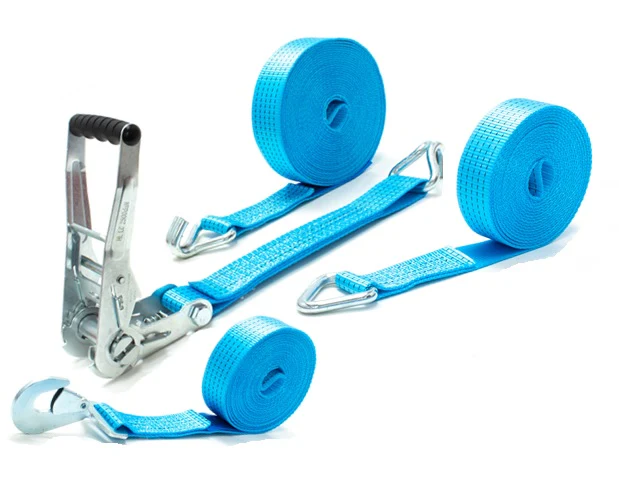
While vehicle recovery straps are designed for towing and recovery, adjustable ratchet straps serve a different purpose. Ratchet straps are mainly used for securing loads during transportation, such as holding cargo in place on trailers or vans.
The main difference lies in elasticity. Recovery straps are designed to stretch slightly, whereas adjustable ratchet straps are rigid and do not provide shock absorption. Using the wrong type of strap for recovery can lead to equipment failure or vehicle damage.
Both types of straps are essential for different applications, and having both in your vehicle toolkit can enhance overall preparedness.
Maintenance and Storage Tips
Proper care extends the lifespan of your vehicle recovery straps. After each use, clean the strap to remove dirt, mud, or debris. This prevents material degradation over time.
Allow the strap to dry completely before storing it. Moisture can weaken fibres and lead to mould growth. Store the strap in a cool, dry place away from direct sunlight.
Regular inspection is also important. Check for signs of wear, especially around the loops and stitching. Replacing worn straps promptly ensures continued safety and performance.
Why Quality Matters in Recovery Equipment
Investing in high-quality vehicle recovery straps is not just about performance but also safety. Cheap or poorly manufactured straps can fail under pressure, posing serious risks to both vehicles and individuals.
Reliable suppliers like The Ratchet Shop prioritise durability, compliance with UK standards, and customer safety. Choosing trusted products ensures peace of mind during critical situations.
Quality straps also offer better long-term value. While they may cost more initially, their durability and reliability reduce the need for frequent replacements.
Conclusion
Being prepared for unexpected situations on the road is essential for every driver in the United Kingdom. Vehicle recovery straps provide a reliable and efficient solution for handling breakdowns, off-road challenges, and emergency towing. By choosing the right strap, using it correctly, and maintaining it properly, you can ensure safety and performance whenever you need it most. Investing in trusted equipment from reputable providers helps you stay ready for any situation with confidence.

 Turkish