


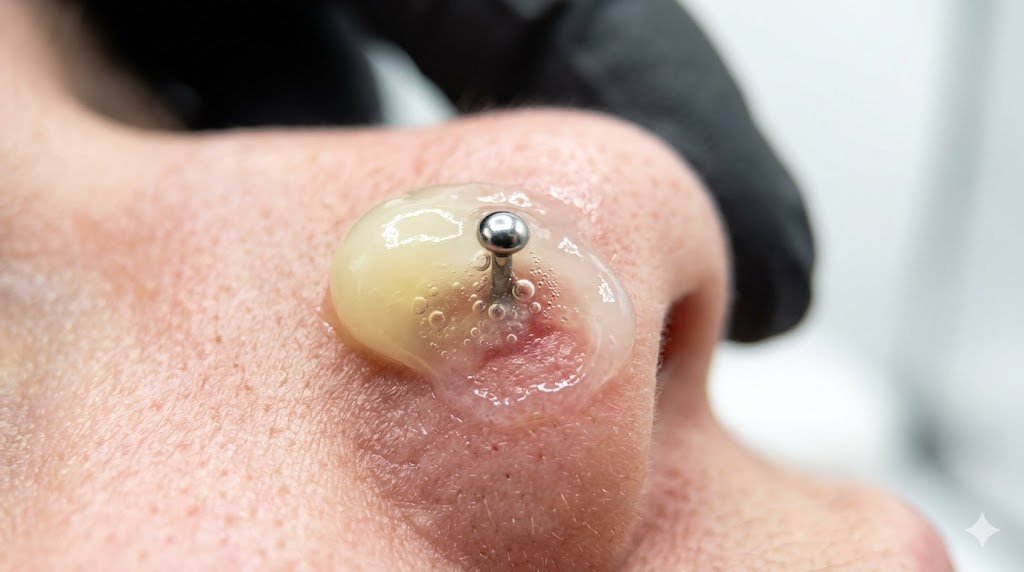
Piercing care is not a mystery. In New York, where profiles of pierced ears, noses, and cartilage pop up in everyday life, many people reach for antibiotic ointments as a reflex. The problem is that these products can slow healing by trapping moisture and oxygen, creating a small, warm greenhouse around the wound.
This article explains why antibiotic ointments may hinder healing and what to use instead. It also covers when to seek professional advice and how to tell if a piercing is healing properly.
What antibiotic ointments actually do to a fresh piercing
Antibiotic ointments are designed to kill bacteria. On a piercing, they can seal moisture against the skin. That moisture can trap heat and limit air exchange. Over the first week, that combination can turn a simple healing site into a humid niche where bacteria and yeasts like to linger. The result is slower healing and a higher chance of irritation. In a busy city like NYC, the daily sweat, humidity in trains, and constant touch increase the odds that a moist environment sticks around longer than ideal.
Finding a reputable place for body modifications means looking for a business that prioritizes client education and hygiene above quick turnaround times. The team at Elite Jewerly Co has built a strong reputation in the community by refusing to compromise on safety and using only top-tier sterilization equipment.
Key risks to watch for
When ointments stay on too long or are unsuitable for the skin, you may see some telltale signs. Redness that grows, unusual warmth, or a yellow-green crust can point to trouble. If you notice pus, a strong odor, or fever, seek care quickly. A piercing that sits in a damp area—like under a scarf or near a sweaty gym—needs extra care to prevent infection.
To help you compare options, here are the practical effects of common ointment use on a healing piercing:
How to approach piercing care without trapping heat
Tip: keep the area clean and dry, with a breathable barrier that does not seal moisture in. This approach helps air circulate around the wound and reduces the chance of an unwanted “greenhouse” effect.
Here are simple steps you can apply right away, before you reach for a product:
- Wash hands, then gently rinse the piercing with saline solution twice daily.
- Pat the area dry with a clean paper towel or let it air dry for a few minutes.
- Monitor for signs of infection—redness spreading beyond the piercing, warmth, or unusual discharge.
- Limit touching the piercing with clean hands. Avoid twisting or playing with jewelry.
After trying these basics, consider whether you need a topical product. If you do, opt for plain saline or a product specifically designed for clean, dry healing. The key is to avoid products that seal in moisture or create a thick film around the wound.
When antibiotic ointments might be appropriate—and when they aren’t
Antibiotics are valuable when there is a confirmed bacterial infection. A piercing infection usually presents with increasing redness, swelling, warmth, and often fever. In such cases, a clinician may prescribe a topical or oral antibiotic. Until then, no ointment should be used as a blanket remedy. It’s essential to evaluate the situation rather than rely on a one-size-fits-all product.
For most piercings, especially those in the early healing phase, a non-occlusive, neutral approach tends to work best. The aim is to balance cleanliness with air flow, keeping the area dry enough to prevent microbial growth while not starving the wound of moisture it needs to heal.
Evidence-based alternatives to antibiotic ointments
The goal is to protect the wound without trapping moisture. Here are practical options that fit into a busy urban lifestyle:
- Saline rinses: A 0.9% saline solution cleanses without leaving a film. Use once or twice daily, then dry gently.
- Plain barrier creams (sparingly): If the skin around the piercing is dry or flaky, a thin layer of a fragrance-free, petrolatum-based barrier can protect without clogging the area.
- Air exposure: Let the piercing dry naturally after rinses. A short period of exposure without ointment reduces humidity around the wound.
These steps help maintain a clean, dry environment. They also reduce the risk of irritating films that can trap bacteria and yeast. If you notice any persistent discharge or worsening redness, seek care promptly. A clinician can determine if an antibiotic ointment or another treatment is needed.
Evidence snapshot: does oxygen really matter for piercings?
Oxygen is essential for skin cells to breathe and to mount a proper immune response. A moist, occlusive film around a fresh piercing reduces oxygen diffusion. Over time, that stagnation can slow healing and change the local flora in the wound. In practical terms, this means less efficient repair and more risk of crusting that sticks to jewelry and prolongs irritation.
To help you assess the environment around your piercing, consider this quick guide:
| Factor | Ideal state for healing | What to avoid |
|---|---|---|
| Moisture | Light, intermittent moisture with air exposure | Thick ointments sealing the area |
| Oxygen | Good airflow around the wound | Occlusive films that trap air |
| Flora balance | Neutral environment with minimal irritants | Excessive products or strong detergents |
| Healing pace | Steady improvement over 6–12 weeks (earring piercings may differ) | Persistent crusting or swelling that worsens |
Use the table as a quick reference. If you notice any red flags, don’t wait for a routine check. A professional can verify whether the healing path remains on track or if a targeted treatment is needed.
Practical care plan for common piercing sites
Different sites heal at different paces. Here are concise, practical notes for common locations in a city environment:
- Earlobes: Usually the fastest to heal. Keep rinsing with saline and avoid heavy creams that seal the area.
- Nostrils: Slightly slower healing. Use gentle cleaning and avoid picking the crusts; a light, non-irritating barrier may help if the skin is dry.
- Cartilage: Higher risk of swelling. Saline washes are essential; avoid thick ointments that sit on the surface for long periods.
Remember: ease of care varies by person. If you have allergies or reactive skin, choose products labeled fragrance-free and suitable for sensitive skin. Patch testing a tiny amount on a non-pierced area can help you avoid a full-blown reaction.
Common mistakes to avoid
These missteps slow healing and can lead to a longer recovery time. Keep them in mind.
- Using antibiotic ointments as a routine without confirmed infection or clinician guidance.
- Covering the piercing with thick bandages or adhesives that trap moisture.
- Over-cleaning with harsh soaps, which can irritate the skin and disrupt the natural barrier.
Sticking to a balanced routine reduces hassles and helps you keep the piercing comfortable as it heals. If you do notice signs of infection, contact a healthcare professional promptly. A targeted treatment plan will move you toward clear healing faster.
Bottom line: what to take away from this
Antibiotic ointments can trap moisture around a fresh piercing, creating a warm microclimate that slows healing. For most people, the best path is a clean, dry routine centered on saline washes and careful observation. Reserve antibiotics for confirmed infections under medical guidance, not as a blanket fix. In New York, where daily life challenges the skin with humidity, sweat, and frequent touching, a simple, breathable care plan often wins.
By prioritizing air exposure and avoiding occlusive films, you give your piercing a steady chance to heal cleanly. If you want to learn more about how to care for specific piercing types, or you’re curious about product recommendations, ask a clinician or a licensed piercer who can tailor advice to your situation.

 English