


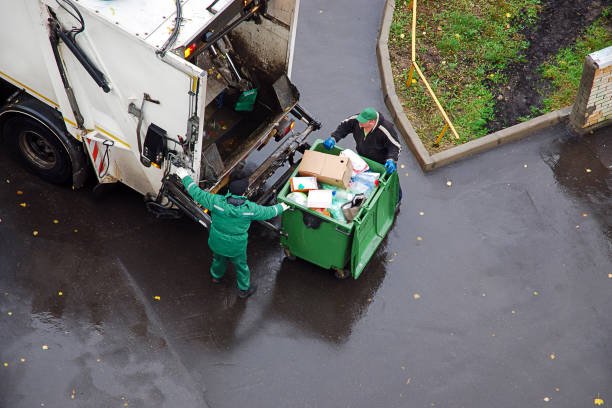
Clearing renovation debris requires a structured approach that focuses on safety, organization, and proper disposal. Homeowners benefit from planning, sorting materials efficiently, and using the right removal methods to maintain a clean and safe environment after construction work.
Key Takeaways
-
Organized cleanup improves safety and efficiency
-
Proper sorting reduces waste and disposal costs
-
Safe handling prevents injuries during removal
-
Professional services simplify large debris removal
-
Planning ensures faster project completion
Managing post-renovation debris can quickly become overwhelming without a clear process. Haul Done Trash Removal & Junk Removal provides reliable solutions that help homeowners clear debris efficiently while ensuring proper disposal practices.
Renovation projects often generate large amounts of waste, including wood, drywall, concrete, and packaging materials. Studies show that construction and demolition debris accounts for nearly 40% of total waste in the United States, making proper cleanup essential for both safety and environmental responsibility.
Step 1: Assess the Type and Volume of Debris
The first step in clearing renovation debris is evaluating what needs to be removed. Different materials require different disposal methods, and understanding the volume helps determine the best approach.
Homeowners should identify items such as leftover construction materials, broken fixtures, and hazardous waste. This assessment ensures that the cleanup process is efficient and compliant with local disposal regulations.
Step 2: Sort Materials for Efficient Removal
Sorting debris into categories helps streamline the cleanup process and reduces unnecessary waste. Separating recyclable materials from non-recyclable items allows for more responsible disposal.
Organized sorting also makes it easier to transport materials and prevents delays during removal. This step is especially important for larger renovation projects where debris can accumulate quickly.
Common Debris Categories
-
Recyclable materials such as metal and wood
-
Non-recyclable construction waste
-
Hazardous materials requiring special handling
-
Reusable items that can be donated
-
General household waste from renovation activities
Proper categorization ensures that each type of debris is handled correctly and efficiently.
Step 3: Plan Safe and Efficient Removal
Once materials are sorted, the next step is planning how to remove them safely. This includes determining whether to handle the cleanup independently or hire professionals for assistance.
Midway through the process, homeowners looking for a Renovation debris removal service in Modesto, CA, can benefit from experienced providers who understand local regulations and offer efficient removal solutions.
Scheduling removal at the right time prevents debris from piling up and ensures the renovation project stays on track. Proper planning also minimizes disruptions to daily activities.
Step 4: Follow Safety Guidelines During Cleanup
Safety is a critical factor when handling renovation debris. Sharp objects, heavy materials, and hazardous substances can pose risks if not managed properly.
Homeowners should use protective equipment and follow safe handling practices to prevent injuries. Keeping the workspace organized also reduces the likelihood of accidents during cleanup.
Safety Practices to Follow
-
Wear gloves, masks, and protective footwear
-
Use proper lifting techniques for heavy items
-
Keep pathways clear to avoid tripping hazards
-
Handle sharp or hazardous materials carefully
-
Store debris securely before removal
Implementing these safety measures ensures a smooth and injury-free cleanup process.
Step 5: Dispose of Debris Responsibly
Proper disposal is essential for maintaining environmental responsibility and complying with local regulations. Different materials must be disposed of according to specific guidelines to avoid penalties.
Recycling and donating usable items can reduce waste and support sustainability efforts. Professional services often provide sorting and disposal solutions that align with environmental standards.
Understanding Costs and Cleanup Value
The cost of debris removal depends on factors such as volume, type of materials, and labor requirements. Larger projects typically involve higher costs due to the need for additional equipment and transportation.
However, investing in proper cleanup services can prevent additional expenses related to damage or safety issues. Reports indicate that organized cleanup processes can improve project efficiency by up to 25%, making them a valuable investment.
Key Cost Factors in Debris Removal
-
Volume and weight of debris
-
Type of materials being disposed of
-
Labor and equipment requirements
-
Transportation and disposal fees
-
Urgency of cleanup services
Understanding these factors helps homeowners plan budgets and avoid unexpected costs.
Important Decision Factors Before Choosing a Service
Homeowners should consider several factors before selecting a debris removal service. Experience, reliability, and compliance with local regulations are essential for ensuring effective cleanup.
Service availability and response time also play a crucial role, especially for ongoing renovation projects. Providers who offer flexible scheduling can help maintain project timelines.
Reviewing service agreements ensures clarity on pricing, scope of work, and responsibilities. This helps prevent misunderstandings and ensures a smooth cleanup process.
Common Questions About Renovation Debris Cleanup
Homeowners often ask how quickly debris can be removed. The timeline depends on the size of the project, but most cleanups can be completed within a few days.
Another common question involves disposal methods. Professional services ensure that materials are recycled or disposed of properly, reducing environmental impact.
Cost is also a frequent concern. Transparent pricing helps homeowners plan effectively and avoid unexpected expenses.
Frequently Asked Questions
How soon should debris be removed after a renovation?
Debris should be removed as soon as possible to maintain safety and prevent clutter from slowing down the project.
Can all renovation materials be recycled?
Not all materials are recyclable, but many items, such as wood, metal, and certain plastics, can be processed through recycling programs.
Is it safe to handle renovation debris without professional help?
Small projects can be managed independently, but larger cleanups often require professional assistance to ensure safety and efficiency.
What should be done with reusable materials?
Reusable items can be donated or repurposed, reducing waste and supporting sustainability efforts.
How can homeowners reduce cleanup costs?
Sorting materials, plannind, and scheduling timely removal can help minimize overall costs.
Conclusion
Clearing renovation debris requires careful planning, proper sorting, and safe handling practices. Homeowners who follow a structured approach benefit from efficient cleanup, reduced risks, and better use of space. By prioritizing safety and responsible disposal, they can maintain a clean and organized environment after completing renovation projects.
Homeowners planning a renovation cleanup should work with a trusted service provider that delivers efficient and reliable results. Contact the team today to discuss your cleanup needs, receive a detailed estimate, and schedule professional debris removal. With expert support, homeowners can ensure a smooth cleanup process, maintain safety, and complete their renovation projects with confidence and peace of mind.

 English