


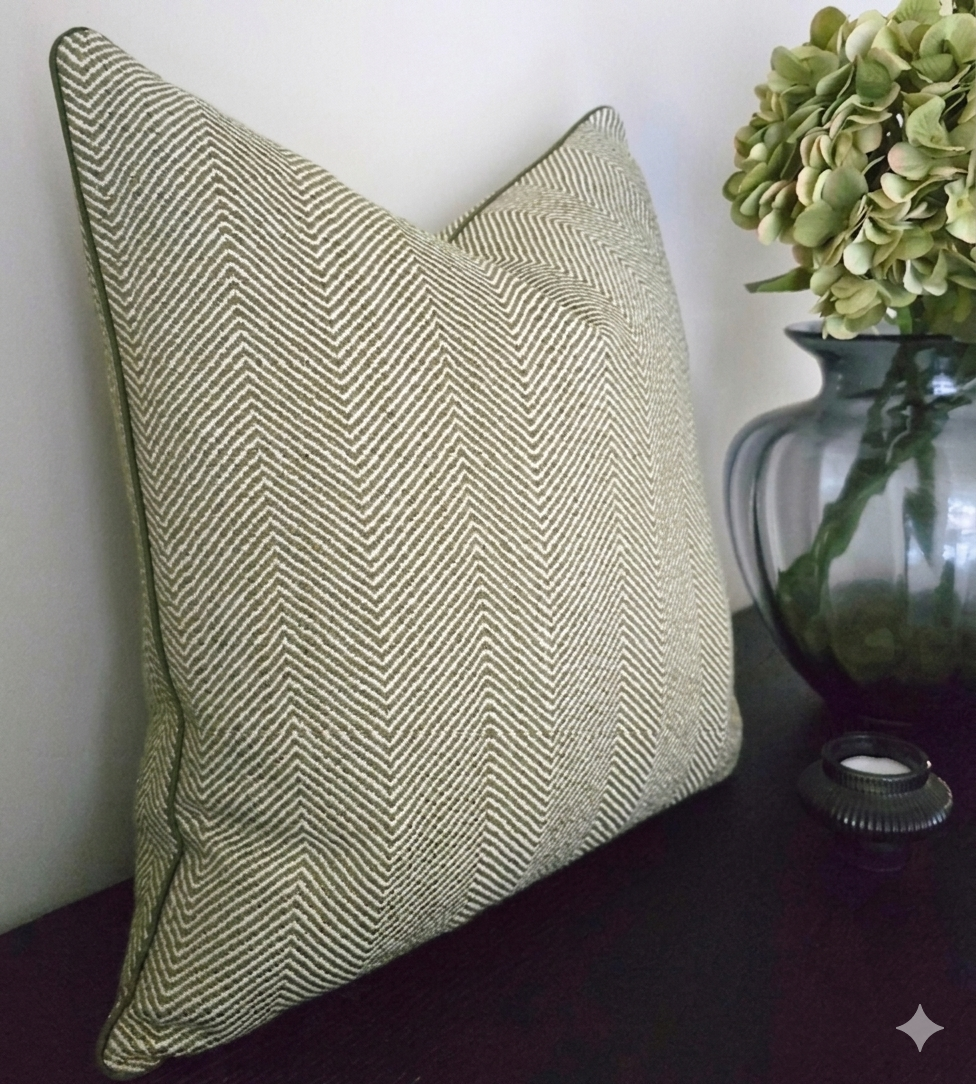
When you are shopping for cushion covers, you will quickly notice that the market is flooded with options. From budget superstore finds to premium handmade pieces, the choices can feel overwhelming. But beyond the price tags and pretty pictures, there is a fundamental question worth asking: what is the real difference between a handmade cushion cover and a machine-made one?
The answer goes much deeper than you might expect. It touches on quality, sustainability, ethics, aesthetics, and long-term value. Let us break it down properly so you can make an informed decision for your home.
The Production Process
The most obvious difference lies in how each type of cushion cover is made. Machine-made covers are produced in large factories using automated processes. Rolls of fabric are fed through cutting machines, stitched at high speed by industrial sewing equipment, and packaged in bulk. The entire process is designed for one thing — speed. Thousands of identical covers can be produced in a single day.
Handmade cushion covers follow a completely different path. A skilled artisan selects the fabric, designs the pattern, cuts each piece individually, and stitches every seam by hand or on a domestic sewing machine with full attention and care. The process is slower, more deliberate, and entirely focused on quality rather than quantity. A single artisan may spend several hours — or even days — crafting one exceptional piece.
Quality and Attention to Detail
When a machine produces a cushion cover, it follows a programmed pattern with no ability to adapt, correct, or improve. If there is a flaw in the fabric or a misalignment in the pattern, the machine carries on regardless. Quality control is often minimal, and the result is a product that is consistent but rarely exceptional.
Handmade covers benefit from the eyes, hands, and judgment of a real person throughout the entire process. An artisan notices imperfections and works around them. They adjust tension, correct alignment, and make decisions in real time that improve the final product. The result is a cover that is not just good — it is genuinely excellent.
Materials Used
Machine-made cushion covers are often produced using synthetic fabrics like polyester or polyester blends. These materials are cheap, easy to work with at scale, and hold printed patterns well. However, they are not breathable, not particularly comfortable, and not kind to the environment.
Handmade covers, on the other hand, are typically crafted from natural materials — linen, cotton, wool, silk, or sustainable blends. These fabrics feel better against the skin, age more gracefully, and have a far smaller environmental impact. They also tend to look richer and more luxurious, giving your home a more premium feel.
Aesthetics and Uniqueness
Pick up a machine-made cushion cover and compare it to a handmade one side by side. The difference is immediately visible. Machine-made covers have a uniform, flat appearance. Every stitch is identical. Every pattern repeat is perfect. In theory, that sounds desirable — but in practice, it looks sterile and lifeless.
Handmade covers have a beautiful organic quality. Slight variations in the weave, subtle differences in the dye, and the gentle imperfections of hand stitching all combine to create something that looks alive. These are not flaws — they are features. They are proof that a human being made this piece, and they give each cover a character and warmth that no machine can produce.
Durability and Longevity
It might seem logical that machine-made products, produced with industrial precision, would be more durable. But the reality is quite the opposite. Machine-made covers are often made with cheaper materials and faster stitching techniques that prioritise speed over strength. Seams can unravel, zips can fail, and fabrics can pill or fade after just a few washes.
Handmade covers are built differently. The materials are better, the stitching is stronger, and every element is chosen and applied with longevity in mind. A well-made handmade cushion cover can last for many years — even decades — with proper care. That is not just better value. That is a fundamentally different relationship with the objects in your home.
Price vs Value
Yes, handmade cushion covers cost more upfront. But when you consider how much longer they last, how much better they look, and how much more meaning they carry, the value equation changes completely. Buying three cheap machine-made covers that need replacing every year is not saving money. It is spending more while getting less.
A handmade cover bought once, cared for properly, and enjoyed for years is always the smarter investment — both financially and environmentally.
Final Thoughts
The difference between handmade and machine-made cushion covers is not just about how they are produced. It is about what they represent — quality versus quantity, meaning versus convenience, lasting value versus temporary satisfaction. When you choose handmade, you choose better. If you are ready to make that choice, explore the beautifully crafted collection at Rumi Interiors where every cushion cover is made by hand, made with care, and made to last.

 English