


What Is Bipolar Spectrum Disorder?
Bipolar spectrum disorder is a complex mental health condition characterized by extreme mood swings — from euphoric highs known as mania or hypomania to devastating lows of depression. These mood episodes can last days, weeks, or even months, and they profoundly impact an individual's relationships, career, sleep, and overall quality of life. If you are experiencing unusual shifts in your mood and energy levels, reaching out to Grace Mental Wellness LLC can help you get the answers and care you need.
The spectrum includes Bipolar I Disorder, Bipolar II Disorder, and Cyclothymic Disorder. Bipolar I involves full manic episodes that may require hospitalization, alongside depressive episodes. Bipolar II involves hypomanic episodes — less severe than full mania — alternating with major depressive periods. Cyclothymic Disorder features less intense but persistently cycling mood symptoms over time.
Signs and Symptoms to Watch For
Manic or hypomanic episodes may include elevated or irritable mood, a decreased need for sleep, racing thoughts, rapid speech, impulsive decision-making, risky behavior, and an inflated sense of self-esteem. Depressive episodes, on the other hand, may involve persistent sadness, fatigue, loss of interest in activities, changes in appetite, sleep disturbances, and in severe cases, suicidal thoughts.
Mixed episodes — where symptoms of both mania and depression occur simultaneously — are particularly dangerous. If you or a loved one is experiencing these symptoms, a comprehensive psychiatric assessment is a critical first step toward an accurate diagnosis and the right treatment plan.
Treatment and Management
Treating bipolar spectrum disorder typically involves a combination of medication and psychotherapy. Mood stabilizers such as lithium, anticonvulsants, and atypical antipsychotics are commonly used to reduce the frequency and severity of mood episodes. Working with a skilled psychiatrist for ongoing medication management is essential to finding the right balance and maintaining long-term stability.
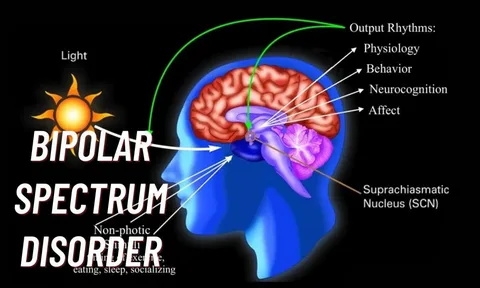
Psychotherapy approaches like Cognitive Behavioral Therapy (CBT) and Interpersonal and Social Rhythm Therapy (IPSRT) help individuals identify triggers, build effective coping skills, and maintain stable daily routines. A consistent sleep schedule, regular physical activity, stress management techniques, and avoiding substance use are all important lifestyle factors that support mood stability and overall mental wellness in people living with bipolar spectrum disorder.

 English