


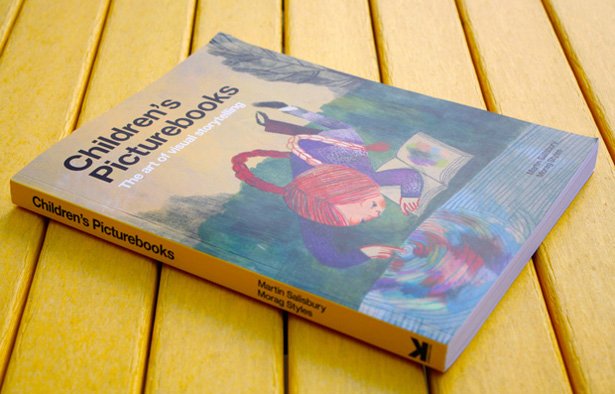
Overview of Traditional Children’s Book Publishing
Traditional publishing through established children's book publishers follows a structured editorial and acquisition system where manuscripts are evaluated before acceptance. Industry data indicates that acceptance rates for new authors remain highly competitive, with estimates suggesting that only 3%–5% of unsolicited submissions are accepted by major publishing houses. This makes entry into the traditional system highly selective. Once accepted, publishers manage editing, illustration coordination, design, printing, distribution, and marketing. Books are then placed into bookstores, libraries, and academic channels through established distribution networks. However, this process is time-intensive, with average publishing timelines ranging from 12 to 24 months, depending on editorial revisions and production scheduling.
Key structural elements include:
- Strict submission guidelines and acquisition filters
- Professional editorial and design oversight
- Wide physical distribution networks
- Extended production timelines
- Reduced creative control after contract signing
Traditional publishing is often chosen by authors seeking credibility, institutional recognition, and bookstore visibility without managing operational responsibilities.
Overview of Self-Publishing in Children’s Books
Self-publishing allows authors to independently publish and distribute their books using platforms such as Amazon Kindle Direct Publishing, IngramSpark, and other digital services. Market reports show that self-publishing in the children’s book category has grown by more than 30% over the past decade, driven by increased accessibility and digital publishing tools.
Unlike traditional publishing, self-publishing does not require approval from publishing houses. Authors maintain complete control over every stage of production, including writing, editing, illustration selection, pricing, and marketing strategies.
Core characteristics include:
- Full ownership of creative and intellectual rights
- Faster publishing timelines (often within weeks or months)
- Higher royalty earnings, ranging from 35% to 70% per sale
- Direct responsibility for promotion and sales
- Global digital marketplace access
This model appeals to authors who prioritize independence, speed, and direct audience engagement.
Key Structural Differences Between Publishing Models
The choice between traditional publishing and self-publishing is largely defined by differences in control, cost, timeline, and distribution. Traditional children's book publishers operate under selective acquisition systems, while self-publishing platforms allow unrestricted entry.
Primary differences include:
- Gatekeeping approval vs open publishing access
- Publisher-managed production vs author-managed production
- Lower royalties (traditional) vs higher royalties (self-publishing)
- Long production cycles vs rapid release timelines
- Physical bookstore reach vs digital-first distribution
Industry analysis shows that traditionally published books dominate physical bookstore shelves, while self-published titles dominate online marketplaces due to volume and flexibility. Each model serves different strategic publishing goals.
When Self-Publishing Becomes the Better Choice
Self-publishing becomes the preferred option when authors prioritize speed, creative control, and niche storytelling. Data indicates that over 60% of first-time independent children’s book authors begin with self-publishing due to accessibility and faster market entry.
Self-publishing is more suitable when:
- Creative control over illustrations and narrative is essential
- Fast publication is required for timing or market relevance
- The book targets niche audiences or experimental themes
- The author is prepared to manage marketing efforts independently
- Flexibility in pricing, updates, and revisions is important
For many writers exploring best book publishers for new authors, self-publishing offers a practical entry point into the market without facing traditional rejection barriers. It allows authors to test concepts, build readership, and refine content before pursuing larger publishing deals.
Additional benefits include:
- Ability to publish multiple editions quickly
- Full control over branding and presentation
- Direct revenue tracking and sales analytics
- Freedom to experiment with content formats
However, success in self-publishing depends heavily on marketing strategy and visibility management.
When Traditional Children’s Book Publishers Are the Better Option
Traditional publishing remains ideal for authors who prioritize credibility, institutional distribution, and professional production support. Research shows that traditionally published children’s books are up to three times more likely to be stocked in physical bookstores and libraries compared to self-published titles.
Traditional publishing is more suitable when:
- Long-term author branding is a priority
- Professional editing and illustration teams are required
- Marketing responsibilities need to be outsourced
- Bookstore and library distribution is essential
- Advance payments or structured royalty contracts are preferred
This route is often selected by authors aiming for long-term publishing careers or educational market penetration. However, acceptance remains highly competitive, and submission rejection is common.
Financial Comparison Between Publishing Models
Financial structure is a key decision factor in publishing choice. Traditional publishers typically absorb production costs but offer lower royalties, usually between 5% and 15% per book sale, depending on contract terms and format (print or digital).
Self-publishing requires upfront investment in editing, design, and marketing, but offers significantly higher royalty percentages, often between 35% and 70% per sale, depending on platform and pricing strategy.
Financial comparison includes:
- Upfront investment responsibility
- Royalty percentage differences
- Marketing and advertising cost burden
- Long-term earning potential
- Financial risk distribution
Traditional publishing reduces financial risk for authors but limits earning potential per sale. Self-publishing increases revenue potential but requires financial commitment and strategic marketing execution.
Marketing and Distribution Differences
Marketing and distribution strategies differ significantly between the two models. Traditional publishers manage distribution through established networks, placing books in bookstores, libraries, and educational institutions. However, marketing support varies widely depending on publisher size and contract agreements.
Self-published authors must independently manage:
- Social media marketing campaigns
- Paid advertising (Amazon Ads, Meta Ads, etc.)
- Email marketing and audience building
- Influencer outreach and book reviews
- SEO optimization for online discoverability
Industry data shows that nearly 70% of self-published book success depends on author-driven marketing efforts, making promotional strategy a critical factor.
Traditional publishing provides wider physical distribution, while self-publishing offers faster global digital reach. The trade-off lies between institutional placement and marketing independence.
Common Challenges in Self-Publishing
Self-publishing offers independence but comes with operational complexity. Many authors underestimate the time and skill required for marketing, design coordination, and audience building.
Common challenges include:
- High competition in digital marketplaces
- Need for professional-quality editing and illustrations
- Limited initial visibility without paid marketing
- Continuous promotional effort required post-launch
- Learning curve in advertising and analytics tools
Despite these challenges, self-publishing continues to expand due to accessibility and higher earning potential per sale. Success is often tied to consistent marketing and audience engagement strategies.
Common Challenges in Traditional Publishing
Traditional publishing provides structure but introduces barriers that can limit flexibility and speed. One of the primary challenges is the high rejection rate, particularly for first-time authors.
Common challenges include:
- Extended submission and approval timelines
- High competition for manuscript acceptance
- Limited creative control after contract signing
- Restrictions on rights and content revisions
- Dependence on publisher scheduling and priorities
Even after acceptance, authors may have limited input on cover design, illustration style, or marketing direction. While traditional publishing provides institutional credibility, it reduces author autonomy.
Decision Factors for Choosing Between Publishing Models
Choosing between self-publishing and traditional publishing requires evaluating long-term goals, resources, and creative priorities. Research indicates that over 55% of new authors consider both publishing models before making a final decision, reflecting the importance of strategic evaluation.
Key decision factors include:
- Desired level of creative control
- Budget availability for production and promotion
- Time sensitivity of publication
- Target audience reach strategy
- Long-term publishing career objectives
Authors must balance independence with institutional support when determining the most suitable path. Each model serves different stages of author development and market positioning.
Hybrid Publishing Considerations
A growing trend in the publishing industry is hybrid strategy adoption, where authors use both models across different projects. Some authors begin with self-publishing to build readership and later transition to traditional publishing opportunities.
Hybrid advantages include:
- Early market testing through self-publishing
- Later credibility through traditional deals
- Diversified income streams
- Greater flexibility in project selection
- Expanded audience reach over time
This approach allows authors to adapt based on experience, audience response, and publishing goals.
Final Perspective on Publishing Strategy
Both self-publishing and traditional publishing offer distinct advantages depending on author objectives. Traditional children's book publishers provide structured support, professional production, and strong institutional reach, while self-publishing delivers speed, autonomy, and higher revenue potential. Decision-making becomes more effective when aligned with publishing goals, budget capacity, and marketing capability. Authors evaluating best book publishers for new authors often find that initial experimentation through self-publishing helps clarify long-term direction. A strategic approach to publishing ensures that authors select a model aligned with both creative vision and market objectives, rather than relying solely on industry convention or external approval.

 English