


Introduction
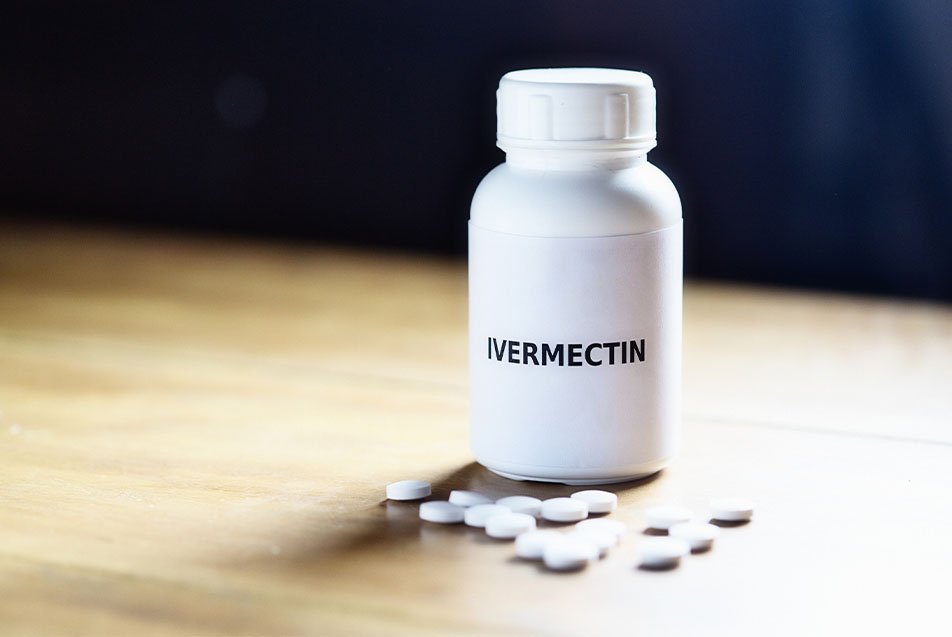
Ivermectin is a widely known antiparasitic medication used in humans and animals to treat a variety of infections caused by parasites. Since its discovery in the late 1970s, Ivermectin for humans has become one of the most important medicines in global health. It has helped control several debilitating diseases, especially in tropical regions, and has saved millions of lives.
The drug gained worldwide attention during the COVID-19 pandemic when discussions emerged about whether it could be used as a treatment for viral infections. However, its primary and scientifically proven role remains the treatment of parasitic infections in humans.
This blog explores ivermectin’s history, approved uses, mechanism of action, safety considerations, and controversies surrounding its use.
History and Discovery of Ivermectin
Ivermectin was discovered through research conducted by two scientists:
- Satoshi Ōmura
- William C. Campbell
They discovered a compound derived from soil bacteria that showed powerful activity against parasites. This compound eventually led to the development of ivermectin.
Because of their groundbreaking discovery, both scientists received the Nobel Prize in Physiology or Medicine in 2015. The drug has since been included on the World Health Organization list of essential medicines.
How Ivermectin Works
Ivermectin works by targeting the nervous system of parasites.
Mechanism of Action
The drug binds to specific chloride channels in parasite nerve and muscle cells. This leads to:
- Paralysis of the parasite
- Inability to feed or move
- Eventual death of the parasite
Human cells do not have the same vulnerable channels, which is why ivermectin can be used safely at prescribed doses.
Approved Medical Uses of Ivermectin in Humans
Ivermectin is used to treat several parasitic infections. Some of the most common conditions include:
1. River Blindness (Onchocerciasis)
One of the most important uses of ivermectin is for treating Onchocerciasis, also known as river blindness.
This disease is caused by parasitic worms transmitted through blackfly bites. Symptoms include:
- Severe itching
- Skin damage
- Vision impairment
- Blindness in severe cases
Mass drug administration programs using ivermectin have dramatically reduced the disease in many countries.
2. Strongyloidiasis
Strongyloidiasis is a parasitic infection caused by roundworms.
Symptoms may include:
- Abdominal pain
- Diarrhea
- Skin rash
- Lung symptoms
Ivermectin is considered the first-line treatment for this infection.
3. Scabies
Scabies is a contagious skin condition caused by microscopic mites.
Symptoms include:
- Severe itching
- Skin rash
- Small burrows on the skin
While topical treatments are often used first, ivermectin tablets are prescribed for severe or widespread cases.
4. Head Lice
Pediculosis (head lice infestation) can also be treated with ivermectin in certain situations when standard treatments fail.
5. Lymphatic Filariasis
Lymphatic Filariasis is a tropical parasitic disease that can cause severe swelling of body parts.
Ivermectin is used in combination with other drugs in global elimination programs.
Dosage and Administration
The dosage of ivermectin depends on the condition being treated.
Typical characteristics of ivermectin therapy:
- Usually taken as a single dose or a short course
- Dose based on body weight
- Taken on an empty stomach with water
Medical supervision is important because dosing varies depending on the infection.
Side Effects of Ivermectin
Like any medication, ivermectin may cause side effects.
Common Side Effects
- Dizziness
- Nausea
- Diarrhea
- Fatigue
- Skin rash
Rare but Serious Effects
- Low blood pressure
- Severe allergic reactions
- Neurological symptoms in rare cases
These effects are uncommon when the medication is used correctly.
Safety and Precautions
Before using ivermectin, certain precautions should be considered.
People Who Should Be Careful
- Pregnant women
- Children under specific weight limits
- Individuals with liver disease
- People taking certain medications
Doctors usually evaluate these factors before prescribing ivermectin.
Ivermectin and COVID-19 Controversy
During the COVID-19 pandemic, ivermectin became a controversial topic. Some early studies suggested possible antiviral effects in laboratory settings.
However, major health authorities such as the U.S. Food and Drug Administration and the World Health Organization stated that there is insufficient evidence to recommend ivermectin for COVID-19 treatment outside controlled clinical trials.
Many studies conducted later showed mixed or unreliable results.
Therefore, ivermectin should not be used for COVID-19 without medical supervision.
Importance in Global Health
Ivermectin has played a huge role in international disease control programs.
Global initiatives supported by organizations such as:
- World Health Organization
- The Carter Center
have distributed ivermectin to millions of people in endemic regions.
These programs have helped reduce the burden of several parasitic diseases worldwide.
Risks of Misuse
Misusing ivermectin can be dangerous.
Important risks include:
- Taking veterinary ivermectin formulations meant for animals
- Taking doses higher than recommended
- Using it without medical diagnosis
High doses can cause serious neurological toxicity.
Future Research
Scientists continue to explore new potential uses for ivermectin, including:
- Antiviral activity
- Anti-inflammatory properties
- Potential cancer research applications
However, these uses require further clinical trials before being approved.
Conclusion
Ivermectin is one of the most important antiparasitic medications used in human medicine. It has been instrumental in treating diseases such as Onchocerciasis, Strongyloidiasis, and Scabies.
Despite controversies during the COVID-19 pandemic, ivermectin remains a valuable drug when used for its approved indications under medical supervision.
Responsible use, proper diagnosis, and adherence to medical guidelines ensure that this life-saving medication continues to benefit millions of people around the world.
For more information : Generic Medicine Store

 English