


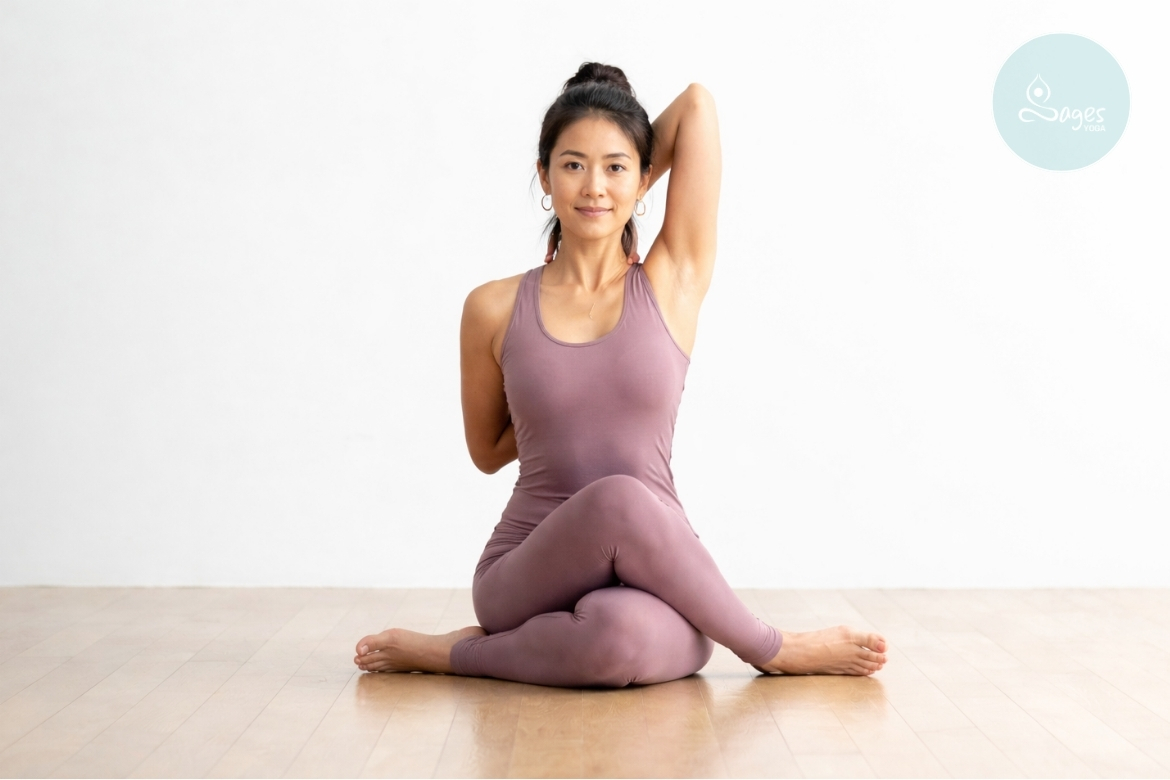
The cross legged pose is one of the most fundamental and widely practiced seated positions in yoga, meditation, and daily life. Simple in appearance yet powerful in its effects, this posture has been used for centuries to promote relaxation, stability, and inner awareness. Whether you are a beginner exploring yoga or someone looking to deepen your meditation practice, understanding the cross legged pose can significantly enhance your physical and mental well-being.
What is the Cross Legged Pose?
The cross-legged pose involves sitting on the floor with your legs folded in front of you, each foot tucked under the opposite knee. The spine is kept upright, shoulders relaxed, and hands typically rest on the knees or in the lap. This posture is often associated with meditation and mindfulness practices because it creates a stable and grounded base.
While it may look effortless, maintaining the cross legged pose correctly requires a balance of flexibility, strength, and body awareness. Over time, practicing this pose can lead to improved posture and greater comfort during seated activities.
Importance of the Cross Legged Pose in Yoga and Meditation
The cross legged pose is commonly used as a starting position in yoga sessions and is essential in meditation practices. It allows practitioners to sit comfortably for extended periods without excessive strain. This pose promotes stillness, which is crucial for focusing the mind and regulating breathing.
In meditation, the cross legged pose helps align the spine, enabling energy to flow freely through the body. This alignment supports deeper breathing and enhances concentration. Many traditional practices emphasize this posture because of its ability to connect the body and mind harmoniously.
How to Do the Cross Legged Pose Correctly
Practicing the cross legged pose with proper technique is important to gain its full benefits and avoid discomfort. Follow these simple steps:
-
Sit on the floor or a yoga mat with your legs extended in front of you.
-
Gently bend your knees and cross your legs, placing each foot under the opposite knee.
-
Rest your hands on your knees or thighs with palms facing up or down.
-
Keep your spine straight and lift your chest slightly.
-
Relax your shoulders and keep your head aligned with your spine.
-
Close your eyes or soften your gaze, focusing on your breath.
If you find it difficult to sit upright, you can place a cushion or folded blanket under your hips. This slight elevation can make the cross legged pose more comfortable and accessible.
Benefits of the Cross Legged Pose
The cross legged pose offers numerous physical, mental, and emotional benefits when practiced regularly.
1. Improves Posture
Sitting in the cross legged pose encourages an upright spine, which helps correct poor posture. Over time, it strengthens the back muscles and reduces slouching.
2. Enhances Flexibility
This pose gently stretches the hips, thighs, and knees. Regular practice can increase flexibility in these areas, making other yoga poses easier to perform.
3. Promotes Relaxation
The cross legged pose is naturally calming. It allows the body to relax while maintaining stability, making it ideal for stress relief and relaxation.
4. Supports Better Breathing
With the spine aligned, the lungs have more space to expand. This improves breathing efficiency and supports deep, mindful breathing practices.
5. Encourages Mental Clarity
The stillness of the cross legged pose helps quiet the mind. It is commonly used in meditation to enhance focus, awareness, and mental clarity.
6. Improves Circulation
Sitting in this position can promote healthy blood circulation, especially when combined with proper posture and breathing techniques.
Common Mistakes to Avoid
Although the cross legged pose is simple, many people unknowingly make mistakes that can lead to discomfort or strain.
-
Slouching the Back: A rounded spine can cause back pain and reduce the benefits of the pose. Always keep your spine straight.
-
Tight Hips: Forcing your knees down can strain the hips. Allow them to relax naturally.
-
Uneven Weight Distribution: Ensure your weight is evenly balanced on both hips.
-
Holding Tension: Relax your shoulders, face, and jaw to fully benefit from the pose.
Being mindful of these mistakes can make your cross legged pose more effective and comfortable.
Modifications and Variations
The cross legged pose can be adjusted to suit different levels of flexibility and comfort.
1. Supported Cross Legged Pose
Place a cushion or yoga block under your hips to elevate your pelvis. This reduces strain on the knees and hips.
2. Easy Pose Variation
Keep your legs loosely crossed instead of tightly folded. This is ideal for beginners or those with limited flexibility.
3. Half Lotus Variation
Place one foot on the opposite thigh while keeping the other leg folded beneath. This is a more advanced version of the cross legged pose.
4. Chair Alternative
If sitting on the floor is uncomfortable, you can sit on a chair with your feet flat on the ground while maintaining the same upright posture.
These variations ensure that the cross-legged pose is accessible to everyone, regardless of physical limitations.
Tips for Practicing the Cross Legged Pose
To make the most of the cross legged pose, keep the following tips in mind:
-
Practice on a soft surface like a yoga mat.
-
Use props such as cushions or blankets for support.
-
Switch the crossing of your legs occasionally to maintain balance.
-
Start with short durations and gradually increase the time.
-
Focus on your breath to enhance relaxation and mindfulness.
Consistency is key. Even a few minutes of daily practice can bring noticeable improvements.
Cross Legged Pose in Daily Life
The cross legged pose is not limited to yoga sessions. It can be incorporated into daily activities such as reading, working, or relaxing. Sitting in this posture instead of a chair can help improve posture and reduce sedentary habits.
In many cultures, sitting in a cross-legged pose is a natural and comfortable way to rest or engage in conversations. Adopting this posture regularly can help you stay connected to your body and maintain flexibility.
Who Should Avoid or Modify the Cross Legged Pose?
While the cross legged pose is generally safe, some individuals may need to modify or avoid it:
-
People with knee injuries or severe joint pain
-
Individuals with hip problems or limited mobility
-
Those recovering from lower body surgeries
If you experience pain or discomfort, it is important to adjust the pose or consult a qualified instructor.
Conclusion
The cross legged pose is a timeless and versatile posture that offers numerous benefits for both body and mind. From improving posture and flexibility to enhancing relaxation and mental clarity, this simple pose plays a vital role in yoga and meditation practices.
By learning the correct technique and practicing regularly, you can transform the cross-legged pose into a powerful tool for well-being. Whether you use it for meditation, breathing exercises, or simply sitting आराम से, this posture can bring balance, comfort, and awareness into your daily life.

 Turkish