


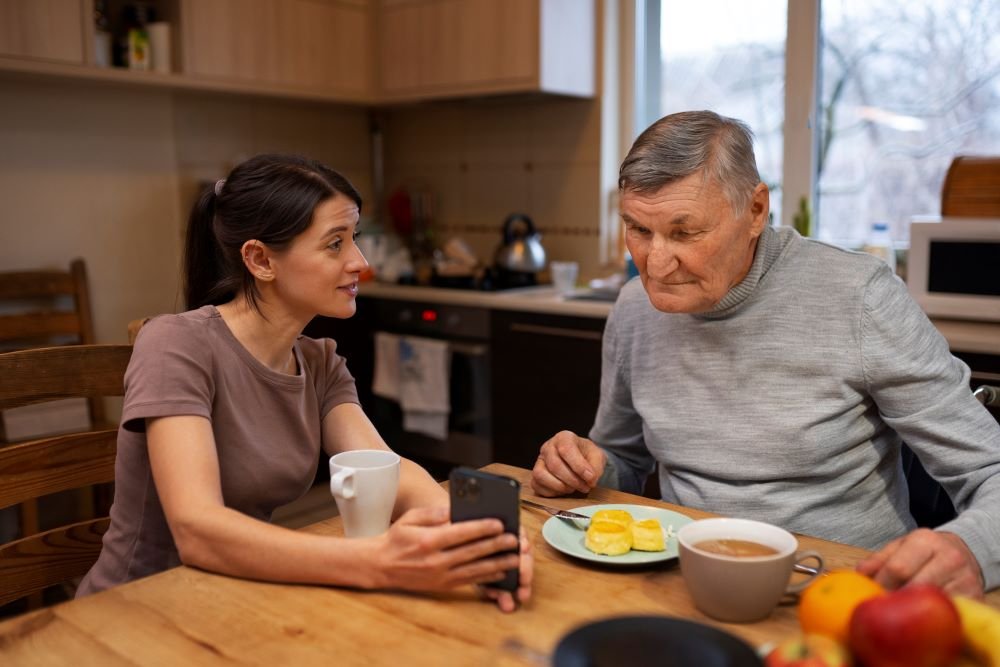
Elderly care at home is exactly what it sounds like—providing professional or personal support to seniors within the comfort of their own homes. But don’t let the simplicity of the definition fool you. This type of care can range from basic assistance, like helping with meals or bathing, to advanced medical services such as wound care, physiotherapy, or even post-surgery recovery. It’s a flexible, personalized approach that adapts to the unique needs of each individual.
Think of it like tailoring a suit. A one-size-fits-all solution rarely works when it comes to aging. Some seniors need just a little help getting through the day, while others require round-the-clock attention. Home care bridges that gap by offering customized services that evolve as needs change. It’s not just about care—it’s about preserving dignity, independence, and a sense of normalcy.
What makes home care particularly powerful is its human touch. Instead of unfamiliar hospital rooms or institutional settings, seniors remain surrounded by their memories, routines, and personal belongings. That familiarity plays a huge role in emotional well-being and can even slow cognitive decline in some cases.
Why More Families Prefer Home Care
There’s been a noticeable shift in how families approach elderly care, and the numbers back it up. Across OECD countries, around 70% of long-term care recipients now receive care at home, reflecting a steady increase over the past decade. This isn’t just a trend—it’s a transformation in how society views aging.
So, why the shift? The answer lies in preference and practicality. Studies show that about 77% of adults aged 50 and above prefer to age in their own homes rather than move into care facilities. That’s a powerful statistic, and it tells a very human story—people want to stay where they feel safe and connected.
Families are also realizing that home care offers a more personalized experience. Instead of being one among many residents in a facility, seniors receive one-on-one attention. This level of care not only improves physical health but also strengthens emotional bonds between caregivers and patients.
Importance of Aging in Place
Emotional Benefits for Seniors
Imagine being asked to leave your home—the place where you’ve built your life—and move somewhere unfamiliar. It’s not just a physical relocation; it’s an emotional upheaval. That’s why aging in place, or staying at home as you grow older, is so important.
Home environments are filled with memories—family photos, favorite chairs, familiar smells. These elements provide comfort and stability, especially for seniors dealing with cognitive challenges like dementia. Emotional security plays a huge role in overall health, and home care helps maintain that stability.
Seniors who stay at home often experience lower levels of anxiety and depression. They feel more in control of their lives, which boosts confidence and mental well-being. It’s like staying rooted in your own story rather than being placed in someone else’s.
Independence and Familiarity
Independence is something we all value, regardless of age. Home care allows seniors to maintain a level of autonomy that’s hard to achieve in institutional settings. They can follow their own schedules, eat what they like, and live life on their terms.
Familiarity also reduces confusion and stress. For individuals with memory-related conditions, being in a known environment can make a significant difference. They’re less likely to feel disoriented, which leads to fewer behavioral issues and a better quality of life overall.
Types of Elderly Care Services at Home
Personal Care Services
Personal care is the foundation of home-based elderly support. It includes assistance with daily activities such as bathing, dressing, grooming, and mobility. While these tasks may seem simple, they are essential for maintaining hygiene and dignity.
Caregivers approach these tasks with sensitivity and respect. It’s not just about helping—it’s about empowering seniors to participate as much as possible. This balance ensures that individuals don’t feel helpless or dependent.
Medical and Nursing Care
For seniors with health conditions, medical care at home can be a game-changer. Skilled nurses can manage medications, monitor vital signs, and provide treatments that would otherwise require hospital visits.
There’s also a growing trend of “hospital-at-home” services, which deliver advanced medical care in a home setting. Research shows that such approaches can be 20–30% less costly than inpatient hospital stays while achieving similar or better outcomes.
Companionship and Support
Loneliness is one of the most overlooked challenges among the elderly. Companionship services address this by providing emotional support and social interaction. Whether it’s a simple conversation, playing games, or going for a walk, these interactions make a huge difference.
Benefits of Elderly Care at Home
Improved Quality of Life
When seniors receive care at home, their overall quality of life improves significantly. They enjoy a comfortable environment, personalized attention, and greater emotional stability. It’s not just about living longer—it’s about living better.
Home care also allows for continuity. Instead of adapting to new caregivers frequently, seniors often build long-term relationships with their caregivers. This consistency fosters trust and comfort.
Cost-Effectiveness Compared to Facilities
Let’s talk about money—because it matters. Home care is often more affordable, especially for individuals with moderate needs. It eliminates costs associated with accommodation and facility maintenance.
Here’s a quick comparison:
| Care Option | Cost Level | Flexibility | Personalization |
|---|---|---|---|
| Home Care | Moderate | High | Very High |
| Assisted Living | High | Medium | Medium |
| Nursing Home | Very High | Low | Low |
For many families, home care strikes the perfect balance between affordability and quality.
Challenges of Home-Based Elderly Care
Caregiver Burnout
Caring for an elderly loved one can be rewarding, but it’s also exhausting. Family caregivers often juggle multiple responsibilities, leading to physical and emotional burnout.
This is where professional caregivers become essential. They share the workload, ensuring that care remains consistent without overwhelming family members.
Safety and Medical Limitations
While home care offers many benefits, it’s not without challenges. Homes may need modifications to ensure safety, such as installing grab bars or removing tripping hazards.
Additionally, severe medical conditions may require specialized equipment or constant supervision, which can be difficult to manage at home.
Role of Professional Caregivers
Skills and Responsibilities
Professional caregivers are trained to handle a wide range of situations. They provide physical assistance, emotional support, and medical monitoring—all while maintaining a compassionate approach.
Importance of Specialized Training
Training is what separates professional care from informal help. Caregivers understand how to manage conditions like dementia, mobility issues, and chronic illnesses effectively.
How to Choose the Right Home Care Service
Key Factors to Consider
Choosing a home care provider isn’t something you rush. You need to evaluate qualifications, experience, and reputation. Reviews and recommendations can be incredibly helpful.
Questions to Ask Providers
Ask about caregiver training, emergency protocols, and service flexibility. Transparency is key to building trust.
Cost of Elderly Care at Home
Factors Affecting Cost
Costs vary based on the level of care, location, and duration of services. Specialized medical care will naturally cost more than basic assistance.
Comparing Home Care vs Nursing Homes
Home care is generally more cost-effective for low to moderate needs, while nursing homes may be necessary for advanced conditions.
Modern Trends in Elderly Home Care
Technology in Home Care
Technology is revolutionizing home care. From wearable health devices to remote monitoring systems, innovation is making care more efficient and accessible.
Growing Global Demand
With aging populations worldwide, the demand for home care services is rising rapidly. This trend is expected to continue for decades.
Tips for Families Providing Home Care
Creating a Safe Environment
Simple modifications like better lighting, non-slip mats, and handrails can significantly improve safety at home.
Managing Daily Routines
Consistency is key. Structured routines help seniors feel more secure and reduce confusion.
Conclusion
Elderly care at home is more than just a service—it’s a philosophy centered on dignity, independence, and compassion. As more families embrace this approach, it’s clear that home care is not just the future—it’s the present. With the right support, seniors can continue to live meaningful, fulfilling lives in the place they cherish most: home.
FAQs
1. Is elderly care at home better than nursing homes?
It depends on the individual’s needs, but home care offers more personalization and comfort.
2. How much does home care cost?
Costs vary widely based on services, but it’s often more affordable than residential care.
3. Can medical care be provided at home?
Yes, trained nurses can deliver many medical services at home.
4. What services are included in home care?
Personal care, medical assistance, companionship, and daily living support.
5. How do I know if my loved one needs home care?
If daily tasks become difficult or safety is a concern, it’s time to consider professional help.

 Turkish