


Heart disease is one of the main reasons people die around the world. The good news is that new medical technology makes it easier to spot risks before they become life-threatening issues. One of the most accurate tools doctors use today is the calcium score test, which helps them figure out early on how likely you are to get coronary heart disease. A lot of people who want to feel good about their heart health are now taking this test.
What is a Calcium Score Test?
This is a special kind of CT scan called the calcium score test that looks for calcium buildup in the coronary arteries. Plaque builds up inside the artery walls, making them smaller and making it harder for blood to flow. This is how these layers form. If you find calcium in your arteries early, you can stop a heart attack or other dangerous heart problems before they get worse.
People who have high blood pressure, high cholesterol, diabetes, are overweight, smoke, or have a family history of heart disease are often told to get this test, even if they don't have any signs yet. Since it checks for calcium, the test gives a good picture of your heart health before problems happen.
Why Early Detection Matters?
The calcium score test's best feature is that it can find heart disease that isn't being shown. A lot of people may feel fine, but their arteries are getting dangerously clogged. Doctors can use this test to find out how much hardened plaque there is and give it a score.
If the number is zero, it means that no calcium was found. This means that there is a low chance of getting heart disease soon. If your number is 100 or higher, it means you have a higher risk that might need to be treated or changed in how you live. This early warning lets people do something, like eat better, work out more, or start taking medicine, before they have a heart attack.
How Does the Test Work?
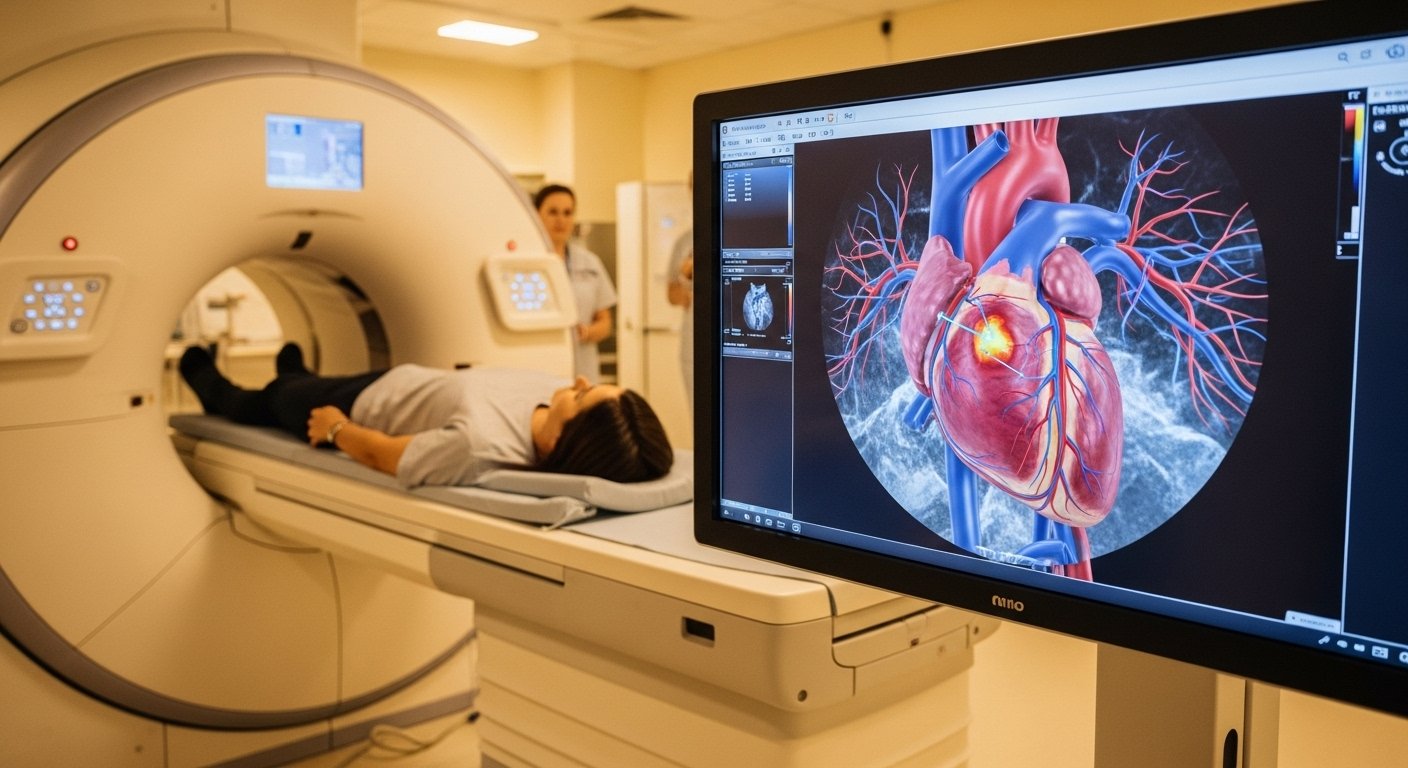
It is easy and painless to do the calcium score test. For the CT scan, you will need to lie down on a table that slides into it. During the scan, small patches are put on your chest to track your heartbeat. You will be told to stop your breath for short periods of time while the pictures are taken. The test doesn't need any shots or special preparations and doesn't take more than 15 to 20 minutes.
This test only gives you a very small amount of radiation, about the same amount that you would get from the environment in a year. It is thought to be safe, but pregnant women shouldn't do it because of the nuclear risks.
Who Should Consider This Test?
This test is most helpful for people with a moderate chance of getting heart disease who are between the ages of 40 and 70. If you have been told that your cholesterol or blood pressure is low, or if you are afraid because of a family history of these conditions, this test can help.
This is one of the most popular tests you will find if you look for "heart scan near me." A lot of hospitals and medical centers now offer it. It's best to talk to your doctor about it to see if it's right for you.
How to Understand the Results?
There is a calcium number that tells you how the test went. This is how experts usually understand it:
-
Score of 0: No plaque detected; very low risk.
-
Score 1–99: Mild plaque; low to moderate risk.
-
Score 100–399: Moderate plaque; higher risk.
-
Score 400 or more: Extensive plaque; very high risk of heart problems.
The next step for doctors is to decide what to do next, which could be making changes to the patient's habits, starting medicines like statins, or doing more tests.
What to Do After the Test?
It is good to get a number of zero, but that doesn't mean you should stop taking care of your heart. Eating right, working out regularly, and not smoking are still very important. For people with higher scores, doctors may suggest more frequent checks, medicine to lower cholesterol, or stress tests to learn more about the heart.
Don't forget that you can lower your risk by making changes early, even if your score is high. The test doesn't say for sure that you will have a heart attack; it just lets you know how likely it is so you can take action.
Taking the Next Step
Looking for a heart scan near me online because you are worried about your heart health? You must consider ViaScan of Las Colinas to get your screening done. It's quick, safe, and gives you thorough data that can help you become healthy in the future. You and your doctor can work together to stop major heart problems before they happen if you find risks early.
Conclusion
The heart scan is an easy but effective way to check out your arteries and find out how likely you are to get heart disease. People who are at a higher risk can really benefit from the early warning it gives, but not everyone needs it. Due to the high prevalence of heart disease, improved tests can be a very useful way to stay healthy.

 Turkish