


Introduction
The real estate sector remains one of the most influential components of any economy, impacting employment, infrastructure, and wealth creation. Over the past decade, the industry has witnessed a noticeable shift fueled by economic changes, digital transformation, and evolving buyer expectations. Today, real estate is not just about buying and selling property; it encompasses a broader ecosystem involving technology, finance, sustainability, and urban planning.
Understanding current real estate trends and developments is essential for anyone involved in the market. From first-time homebuyers to seasoned investors, staying informed can help individuals make better decisions and identify emerging opportunities.
Urbanization and Changing Housing Preferences
Urbanization continues to drive real estate growth, but the nature of housing demand is changing. While metropolitan cities remain important economic hubs, there is a growing interest in smaller cities and peripheral areas. This trend is largely influenced by increasing congestion, rising property prices, and the desire for improved living conditions.
Modern homebuyers are prioritizing comfort, space, and lifestyle amenities. Features such as home offices, open layouts, and access to green spaces have become highly desirable. This shift reflects a broader change in how people perceive their living environments, especially after experiencing remote work and flexible lifestyles.
Developers are responding by creating integrated townships and residential communities that offer a combination of convenience, security, and recreational facilities. These developments aim to provide a holistic living experience rather than just a place to reside.
Digital Transformation in Real Estate
Technology is playing a transformative role in reshaping the real estate landscape. Online platforms have made property search more accessible, allowing users to explore listings, compare prices, and evaluate neighborhoods from the comfort of their homes. Virtual tours and augmented reality tools provide a realistic view of properties, reducing the need for multiple site visits.
Artificial intelligence is being used to analyze buyer behavior and predict market trends. This helps developers and agents tailor their offerings to meet specific customer needs. Data-driven insights are also improving pricing strategies, making transactions more efficient and transparent.
Furthermore, digital documentation and e-signatures have simplified the transaction process. Buyers and sellers can now complete deals more quickly, reducing paperwork and administrative delays. As technology continues to evolve, it is expected to further streamline operations and enhance user experience.
The Rise of Sustainable and Green Buildings
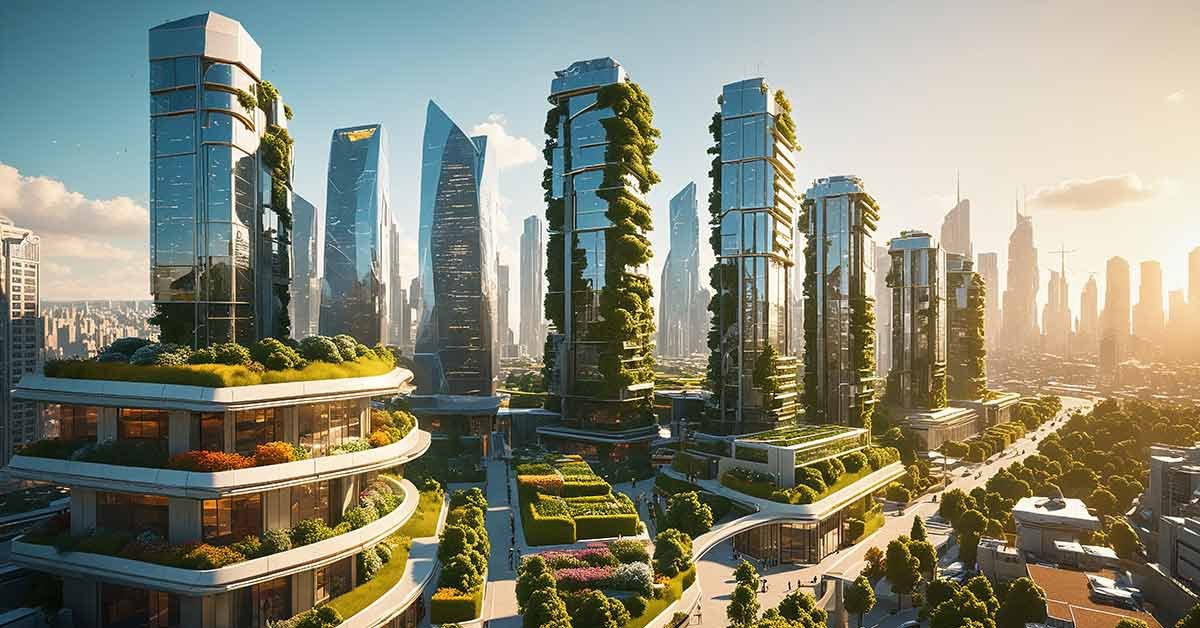
Sustainability has become a central theme in real estate development. With increasing awareness of environmental issues, both developers and buyers are focusing on eco-friendly solutions. Green buildings are designed to minimize environmental impact through efficient use of resources, reduced energy consumption, and improved waste management.
Features such as solar panels, rainwater harvesting systems, and energy-efficient appliances are becoming standard in many new developments. These not only contribute to environmental conservation but also result in long-term cost savings for homeowners.
Governments and regulatory bodies are also encouraging sustainable practices by offering incentives and certifications for green buildings. This has led to a gradual but significant shift toward environmentally responsible construction.
Commercial Real Estate and Business Evolution
The commercial real estate segment has undergone substantial changes in recent years. The rise of remote work and digital businesses has altered the demand for office spaces. Many companies are adopting flexible work models, leading to increased interest in co-working spaces and shared office environments.
Retail real estate has also evolved with the growth of e-commerce. Traditional brick-and-mortar stores are adapting by focusing on experiential shopping, where customers can engage with brands in unique and interactive ways. Shopping centers are incorporating entertainment, dining, and leisure activities to attract foot traffic.
Industrial real estate, particularly warehouses and logistics centers, has seen strong growth due to the expansion of online retail. Efficient supply chain management has become a priority, driving demand for strategically located storage and distribution facilities.
Real Estate Investment Strategies
Investing in real estate requires careful planning and a clear understanding of market conditions. One common strategy is long-term investment in residential properties, which offers both capital appreciation and rental income. This approach is generally considered stable and less volatile compared to other investment options.
Short-term investments, such as property flipping, involve buying properties at a lower price, renovating them, and selling them for a profit. While this can yield high returns, it also carries higher risks and requires market expertise.
Diversification is another important strategy. Investors are increasingly exploring different asset classes, including commercial properties and real estate funds. This helps spread risk and maximize returns across various segments of the market.
Additionally, location remains a critical factor in real estate investment. Properties in areas with strong infrastructure, good connectivity, and growth potential tend to perform better over time.
Challenges and Risks in the Market
Despite its growth potential, the real estate sector faces several challenges. Economic fluctuations can impact demand and property values, creating uncertainty for investors. High interest rates can also affect affordability, making it difficult for buyers to secure financing.
Regulatory hurdles and complex legal procedures can slow down transactions. Issues such as unclear property titles and delays in project approvals can create obstacles for both buyers and developers.
Another significant challenge is the imbalance between supply and demand in certain regions. While some areas experience oversupply, others face a shortage of affordable housing. Addressing this imbalance requires coordinated efforts from developers, policymakers, and financial institutions.
Future Prospects of Real Estate
The future of real estate is shaped by innovation, sustainability, and evolving consumer needs. Smart cities are expected to play a major role, integrating technology and infrastructure to create efficient and livable urban environments. These cities will focus on connectivity, resource management, and quality of life.
The adoption of advanced technologies such as blockchain and the Internet of Things will further enhance transparency and efficiency in real estate transactions. Smart homes equipped with automated systems will become more common, offering convenience and security to residents.
As the industry continues to evolve, collaboration between stakeholders will be essential. Developers, investors, governments, and technology providers must work together to address challenges and unlock new opportunities.
Conclusion
Real estate is undergoing a period of transformation driven by technological advancements, changing lifestyles, and environmental considerations. While challenges remain, the sector offers significant opportunities for growth and innovation.
By staying informed about market trends and developments, individuals can make better decisions and take advantage of emerging opportunities. Whether it is investing in property, purchasing a home, or analyzing market dynamics, knowledge and adaptability are key to success in the ever-changing world of real estate.

 Turkish