


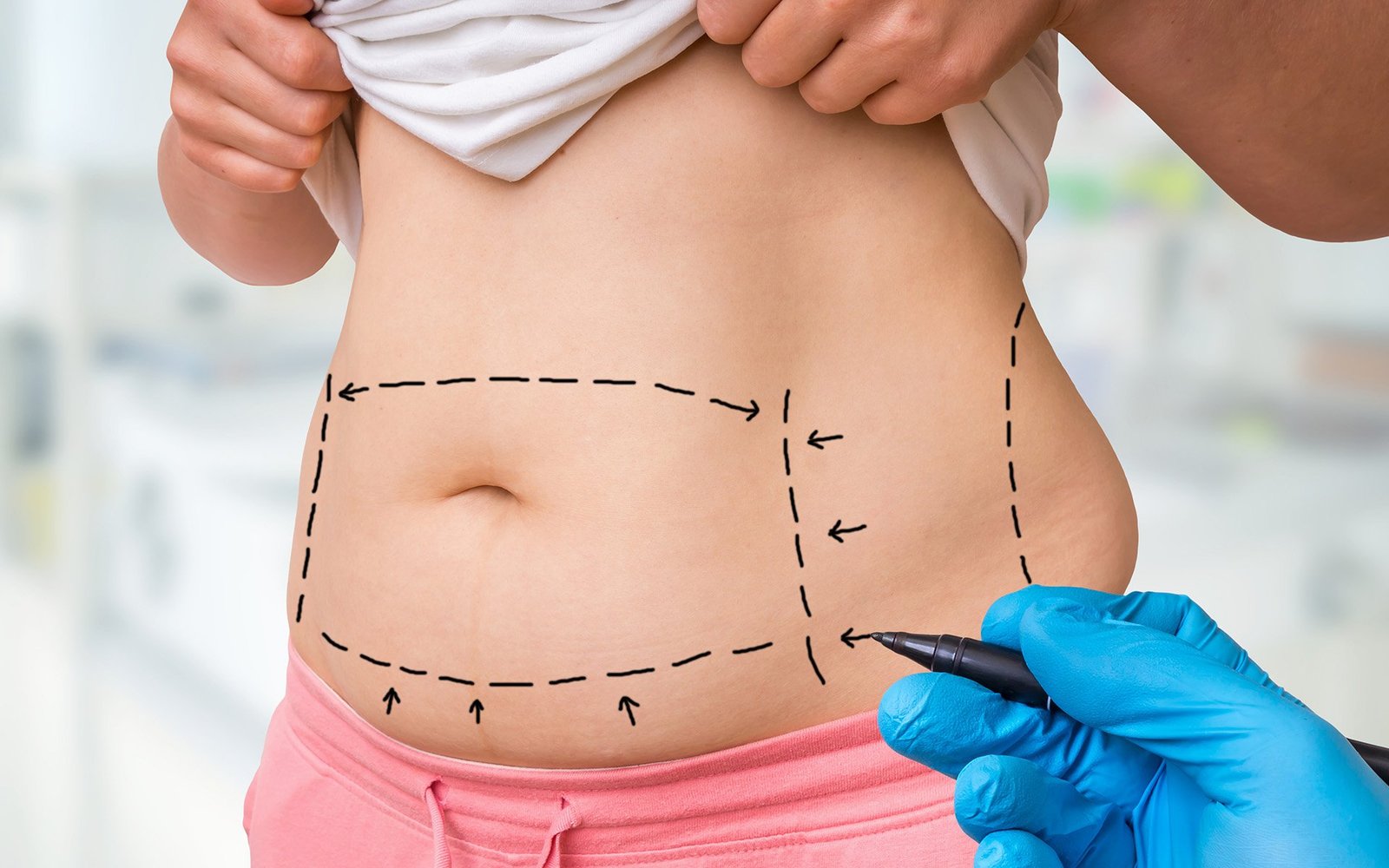
Belly fat is one of the most stubborn areas for both men and women, and despite diet and exercise, it can be difficult to eliminate. Many people turn to a Liposuction treatment to achieve a flatter, more contoured abdomen. While liposuction can be highly effective for removing localized fat, understanding how it works, what to expect, and maintaining realistic expectations is crucial for achieving the best results.
How Liposuction Targets Belly Fat:
Liposuction treatment works by removing fat cells from specific areas of the body, including the abdomen. Unlike weight loss methods that reduce overall body fat, liposuction focuses on sculpting and contouring. A small cannula is inserted through tiny incisions to break up and suction out excess fat. The procedure allows for precise shaping and can target areas resistant to traditional weight loss methods.
Who is an Ideal Candidate:
Not everyone is suited for liposuction of the belly. Ideal candidates usually have the following characteristics:
- Close to their ideal body weight
- Good skin elasticity to allow smooth contouring
- Overall good health with no uncontrolled medical conditions
- Realistic expectations regarding the procedure
- Non-smokers or willing to quit temporarily
People with excessive abdominal fat or significant weight issues may need to consider alternative treatments or combine liposuction with lifestyle modifications.
Expected Results from Belly Liposuction:
Patients considering a liposuction treatment for belly fat should have realistic expectations. While it can provide noticeable improvements, results are gradual and depend on several factors. Typical outcomes include:
- Reduced fat deposits in targeted areas
- Improved abdominal contour and proportion
- A smoother, flatter appearance over time
- Permanent removal of treated fat cells with proper maintenance
- Enhanced confidence and self-image
Immediate results may be masked by swelling, and full results often take weeks to months to become visible.
Recovery After Belly Liposuction:
Recovery from liposuction treatment varies depending on the extent of fat removal and the individual’s healing ability. During recovery, patients can expect:
- Swelling and bruising in the treated areas
- Temporary numbness or tenderness
- Drainage of small amounts of fluid from incision sites
- Gradual return to light activities within a few days
- Wearing compression garments to reduce swelling and support the abdomen
Following post-operative instructions closely ensures a smoother recovery and better final results.
Maintaining Results Long-Term:
Although liposuction permanently removes fat cells from the treated areas, maintaining a flat belly requires lifestyle commitment. Without proper habits, remaining fat cells can expand, affecting the outcome. Long-term maintenance tips include:
- Eating a balanced, nutritious diet
- Engaging in regular physical activity
- Staying hydrated to reduce fluid retention
- Avoiding rapid weight gain
- Monitoring body changes and following up with your surgeon
These practices help ensure that results from belly liposuction remain consistent and long-lasting.
Common Myths About Belly Liposuction:
Several myths surround liposuction for the abdomen. Clearing these misconceptions is important for anyone considering the procedure:
- Myth: Liposuction is a weight-loss solution
- Myth: Results are immediate and permanent without lifestyle changes
- Myth: Liposuction tightens loose skin
- Myth: Recovery is extremely long and painful
- Myth: Any surgeon can safely perform the procedure
Understanding the facts helps patients make informed decisions and avoid unrealistic expectations.
Potential Risks and Complications:
While liposuction is generally safe, there are risks associated with the procedure. Awareness of these potential issues ensures proper precautions are taken. Possible complications include:
- Swelling and bruising that persist longer than expected
- Minor scarring at incision points
- Temporary numbness or tingling in the abdominal area
- Infection if post-operative care is not followed
- Uneven contours or asymmetry in rare cases
Choosing an experienced surgeon and following medical guidance significantly reduces these risks.
Alternatives to Belly Liposuction:
For individuals who may not be ideal candidates or prefer non-surgical options, several alternatives can help reduce belly fat:
- CoolSculpting or cryolipolysis for non-invasive fat freezing
- Radiofrequency or ultrasound-based fat reduction
- Targeted exercise and strength training for abdominal toning
- Nutritional adjustments to reduce visceral fat
- Lifestyle changes combined with professional guidance
These alternatives may be less invasive but often require more time and consistency to achieve visible results.
Setting Realistic Expectations:
Before undergoing a liposuction treatment, understanding what the procedure can and cannot do is critical. Patients should recognize that:
- Liposuction targets localized fat, not overall weight loss
- Skin elasticity plays a role in final contouring
- Lifestyle habits directly impact long-term results
- Multiple areas can be treated, but each has limitations
- Recovery and swelling may temporarily affect appearance
Being realistic helps patients feel satisfied with the results and reduces disappointment.
Final Thoughts:
Liposuction treatment can be an effective solution for reducing belly fat and improving abdominal contours when performed by a qualified surgeon. By understanding how it works, knowing who is an ideal candidate, and committing to proper post-operative care and lifestyle habits, patients can achieve lasting and satisfying results. Consultation with a board-certified professional ensures safety, realistic expectations, and a clear path to achieving the flat belly you desire.

 Turkish