


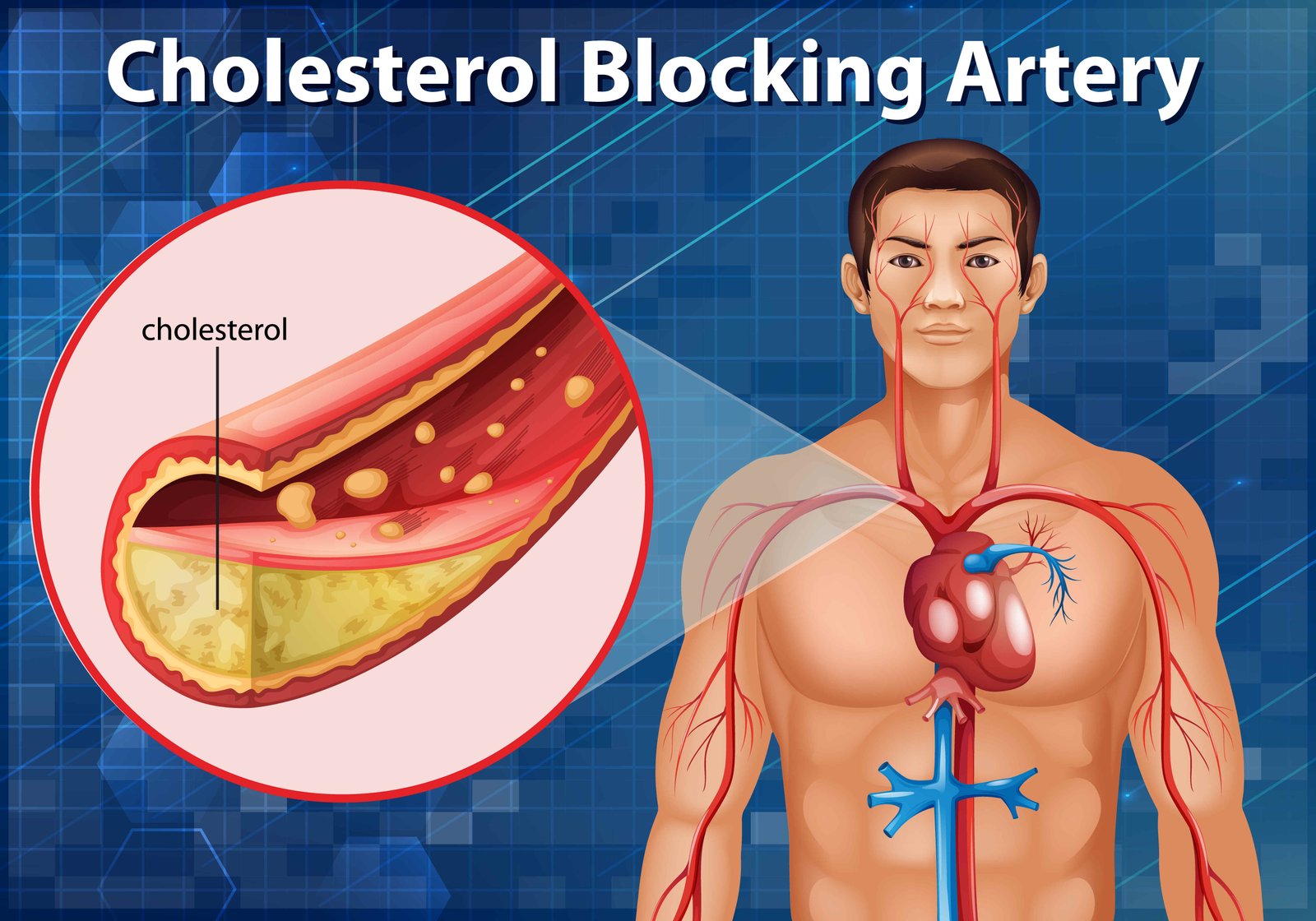
Heart failure is often talked about in simple terms, but the reality is more complex. It is not just about a weak heart. It is also about what is happening inside your blood vessels over time. One key factor in this process is cholesterol.
When people first notice symptoms of systolic heart failure , they usually think about fatigue or shortness of breath. What many do not realize is that cholesterol may have been playing a quiet role long before those symptoms appeared.
Understanding this connection can help you make better choices for your heart health.
How cholesterol affects your heart over time
Cholesterol is a fatty substance your body needs in small amounts. It helps build cells and produce certain hormones. The problem starts when cholesterol levels rise beyond what your body can handle.
There are two main types to know. Low density lipoprotein, often called LDL, is the one that causes trouble when it builds up. High density lipoprotein, or HDL, helps remove excess cholesterol from the bloodstream.
When LDL levels stay high, it begins to stick to the walls of your arteries. Over time, this forms plaque. This process is known as atherosclerosis.
As plaque builds up, your arteries become narrow and stiff. Blood cannot flow as easily as it should. Your heart has to work harder to push blood through these narrowed spaces.
This extra strain can slowly weaken the heart muscle.
The link between high cholesterol and heart failure
Heart failure does not usually happen overnight. It develops over years, often as a result of long-term damage.
High cholesterol plays a major role in this process. When arteries that supply the heart become blocked, it can lead to coronary artery disease. If the blood supply drops, parts of the heart muscle may become damaged or die.
This damage reduces the heart’s ability to pump blood effectively.
In systolic heart failure, the heart loses its ability to contract properly. It cannot push enough blood out to meet the body’s needs. Reduced blood flow can lead to symptoms like breathlessness, swelling in the legs, and constant tiredness.
So while cholesterol itself does not cause heart failure directly, it creates the conditions that make it more likely.
Why some cholesterol is still necessary
It is easy to think of cholesterol as entirely harmful, but that is not the full picture.
Your body needs cholesterol to function. It plays a role in building cell membranes and producing vitamin D. The goal is not to remove cholesterol completely, but to keep it within a healthy range.
The balance between LDL and HDL matters more than the total number alone.
When HDL levels are higher, they help carry excess cholesterol back to the liver, where it can be processed and removed. This reduces the risk of plaque buildup.
Signs that cholesterol may be affecting your heart
High cholesterol itself often has no clear symptoms. That is what makes it risky.
However, as it starts affecting your heart, you may notice changes in how you feel.
You might feel short of breath during simple activities. Climbing stairs may become harder than before. Some people notice swelling in their ankles or feet. Others feel a constant sense of fatigue that does not improve with rest.
Chest discomfort can also occur, especially if there is reduced blood flow to the heart.
These signs should not be ignored. They may point to underlying heart issues that need attention.
How doctors assess the risk
If your doctor suspects a link between cholesterol and heart problems, they will usually start with a few basic tests.
A lipid panel checks your cholesterol levels. This includes LDL, HDL, and triglycerides. Blood pressure and blood sugar levels may also be measured.
In some cases, imaging tests like an echocardiogram help evaluate how well your heart is pumping. Stress tests may also be used to see how your heart performs under physical activity.
These tests provide a clearer picture of your heart health and help guide treatment decisions.
Managing cholesterol to protect your heart
The good news is that cholesterol levels can often be managed with the right approach.
Lifestyle changes are usually the first step. A heart healthy diet can make a big difference. This includes eating more fruits, vegetables, whole grains, and lean proteins. Reducing saturated fats and processed foods also helps.
Regular physical activity supports better cholesterol balance. Even moderate exercise, like walking, can improve heart health.
For some people, lifestyle changes are not enough. Medications such as statins may be prescribed to lower LDL levels. These drugs help reduce the risk of plaque buildup and protect the arteries.
Consistency matters here. Small changes, when done regularly, can lead to long-term benefits.
The role of inflammation in this process
Cholesterol does not act alone. Inflammation also plays a key role in heart disease.
When plaque builds up in the arteries, it can trigger an inflammatory response. This makes the plaque more unstable. In some cases, it may rupture and form a clot.
If a clot blocks blood flow completely, it can lead to a heart attack. Repeated damage like this can weaken the heart over time and contribute to heart failure.
Managing inflammation through diet, lifestyle, and medication can help reduce this risk.
Can lowering cholesterol reverse heart damage
This is a common question, and the answer depends on the stage of the condition.
Lowering cholesterol can slow down or even stop the progression of plaque buildup. In some cases, it may slightly reduce existing plaque.
However, if significant damage has already occurred, it cannot always be fully reversed. The focus then shifts to preventing further damage and improving heart function.
Early detection makes a big difference. The sooner cholesterol levels are controlled, the better the outcome.
Living with heart failure and high cholesterol
If you are managing both heart failure and high cholesterol, daily habits become even more important.
Taking medications as prescribed is key. Skipping doses can lead to setbacks. Regular checkups help track your progress and adjust treatment when needed. You may also need to monitor your weight and fluid intake. Sudden weight gain can signal fluid buildup, which needs prompt attention.
It is also helpful to stay informed. Understanding your condition helps you make confident decisions about your health.
Looking ahead with better treatment options
Medical research continues to explore new ways to manage cholesterol and reduce the risk of heart failure. One area of focus is lipoprotein(a), a type of cholesterol that is not always included in routine tests but can increase cardiovascular risk.
New therapies are being studied to target this specific type of cholesterol more effectively.
If you are interested in exploring advanced care options, you may consider opportunities to participate in new lipoprotein(a) treatment studies . These studies aim to improve how cholesterol-related conditions are treated in the future.
Lucida Clinical Trials offers access to ongoing research that focuses on heart health and cholesterol management. By taking part in a clinical study, you not only gain access to potential new treatments but also contribute to progress that could benefit many others.
Your journey with heart health is personal, but you are not alone in it. With the right care, awareness, and support, it is possible to manage cholesterol and reduce its impact on heart failure.

 English