


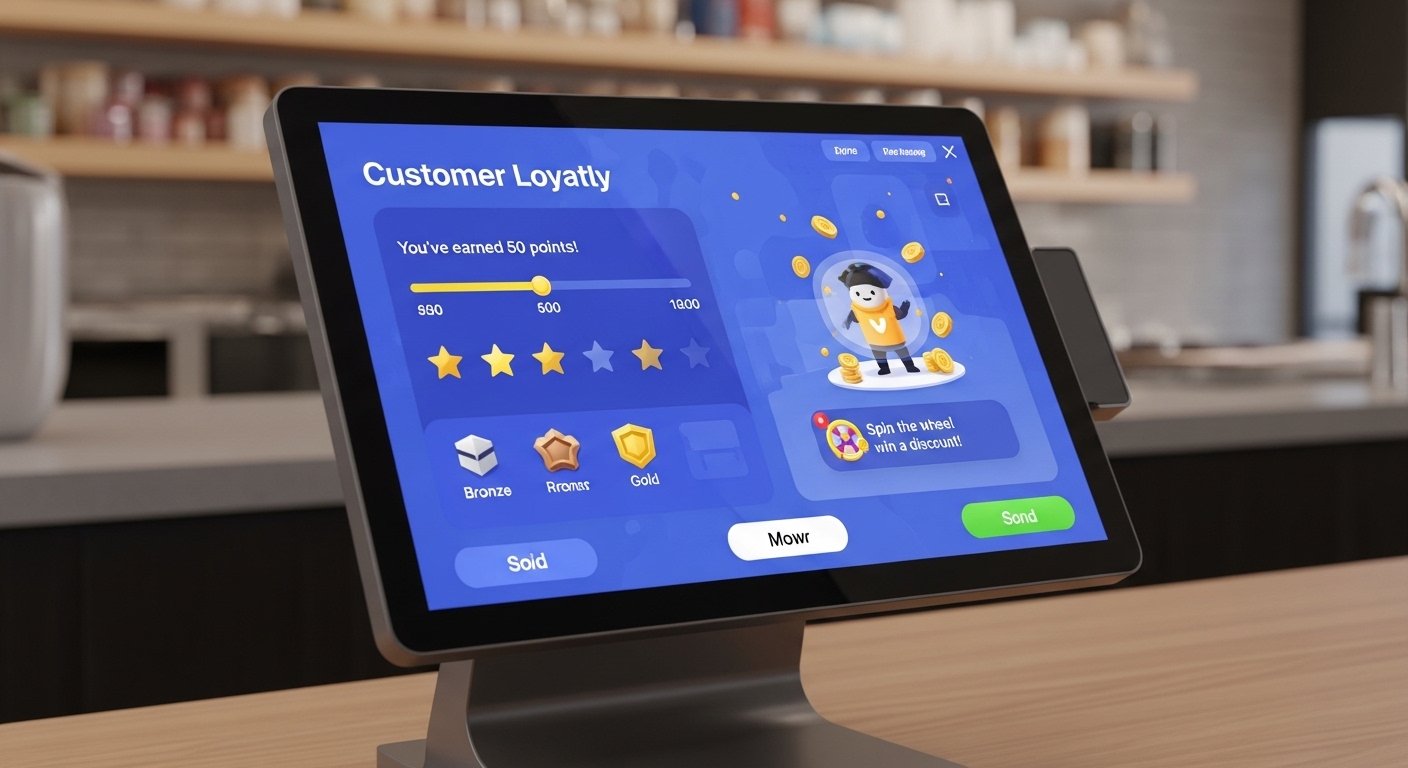
Customer retention is critical for long-term retail success. While acquiring new customers is important, keeping existing ones loyal often drives more sustainable revenue. One innovative way to boost retention is through gamification integrated with POS (Point of Sale) systems. By combining transaction data with game-like features, retailers can engage customers, encourage repeat purchases, and build stronger brand loyalty.
What is Gamification in Retail?
Gamification involves applying game mechanics to non-game activities. In retail, this can include:
- Points and rewards systems
- Challenges or missions
- Leaderboards and rankings
- Badges for achievements
When applied through POS systems, gamification connects directly to real transactions and customer behaviors, making the experience interactive and rewarding.
How POS Systems Enable Gamification
Modern POS systems, such as Mhouse, track detailed customer activity, including purchase history, frequency, and preferences. This data allows retailers to:
- Award points for specific purchases
- Track progress toward rewards
- Offer challenges based on shopping behavior
- Provide personalized rewards for engagement
By linking gamification directly to purchases, customers are incentivized to return and engage more frequently.
Benefits of Gamification for Customer Retention
- Increased Engagement
Gamified experiences make shopping more fun and interactive, motivating customers to participate actively. - Encourages Repeat Visits
Points, rewards, and challenges incentivize customers to return regularly to earn benefits. - Strengthens Brand Loyalty
Gamification creates a memorable and positive experience, fostering emotional attachment to the brand. - Data-Driven Personalization
POS systems use transaction data to customize gamification features, ensuring that rewards are relevant and appealing to individual customers.
Examples of Gamification in Retail
- Points Systems: Customers earn points for every purchase, which can be redeemed for discounts, gifts, or exclusive products.
- Tiered Rewards: Customers move up levels (e.g., silver, gold, platinum) based on spending or engagement, unlocking better benefits.
- Challenges & Badges: Encourage customers to buy specific products, shop during particular periods, or explore new categories.
For instance, a coffee shop can use Mhouse POS to reward customers with a badge after purchasing five specialty coffees, unlocking a free drink on the next visit.
Integrating Gamification into Marketing Strategy
Gamification works best when it complements other marketing initiatives:
- Combine loyalty programs with gamified challenges
- Use notifications to remind customers of progress toward rewards
- Promote gamification campaigns through email, social media, and in-store messaging
This integration ensures maximum engagement and return on investment.
Measuring Success
POS systems track customer participation in gamified programs, allowing retailers to measure success through:
- Increased repeat purchase rates
- Higher average transaction values
- Improved customer lifetime value
- Engagement levels with specific challenges
Analytics also help refine and optimize gamification strategies over time.
Final Thoughts
Gamification through POS systems transforms routine shopping into an engaging experience, encouraging repeat visits and stronger customer loyalty. Retailers using Mhouse can implement points, challenges, and personalized rewards tied directly to transactions, ensuring that retention strategies are both fun and effective.
Incorporating gamification not only drives sales but also strengthens the relationship between customers and brands, creating long-term value for both parties.

 English