


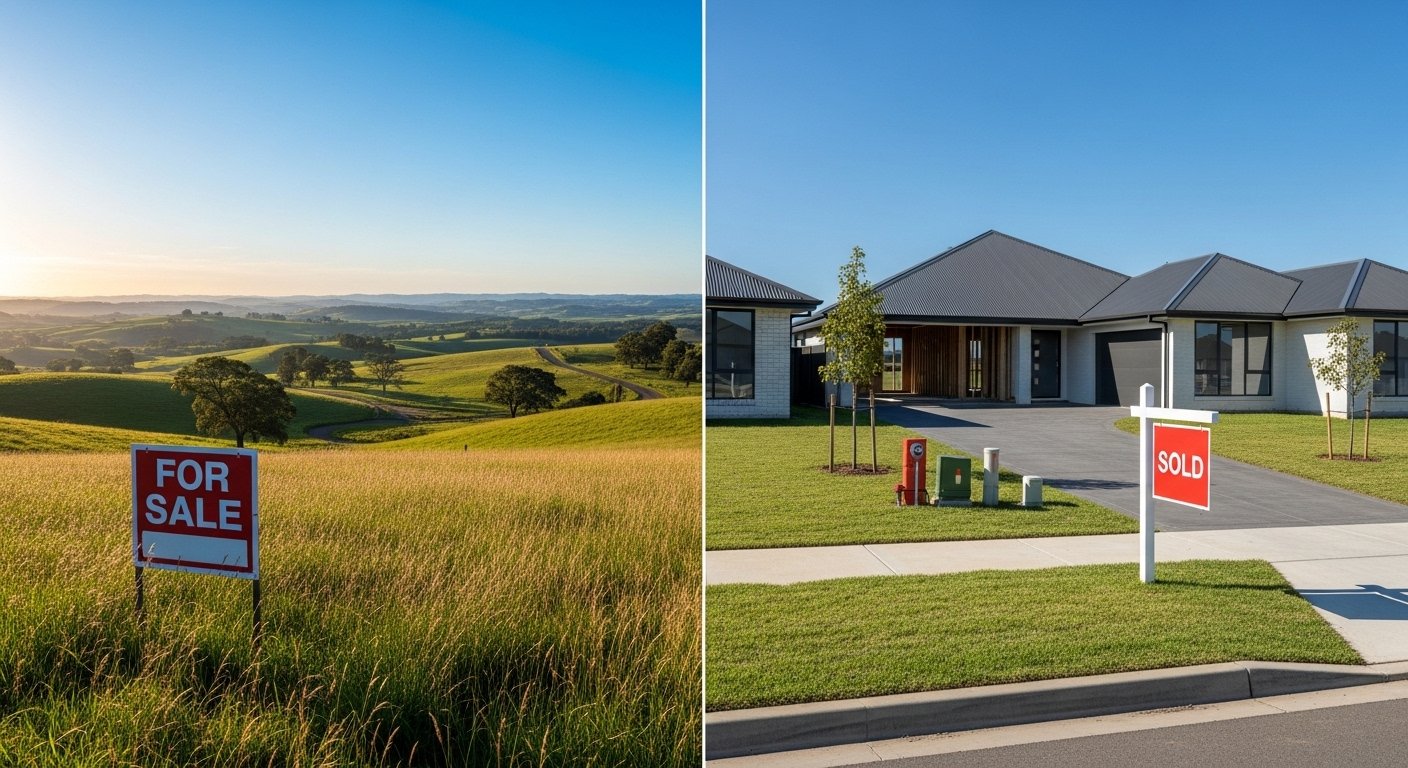
Real estate offers different types of investment options, and two of the most common choices are open land and developed plots. Both have their own advantages and risks, and the right choice depends on the investor's goals, budget, and timeline.
Understanding the difference between these two options helps investors make better decisions and avoid unnecessary risks. While both involve land ownership, their value, usability, and growth potential can vary significantly.
What is Open Land Investment?
Open land refers to undeveloped land that does not have basic infrastructure such as roads, electricity, water supply, or sewerage systems. It is usually located in areas that are still in the early stages of development.
Investors often buy open land at lower prices with the expectation that its value will increase over time as development expands in that area.
What is Developed Plot Investment?
Developed plots are part of planned housing societies where basic infrastructure is already available or near completion.
These plots typically include:
- Road access
- Utility connections
- Proper layout planning
- Community facilities
Developed plots are ready for construction, which makes them more practical for both investors and end-users.
Price Difference and Affordability
One of the main differences between open land and developed plots is the price.
- Open land is usually more affordable because it lacks infrastructure
- Developed plots are more expensive due to added facilities and planning
For investors with a limited budget, open land may seem attractive. However, the lower price also comes with higher uncertainty.
Investment Risk Comparison
Risk is an important factor when comparing these two options.
- Open land investment carries higher risk due to unclear development timelines and possible legal issues
- Developed plots are generally safer because they are part of approved and planned projects
Investors looking for stability often prefer developed plots, while those willing to take risks may consider open land.
Return on Investment (ROI)
Both options can offer good returns, but the timeline and reliability differ.
- Open land may provide high returns in the long term if the area develops
- Developed plots offer more stable and predictable returns
In many cases, developed plots start appreciating earlier because of existing infrastructure and demand.
Usability and Construction
Developed plots have a clear advantage when it comes to usability.
- You can start construction almost immediately
- The area already supports residential or commercial use
In contrast, open land cannot be used for construction until development takes place, which may take years.
Infrastructure and Facilities
Infrastructure plays a major role in property value.
Developed plots usually include:
- Roads and street networks
- Electricity and water supply
- Security and community planning
Open land lacks these features, which limits its immediate use and appeal.
Market Demand and Liquidity
Developed plots are easier to buy and sell because they are in demand among both investors and end-users.
- Higher demand leads to better resale opportunities
- Faster transactions in the market
Open land, on the other hand, may take longer to sell because buyers often prefer ready-to-use plots.
Legal and Approval Considerations
Legal safety is another key difference.
- Developed plots are usually part of approved housing societies
- Open land may require careful verification of ownership and approvals
Investors should always check legal documents before purchasing, especially in the case of open land.
Long-Term vs Short-Term Goals
The choice between open land and developed plots also depends on investment goals.
- Open land is more suitable for long-term investment
- Developed plots are better for short to medium-term gains and immediate use
Understanding your timeline helps in selecting the right option.
Choosing the Right Investment Option
Both open land and developed plots have their place in real estate investment. The right choice depends on your financial plan, risk tolerance, and future goals.
Projects like Rudn Enclave offer developed plots with proper planning and infrastructure, making them a reliable option for investors who want stability and growth without long waiting periods.
Final Thoughts
Comparing open land investment with developed plot investment shows clear differences in cost, risk, usability, and returns. Open land may offer higher long-term gains, but it comes with uncertainty. Developed plots provide security, faster growth, and immediate usability.
For most investors, a balanced and informed approach is the best way forward. Choosing the right type of investment can lead to better financial outcomes and long-term value.

 Turkish