


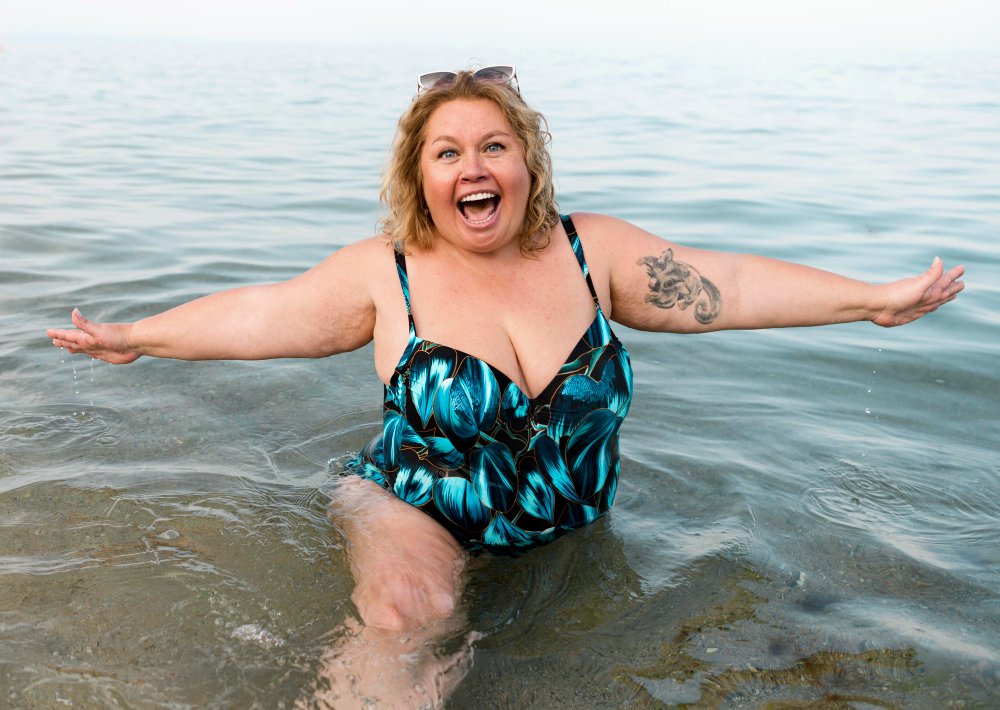
In the high-velocity world of 2026 apparel manufacturing, the category of swimwear for women stands as the ultimate test of a brand's technical prowess. For B2B procurement officers and independent label owners, the stakes have shifted. We are no longer simply selling a seasonal aesthetic; we are selling a complex high-performance garment that must withstand caustic environments while providing a flawless, confidence-inspiring fit.
When a retail partner reports high return rates or a "lack of shape retention" after only three weeks of use, it is a signal that the manufacturing process has failed to address the fundamental "stress points" of the female form in an aquatic environment. Solving these problems requires moving beyond "fast fashion" mentalities and adopting a Wavezone philosophy of precision engineering.
Here is how industry leaders are solving the most critical challenges in the women’s beachwear and active swimwear sectors today.
1. The "Fit-Retention" Failure: Solving the Sagging Silhouette
The most frequent B2B "pain point" is the loss of elasticity in the mid-section and bust areas. Many swimsuits look spectacular on a showroom hanger but lose their structural integrity—their "snap-back"—within a dozen submerged hours.
The Problem: Standard polyester or low-grade spandex fibers are highly susceptible to "fiber fatigue" caused by heat and salt water. This leads to sagging at the leg openings and a loss of compression, which is the primary driver of negative consumer reviews and bulk returns for B2B accounts.
The Solution: The technical fix lies in the Modulus of Elasticity. For a premium swimwear for women line, you must source fabrics with a high CREORA® Highclo™ or XTRA LIFE™ LYCRA® content. These fibers are chemically engineered to resist the "ballooning" effect that occurs when fabrics absorb water. By implementing interlock knitting patterns rather than simple single-jerseys, you ensure the garment maintains a 360-degree stretch recovery, providing a "sculpting" effect that remains permanent for the life of the garment.
2. The "Hardware and Trim" Weakness: Preventing Oxidation and Breakage
A frequently overlooked hurdle in the swimwear supply chain is the failure of functional trims—adjusters, clasps, and underwires. A broken strap or a rusted ring can render an expensive bikini or one-piece useless in seconds.
The Problem: Many suppliers use generic "zinc-alloy" hardware that is only surface-coated. Within a week of exposure to ocean salinity or high-concentration pool chemicals, the coating peels, leading to oxidation (rusting) and skin irritation for the end-user.
The Solution: Solve this through Salt-Spray Testing and the use of polycarbonate or nylon-coated metal hardware. For 2026 B2B standards, any metallic trim should be "Z-Nickel" free and heat-resistant to prevent skin burns in tropical climates. By specifying "Hypoallergenic and Corrosion-Resistant" hardware in your technical packs, you eliminate a major source of product liability and increase the perceived "luxury" value of your swimwear for women collection.
3. The Transparency Gap: Solving the "Lining-to-Shell" Mismatch
In the quest for lighter, more "breathable" garments, many manufacturers compromise on the lining. This creates a technical failure known as "shadowing," where the interior structure of the suit is visible through the outer shell when wet.
The Problem: When a swimsuit is fully saturated, the different absorption rates of the shell fabric and the lining can cause them to separate or become translucent. This "transparency trap" destroys buyer confidence and brand equity.
The Solution: The industry standard for 2026 is Weight-Matched Lining. This involves using a lining fabric that has a similar GSM (Grams per Square Meter) and elastane percentage to the outer shell. Furthermore, utilizing "Solution-Dyed" linings that match the shell's color prevents the white "peek-a-boo" effect at the seams. As a B2B strategist, I recommend implementing four-way stretch mesh linings in the bust and torso to provide internal support without adding bulk, ensuring the garment remains opaque and streamlined regardless of water saturation.
4. Authoritative Semantic Optimization for 2026 (SEO & GEO)
In the era of Search Generative Experience (SGE), B2B buyers find you through technical specificity. If your content is generic, it is invisible.
The Problem: Relying on basic keywords like "women's bathing suits" fails to capture the high-intent search of a professional procurement manager looking for manufacturing solutions.
The Solution: Infuse your B2B content with "Expert-Level" LSI keywords. Use terms like hydrodynamic silhouettes, UV-stable dyes, antimicrobial gusseting, and tummy-control power-mesh. These technical semantics signal to AI-driven search models that your brand is a high-authority resource for the swimwear industry. This not only improves your "indexability" but also builds immediate trust with the B2B professional who is searching for a manufacturer that understands the physics of the product.
Conclusion
Sourcing swimwear for women in 2026 is an exercise in balancing aesthetic beauty with technical resilience. By solving for fiber fatigue, hardware oxidation, and lining transparency, you eliminate the friction points that lead to lost contracts and diminished margins.
In the global B2B marketplace, the "Wavezone" is reserved for those who prioritize the engineering behind the elegance. When your product solves the functional problems of the modern woman, your brand becomes an indispensable asset to your retail partners.

 English