


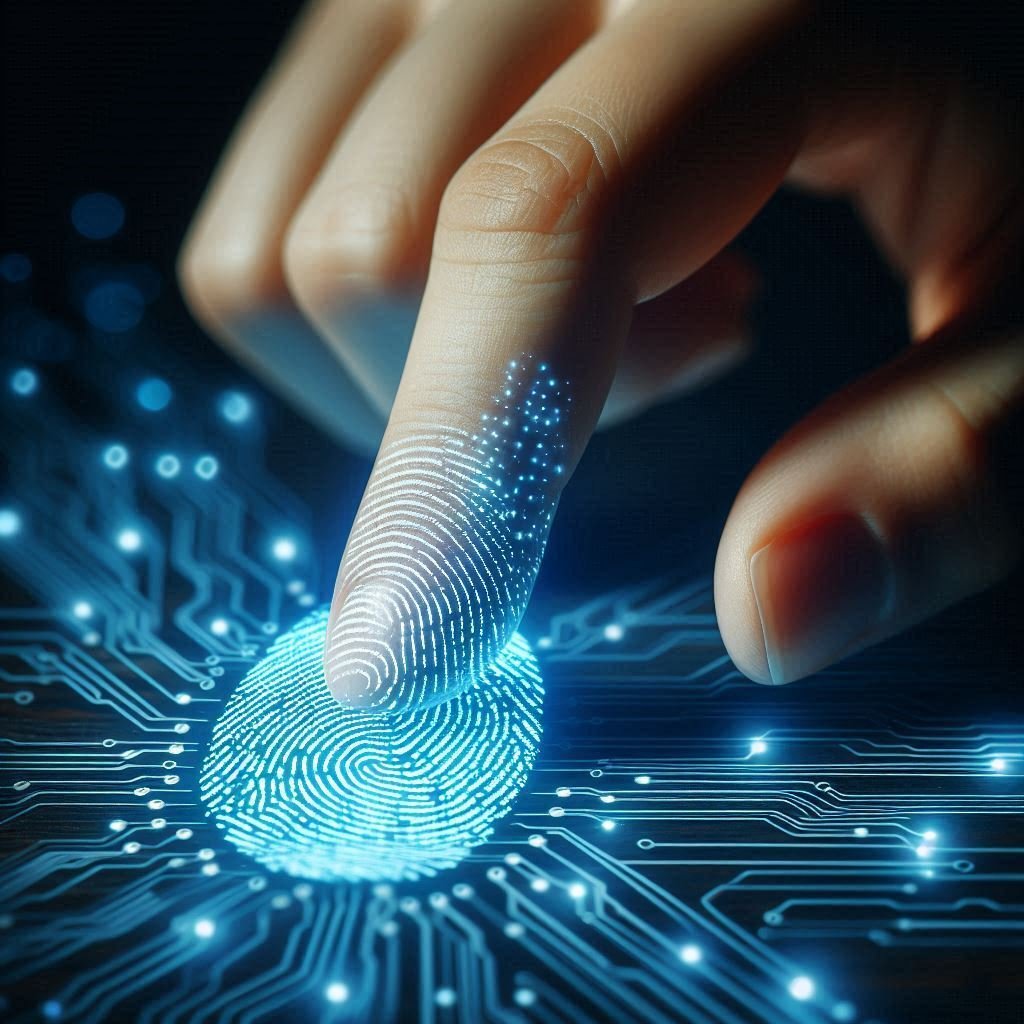
In today’s fast-paced digital world, organizations require instant, accurate, and secure methods to verify identities. This is where Digital fingerprinting has emerged as a game-changing solution. By leveraging biometric technology, it enables real-time background checks and seamless identity verification, replacing outdated manual processes with faster and more reliable systems.
From financial institutions and healthcare providers to government agencies and employers, the adoption of Digital fingerprinting is rapidly increasing. As identity fraud and cyber threats continue to rise globally, businesses are turning to biometric authentication to strengthen security while maintaining efficiency.
Why Digital Fingerprinting Is Transforming Identity Verification
The growing reliance on Digital fingerprinting is rooted in its ability to provide highly accurate and tamper-proof identity validation. Unlike traditional methods such as passwords or ID documents, fingerprints are unique and permanent, making them one of the most reliable biometric identifiers.
Biometric systems can now process identity matches against millions of records in seconds, enabling real-time verification at scale. This speed and precision are essential in industries where quick decision-making is critical, such as hiring, banking, and border control.
Moreover, digital fingerprint eliminates the risk of human error often associated with manual verification processes, ensuring greater consistency and trust in the results.
Real-Time Background Checks: A New Standard
1. Instant Identity Matching
Traditional background checks often rely on name-based searches, which can lead to false positives or missed records. In contrast, Digital fingerprinting uses biometric data to match individuals directly with official databases.
This ensures that the results are accurate and tied specifically to the individual being verified, significantly reducing the risk of identity fraud.
2. Faster Turnaround Times
One of the biggest advantages of digital systems is speed. Background checks that once took days or weeks can now be completed within hours—or even minutes.
Biometric verification systems enable rapid identity confirmation, allowing organizations to make informed decisions quickly without compromising security.
This efficiency is particularly valuable in sectors like recruitment, where delays can result in lost opportunities.
3. Continuous and Real-Time Monitoring
Modern biometric systems go beyond one-time verification. They can provide continuous authentication, ensuring that the same individual remains authorized throughout a session or process.
This real-time monitoring capability helps detect suspicious activities instantly, enhancing fraud prevention and system security.
Enhancing Security Through Digital Fingerprinting
Security is one of the primary reasons organizations are adopting Digital fingerprint. Unlike passwords, which can be stolen or guessed, biometric data is inherently tied to an individual and difficult to replicate.
Key Security Benefits:
Fraud Prevention: Fingerprints cannot be easily forged, reducing identity theft risks.
Data Protection: Eliminates reliance on vulnerable credentials like passwords.
Access Control: Ensures only authorized individuals can access sensitive systems.
Audit Trails: Provides a clear record of who accessed systems and when.
In fact, studies show that human error and weak credentials are responsible for a significant percentage of data breaches, highlighting the need for stronger authentication methods like biometrics.
Applications Across Industries
1. Employment and Hiring
Employers use Digital fingerprint to conduct accurate background checks, ensuring candidates meet compliance and security standards. This is especially important in industries like healthcare, finance, and education.
2. Banking and Financial Services
Financial institutions rely on biometric authentication to secure transactions and prevent fraud. Biometric systems are expected to secure trillions of dollars in transactions globally, reflecting their growing importance in the financial sector.
3. Healthcare Systems
Hospitals and clinics use fingerprint-based systems to protect patient data and ensure accurate identification. This reduces administrative errors and enhances patient safety.
4. Government and Law Enforcement
Government agencies use digital fingerprinting for criminal background checks, immigration processes, and national security measures. Its ability to deliver real-time results makes it indispensable in high-stakes environments.
5. Remote Work and Digital Access
With the rise of remote work, organizations need secure ways to verify employees accessing systems from different locations. It enables secure remote authentication, ensuring only authorized users gain access.
The Role of Advanced Technologies
The effectiveness of Digital fingerprint is further enhanced by emerging technologies such as artificial intelligence and machine learning.
AI-powered systems can analyze complex fingerprint patterns with greater precision, reducing false matches and improving overall accuracy.
Additionally, advancements in encryption technology ensure that biometric data is securely stored and protected against cyber threats, addressing one of the key concerns associated with biometric systems.
Improving User Experience and Efficiency
Beyond security, it also enhances user experience by simplifying the verification process. Users no longer need to remember multiple passwords or carry physical identification documents.
A simple fingerprint scan provides instant access, making the process both convenient and efficient.
For businesses, this translates into:
- Reduced onboarding time
- Higher customer satisfaction
- Increased operational efficiency
Challenges and Considerations
While digital fingerprinting offers numerous benefits, it is important to address potential challenges:
Privacy Concerns: Biometric data must be handled with strict security measures.
Data Breach Risks: Unauthorized access to biometric databases can have serious consequences.
Implementation Costs: Initial setup and integration can be expensive for some organizations.
To mitigate these risks, organizations must adopt strong encryption, comply with data protection regulations, and maintain transparency with users.
The Future of Digital Fingerprinting
The future of Digital fingerprinting lies in its integration with broader digital identity ecosystems. As biometric technology continues to evolve, we can expect:
- Mobile-based fingerprint verification
- Multi-factor biometric authentication systems
- Greater adoption across industries
- Enhanced real-time analytics and fraud detection
With biometric systems achieving extremely low false match rates and high processing speeds, the technology is becoming more reliable than ever.
Conclusion
The shift toward digital identity verification is redefining how organizations approach security and efficiency. By enabling accurate, fast, and secure authentication, Digital fingerprinting has become a cornerstone of real-time background checks and identity validation.
From reducing fraud and improving compliance to enhancing user experience, the benefits of this technology are undeniable. As industries continue to embrace digital transformation, Digital fingerprint will play an increasingly vital role in building trust, safeguarding data, and streamlining operations in the years ahead.

 Turkish