


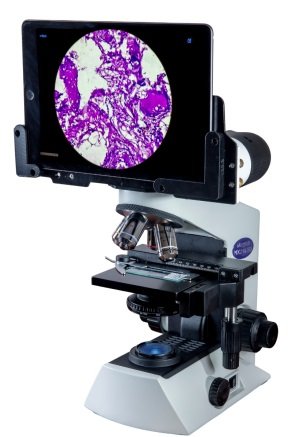
When we think about microscopes, we often associate them with laboratories and scientific research. However, the importance of microscopes extends far beyond labs and plays a significant role in our daily lives. From healthcare to food safety and environmental monitoring, microscopes help us understand and improve the world around us.
Although we may not directly use microscopes every day, their impact is present in many aspects of our lives, ensuring safety, quality, and innovation.
What is a Microscope?
A microscope is an optical instrument used to magnify small objects that cannot be seen with the naked eye. It allows scientists, doctors, and researchers to study tiny structures such as cells, bacteria, and particles.
This ability to observe the microscopic world has led to numerous discoveries and advancements in science and technology.
Role of Microscopes in Healthcare
Microscopes are essential in the healthcare industry:
Disease Diagnosis
Doctors use microscopes to examine blood samples, tissues, and microorganisms to detect diseases such as infections and cancer.
Pathology
Pathologists analyze biopsy samples under microscopes to identify abnormalities.
Medical Research
Microscopes help researchers study diseases and develop new treatments.
Microscopes in Food Safety
Microscopes play a vital role in ensuring the safety and quality of food:
-
Detecting harmful bacteria and contaminants
-
Analyzing food composition
-
Monitoring hygiene in food processing
This helps prevent foodborne illnesses and ensures public health.
Use in Environmental Studies
Microscopes are used to study environmental samples:
-
Analyzing water quality
-
Studying soil composition
-
Monitoring pollution levels
They help scientists understand environmental changes and develop solutions.
Microscopes in Education
In schools and colleges, microscopes are used to teach students about biology and science. They allow students to explore the microscopic world and gain practical knowledge.
This hands-on learning experience is essential for developing scientific curiosity and understanding.
Industrial Applications of Microscopes
Microscopes are widely used in industries:
Quality Control
Used to inspect products and detect defects.
Electronics Manufacturing
Helps in examining small components and circuits.
Textile Industry
Used to analyze fibers and materials.
Benefits of Microscopes in Daily Life
-
Improve healthcare outcomes
-
Ensure food safety
-
Support environmental protection
-
Enhance education and learning
-
Enable industrial quality control
These benefits highlight the importance of microscopes in everyday life.
Future Impact of Microscopes
With technological advancements, microscopes are becoming more advanced and accessible:
-
Digital microscopes for easy analysis
-
Portable microscopes for field use
-
AI integration for faster results
These innovations will further increase their role in daily life.
Conclusion
Microscopes may seem like specialized tools, but their impact is deeply integrated into our daily lives. From diagnosing diseases to ensuring food safety and supporting education, they play a crucial role in improving quality of life.
As technology continues to evolve, the importance of microscopes will only grow, making them an essential part of modern society.
FAQs on Microscope in Daily Life
1. How are microscopes used in daily life?
They are used in healthcare, food safety, environmental studies, and industry.
2. Why are microscopes important in healthcare?
They help diagnose diseases by analyzing biological samples.
3. Can microscopes be used in industries?
Yes, they are used for inspection and quality control.
4. How do microscopes help in food safety?
They detect bacteria and contaminants in food products.
5. Are microscopes important for students?
Yes, they help students understand scientific concepts practically.

 English