


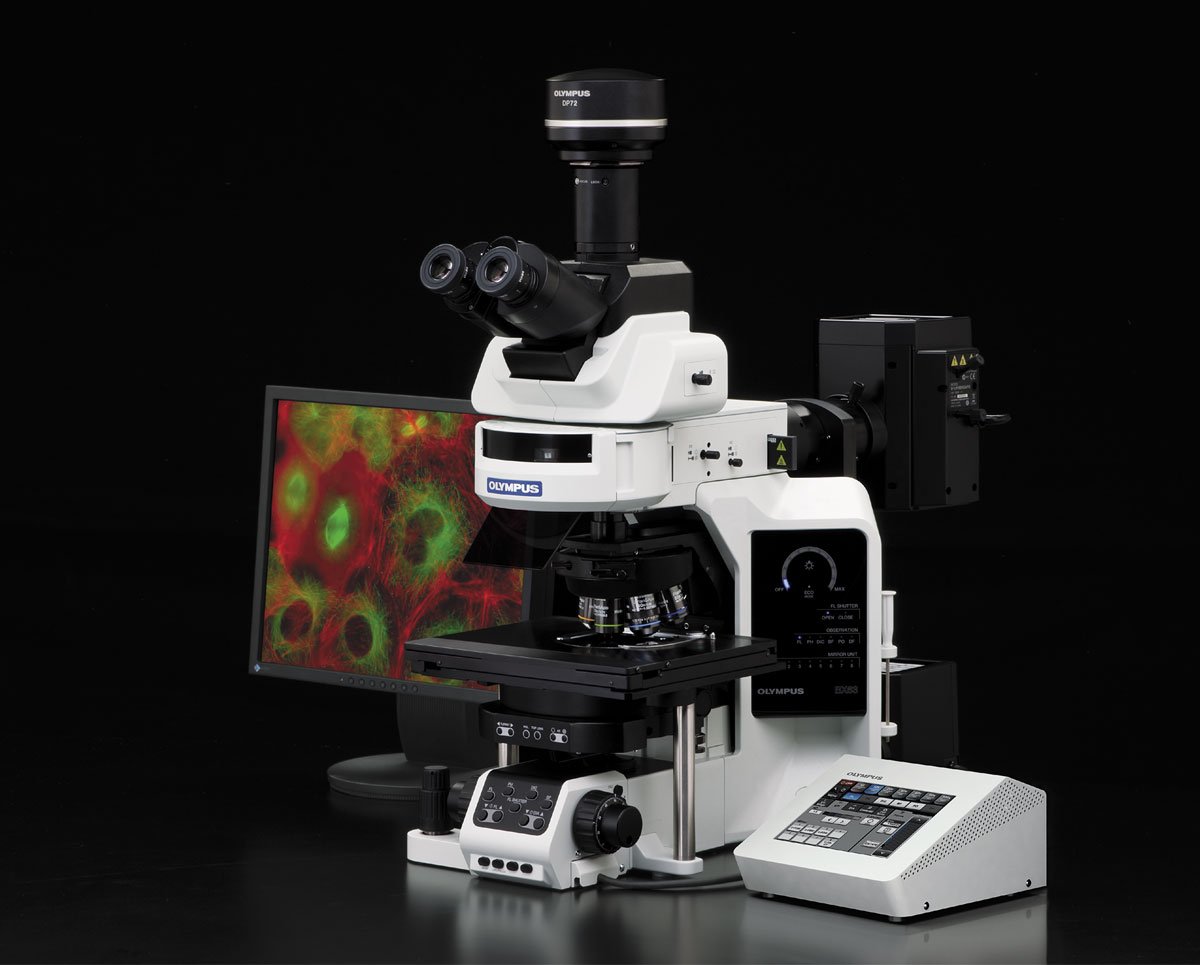
In the world of science and healthcare, the laboratory microscope stands as one of the most essential instruments for discovery and analysis. From identifying microscopic organisms to diagnosing diseases, microscopes play a vital role in advancing knowledge and improving outcomes across industries.
With rapid technological advancements, laboratory microscopes have evolved from simple optical devices into highly sophisticated instruments that offer enhanced clarity, precision, and digital capabilities. Today, they are indispensable in laboratories, hospitals, research institutions, and educational settings.
What is a Laboratory Microscope?
A laboratory microscope is a scientific instrument used to magnify objects that are too small to be seen with the naked eye. By using lenses and light, it produces enlarged images of specimens such as cells, bacteria, tissues, and other microscopic structures.
Modern microscopes are designed to deliver high-resolution images, making them essential for detailed analysis and accurate observations.
Types of Laboratory Microscopes
Different types of microscopes are used depending on the application and level of detail required:
1. Compound Microscopes
Compound microscopes are the most widely used type in laboratories. They provide high magnification and are ideal for studying biological samples such as cells and microorganisms.
2. Digital Microscopes
Digital microscopes allow users to view specimens on a screen, capture images, and record videos. These are especially useful for research documentation and presentations.
3. Stereo Microscopes
Stereo microscopes provide a three-dimensional view of objects, making them suitable for dissection, inspection, and industrial applications.
4. Pathology Microscopes
These microscopes are specifically designed for medical diagnostics and are used to examine tissues and detect diseases.
Applications of Laboratory Microscopes
Laboratory microscopes are used across various sectors due to their versatility:
Healthcare and Diagnostics
Microscopes are widely used in pathology and clinical laboratories to diagnose diseases by examining blood samples, tissues, and microorganisms.
Scientific Research
Researchers rely on microscopes to study biological processes, conduct experiments, and develop new technologies in fields such as biotechnology and life sciences.
Education
In schools and colleges, microscopes help students understand the microscopic world and gain practical knowledge.
Industrial Use
Industries use microscopes for quality control, material testing, and inspection processes.
Key Features of Modern Laboratory Microscopes
Today’s laboratory microscopes are equipped with advanced features that enhance their performance:
-
High Magnification: Enables detailed observation of tiny structures
-
Superior Optics: Provides clear and accurate images
-
LED Illumination: Ensures proper lighting for better visibility
-
Ergonomic Design: Offers comfort during extended usage
-
Digital Integration: Allows image capture and data sharing
These features make modern microscopes more efficient and user-friendly.
Importance of Laboratory Microscopes in Diagnostics
In the healthcare sector, microscopes play a crucial role in diagnosing diseases. They help medical professionals identify abnormalities in cells and tissues, enabling early detection and treatment.
Accurate diagnosis is essential for effective treatment planning, and laboratory microscopes provide the precision needed for reliable results.
How to Choose the Right Laboratory Microscope
Selecting the right microscope depends on your specific needs:
-
Purpose: Determine whether it is for education, research, or diagnostics
-
Magnification: Choose based on the level of detail required
-
Optical Quality: Ensure clarity and precision
-
Budget: Balance cost with essential features
-
Ease of Use: Look for user-friendly designs
Making the right choice ensures better performance and long-term value.
Future Trends in Laboratory Microscopy
The field of microscopy is continuously evolving with new innovations:
-
Artificial Intelligence Integration: Enhances image analysis and accuracy
-
Digital Microscopy: Enables remote viewing and collaboration
-
Automation: Improves efficiency and reduces manual effort
-
Advanced Imaging Techniques: Provide deeper insights into microscopic structures
These advancements are transforming how laboratories operate and improving overall productivity.
Conclusion
The laboratory microscope is a cornerstone of scientific and medical progress. Its ability to reveal the unseen has revolutionized research, diagnostics, and education. As technology continues to advance, microscopes are becoming more powerful, efficient, and accessible.
Whether you are a student, researcher, or healthcare professional, investing in a high-quality laboratory microscope is essential for achieving accurate and reliable results.
FAQs
1. What is a laboratory microscope used for?
It is used to magnify and study microscopic objects such as cells, bacteria, and tissues.
2. Which microscope is best for laboratory use?
Compound microscopes are commonly used, while digital microscopes are ideal for advanced applications.
3. Can microscopes be used in medical diagnostics?
Yes, they are essential in pathology labs for diagnosing diseases.
4. What is the difference between compound and stereo microscopes?
Compound microscopes offer higher magnification, while stereo microscopes provide a 3D view.
5. Are digital microscopes better than traditional ones?
Digital microscopes offer added features like image capture and sharing, making them more versatile.

 English